
Every Soviet watch story begins, one way or another, at the First Moscow Watch Factory — the plant that taught the USSR to make wristwatches, put a watch on Gagarin’s wrist, and timed the first human steps into open space. Its most famous name: Poljot, “flight.”
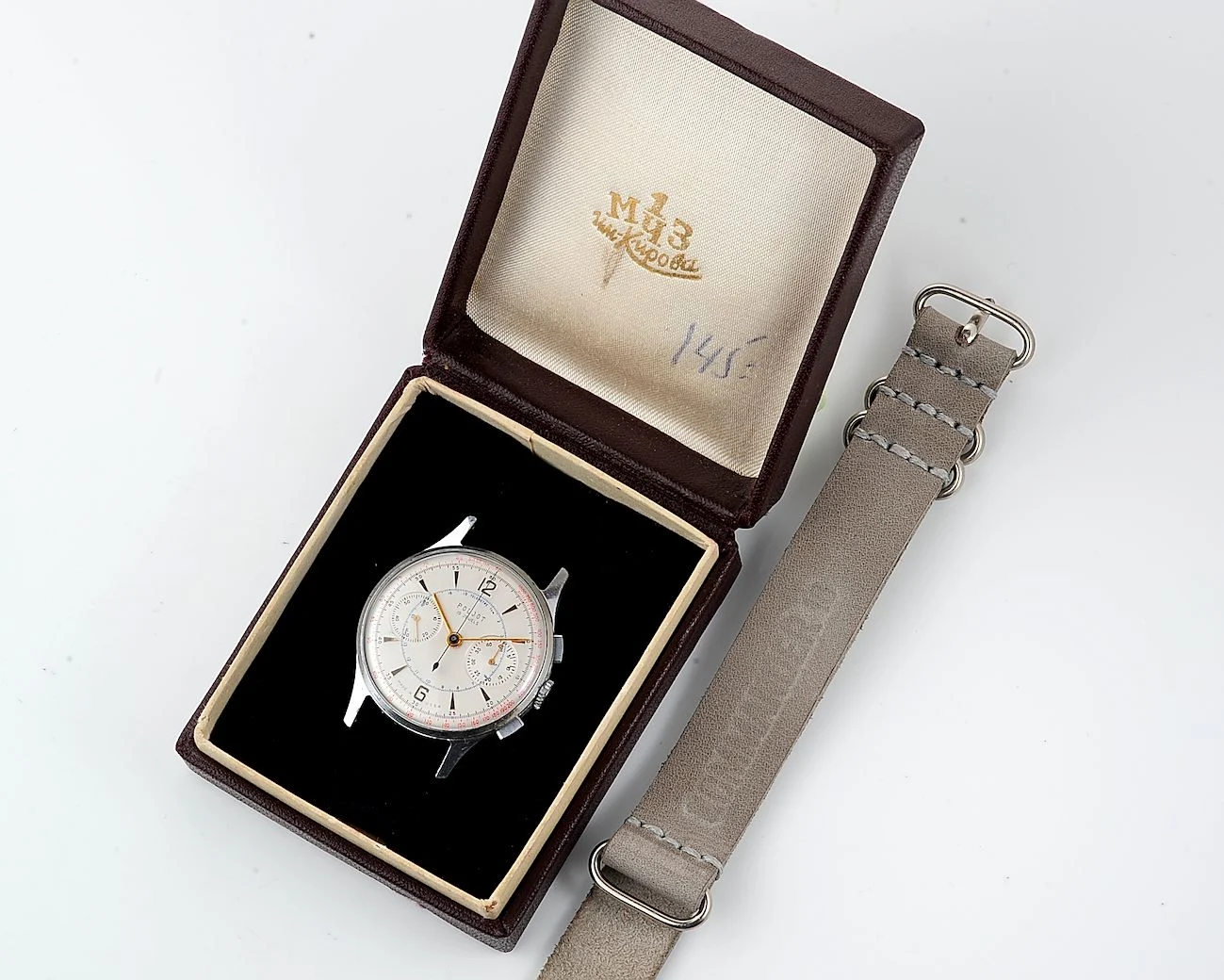
An American factory takes the train to Moscow
The Soviet Union of the late 1920s needed watches — for railways, the army, industry — and had no watch industry. The solution was blunt and effective: in 1929 the Soviets bought the bankrupt Dueber-Hampden watch company of Canton, Ohio, machines, parts, and all, shipped it across the ocean, and hired some of its watchmakers to train Soviet workers. In 1930 the First Moscow Watch Factory opened, and the USSR started making wristwatches on former American tooling.
Early production included the Type-1 pocket and wrist watches, and from 1935 the factory’s watches honored Sergei Kirov (“Kirovskie“). After the war came new calibres and new names — and in 1964 the factory adopted the brand that stuck: Poljot.
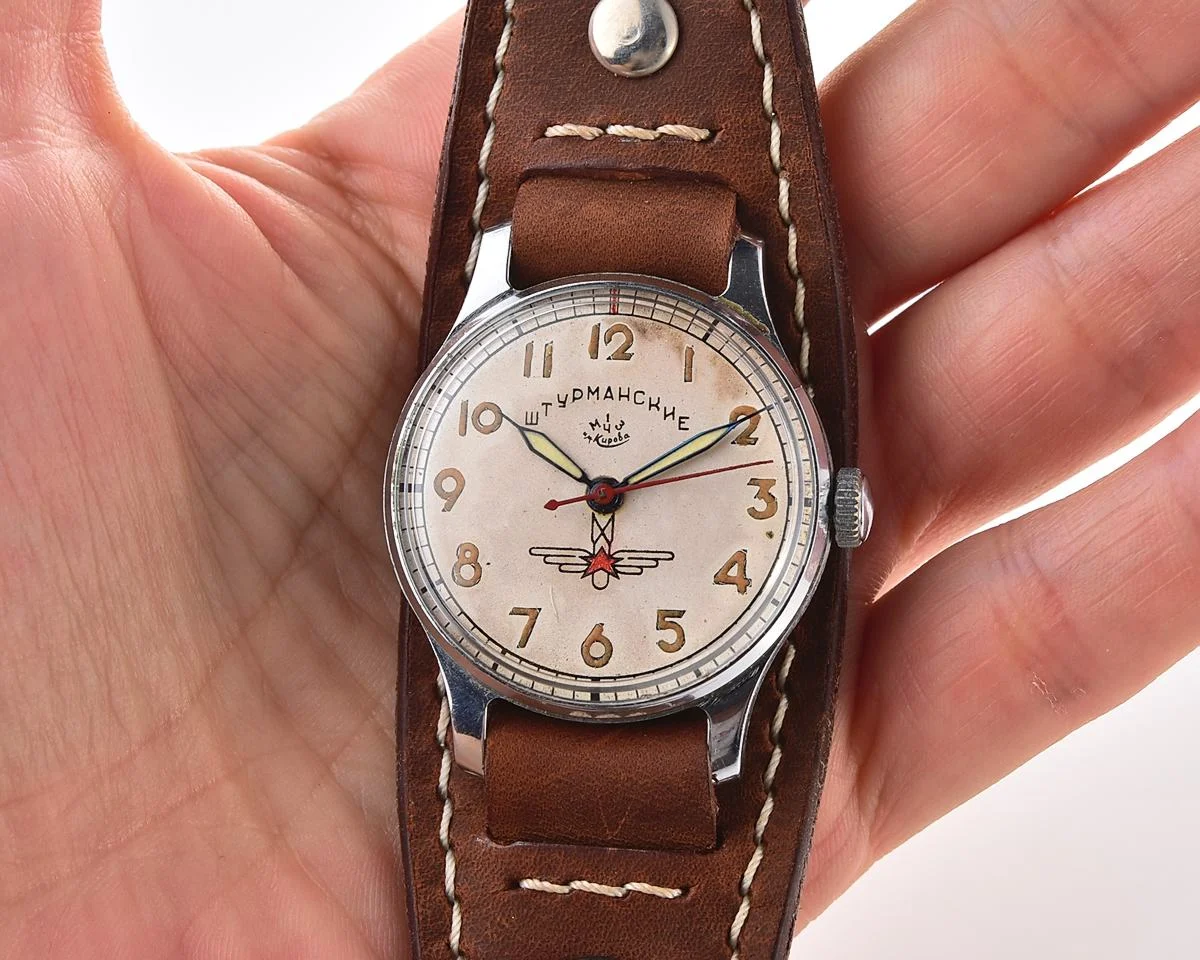
April 12, 1961: a Sturmanskie in orbit
When Yuri Gagarin became the first human in space, he wore a Sturmanskie (“navigator’s watch”) made by the First Moscow Watch Factory — a clean, hacking military-issue watch given to air force pilots. It worked in orbit exactly as it worked on Earth, which is the most Soviet possible form of heroism: showing up and functioning.
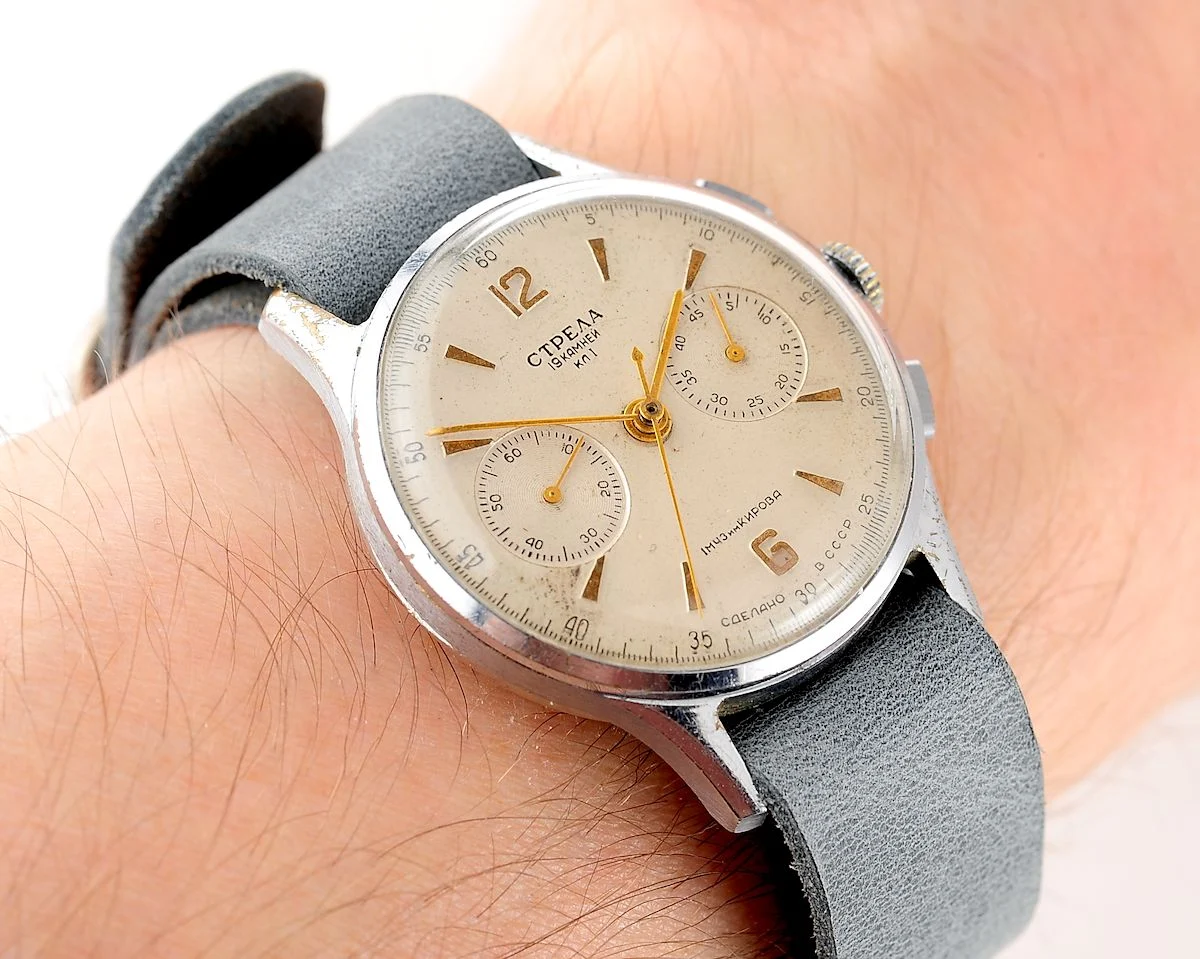
Four years later, when Alexei Leonov made humanity’s first spacewalk in 1965, the factory was there again — the Strela chronograph (calibre 3017) was strapped over his suit in the vacuum. Two of the biggest moments in the history of exploration, timed from Moscow. We keep a soft spot for this chapter — see the space-themed collection.
The chronograph factory
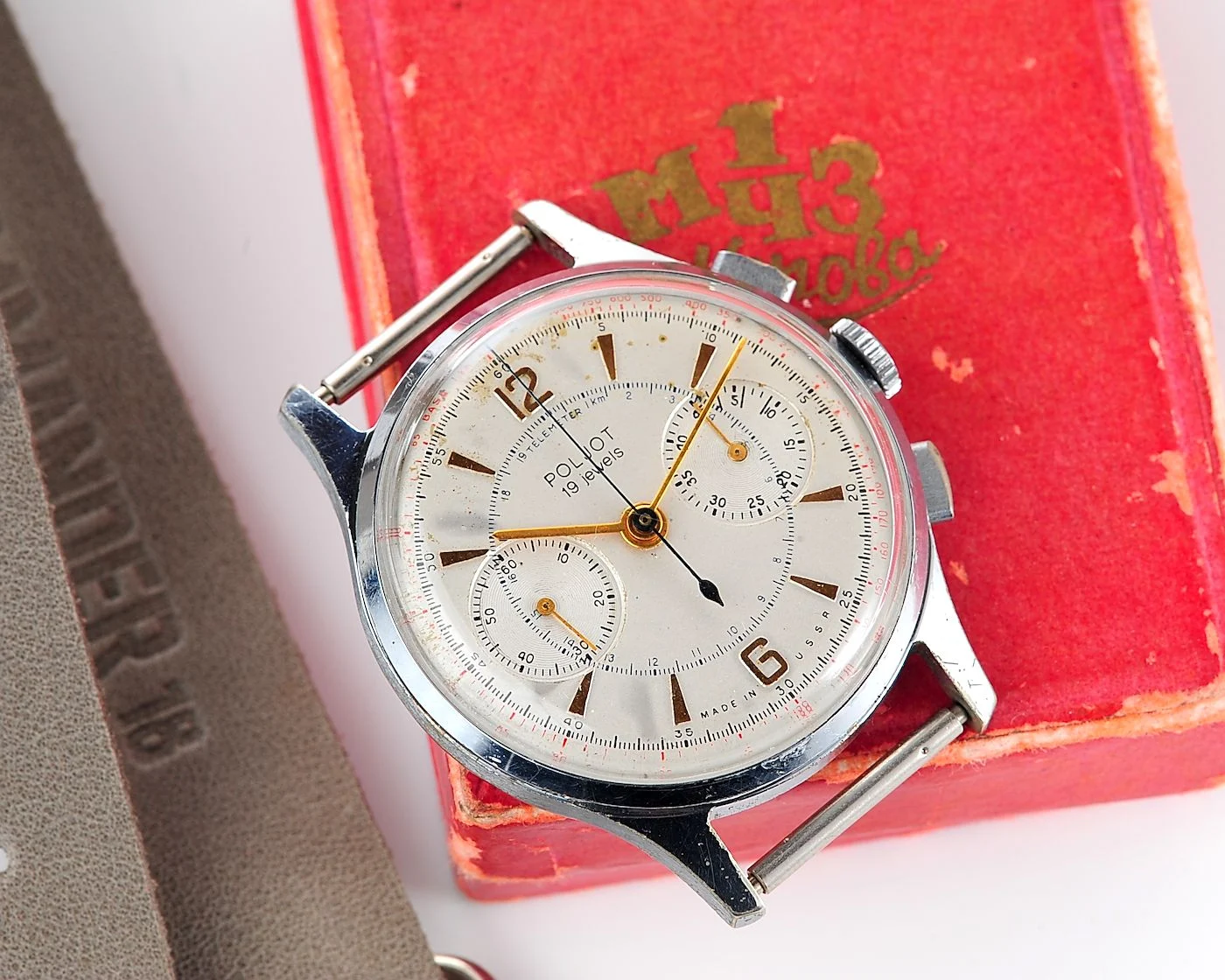
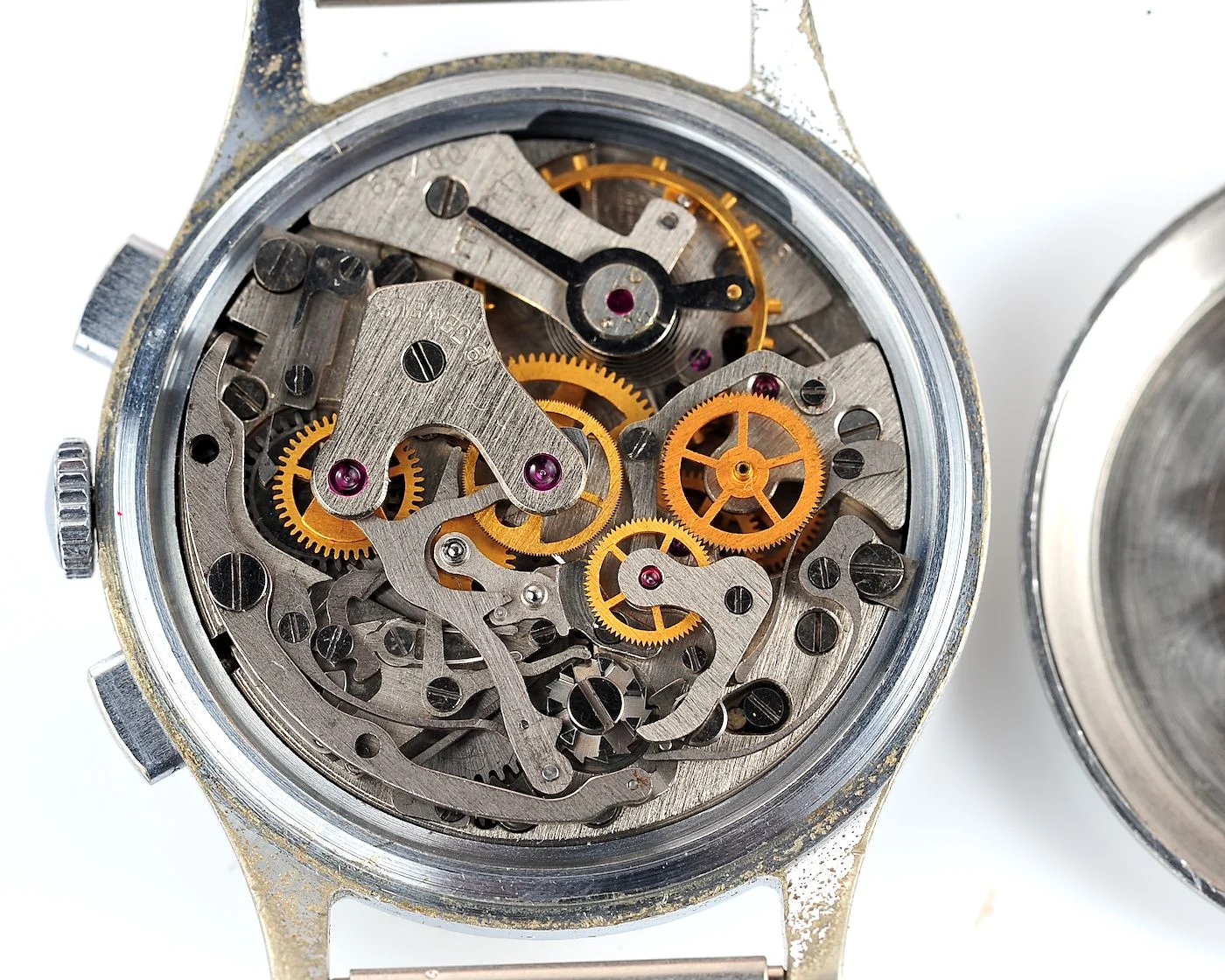
Poljot became the USSR’s chronograph specialist. In the 1970s the factory acquired tooling based on the Swiss Valjoux 7734 and developed it into the Poljot 3133 — the great Soviet chronograph calibre, used by military pilots and cosmonauts and produced for decades. A 3133 on the wrist is the closest thing Soviet watchmaking has to a flagship complication.
What to collect
- Sturmanskie-lineage and pilot’s models — the space and aviation heritage in its purest form.
- 3133 chronographs — mechanical theater, Soviet edition.
- Dress Poljots and alarm watches — the factory’s civilian side, including the elegant “de luxe” ultra-thin models of the 1960s.
FAQ
What does “Poljot” mean?
“Flight” — adopted in 1964, honoring the factory’s aviation and cosmonautics heritage.
Did Gagarin really wear a Soviet watch in space?
Yes — a Sturmanskie from the First Moscow Watch Factory, issued to him as a military pilot. It’s one of the best-documented facts in Soviet horology.
Is the Poljot 3133 a copy of a Swiss movement?
It began from purchased Valjoux 7734 tooling, but Soviet engineers modified and developed it into their own calibre — higher beat rate among the changes — and manufactured it independently for decades.
Browse serviced vintage Poljot watches — from pilot’s models to chronographs.