Description
SEIKO vintage quartz watch
MADE IN JAPAN
“Seiko” (精工) is a Japanese word meaning “precision,” “exquisite workmanship,” or “refined craftsmanship.”
It comes from the characters:
- 精 (sei) – fine, precise, refined
- 工 (ko) – craft, workmanship
Originally, Seiko’s watchmaking division was called Seikosha (精工舎), meaning “House of Precision.”
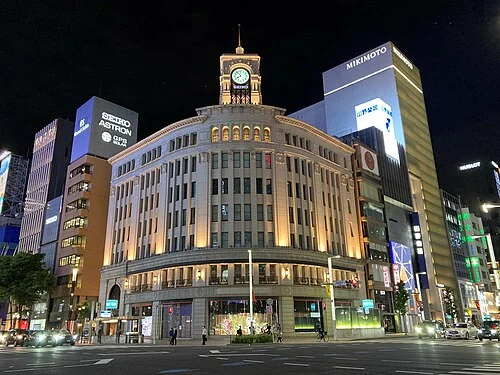
The name first appeared on a watch dial in 1924, shortened from Seikosha and keeping the core meaning; the company itself was renamed Hattori Seiko in 1983 and Seiko Corporation in 1990.
So the brand name literally ties directly to the idea of precision engineering—which is exactly what the company wanted to be known for in its watches.
About the SilverWave Line
The Seiko SilverWave was Seiko’s line of water-resistant sports watches, first introduced in the early 1960s and still in the catalogue through the 1970s and into the 1980s. The name captured the whole idea in two words — a bright, polished steel case (“Silver”) engineered to keep water out (“Wave”). It was the Seiko you never had to take off: at the poolside, caught in the rain, or simply worn day in and day out.
Where the Sportsmatic and later Seiko 5 lines chased the affordable everyday automatic, the SilverWave staked out the water-resistant corner of the catalogue. Its cases were sealed with gaskets and stamped “WATER RESISTANT” on the reverse, and the sportier references in the family were built as genuine divers. It was the accessible, water-ready Seiko for the buyer who wanted a single watch for work, weekend and water alike.
By the early 1980s the line had crossed into the electronic era, and the SilverWave name was applied to the “ana-digi” — a watch carrying a real analog dial and a liquid-crystal display side by side on the same face. The caliber H449, introduced in 1982, ran a conventional three-hand analog dial for the time at a glance, while the LCD strip below it handled the digital time, the full calendar, two independent alarms with an hourly chime, and a stopwatch. The two halves run independently of one another, so the digital side can simply be left set to a second time zone.
About This Watch
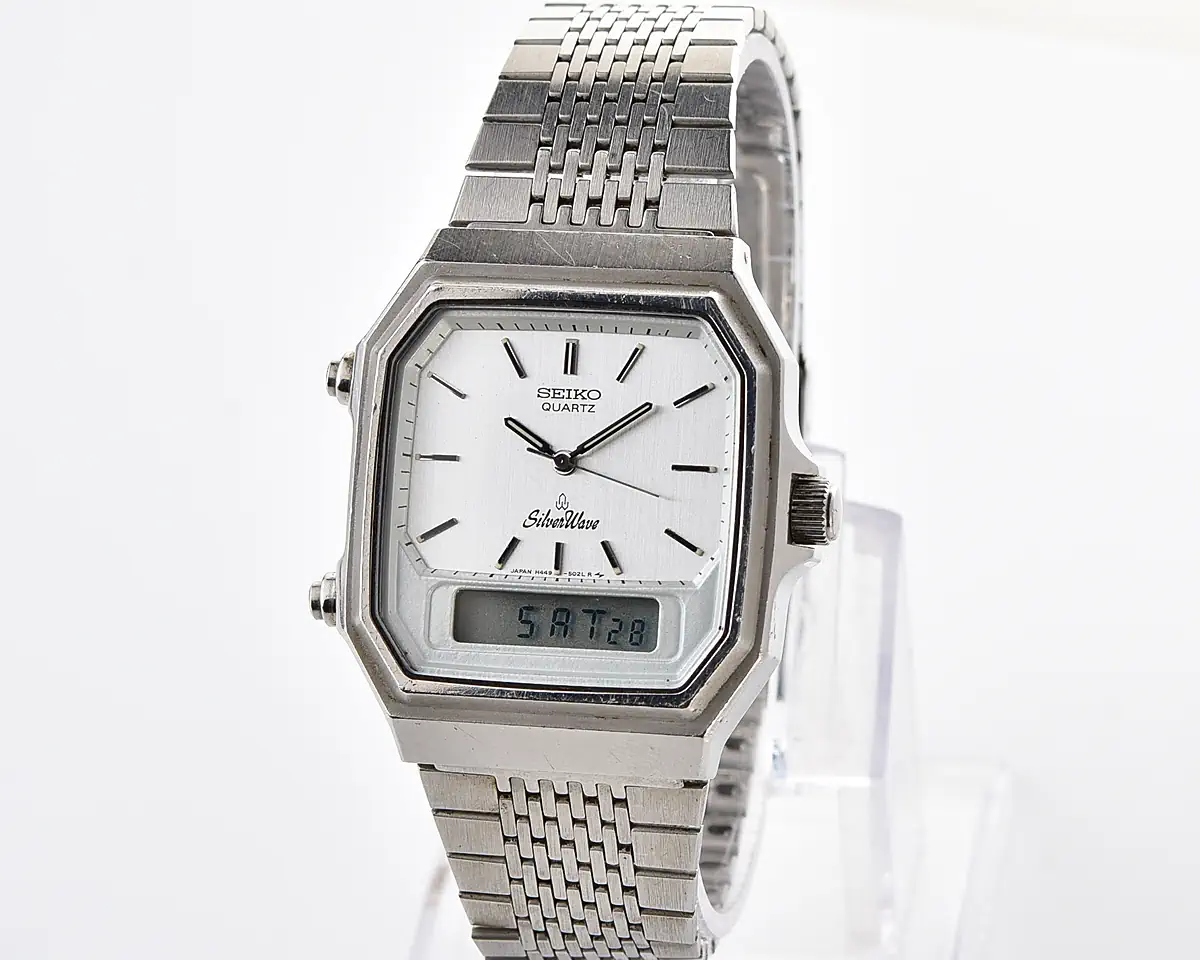
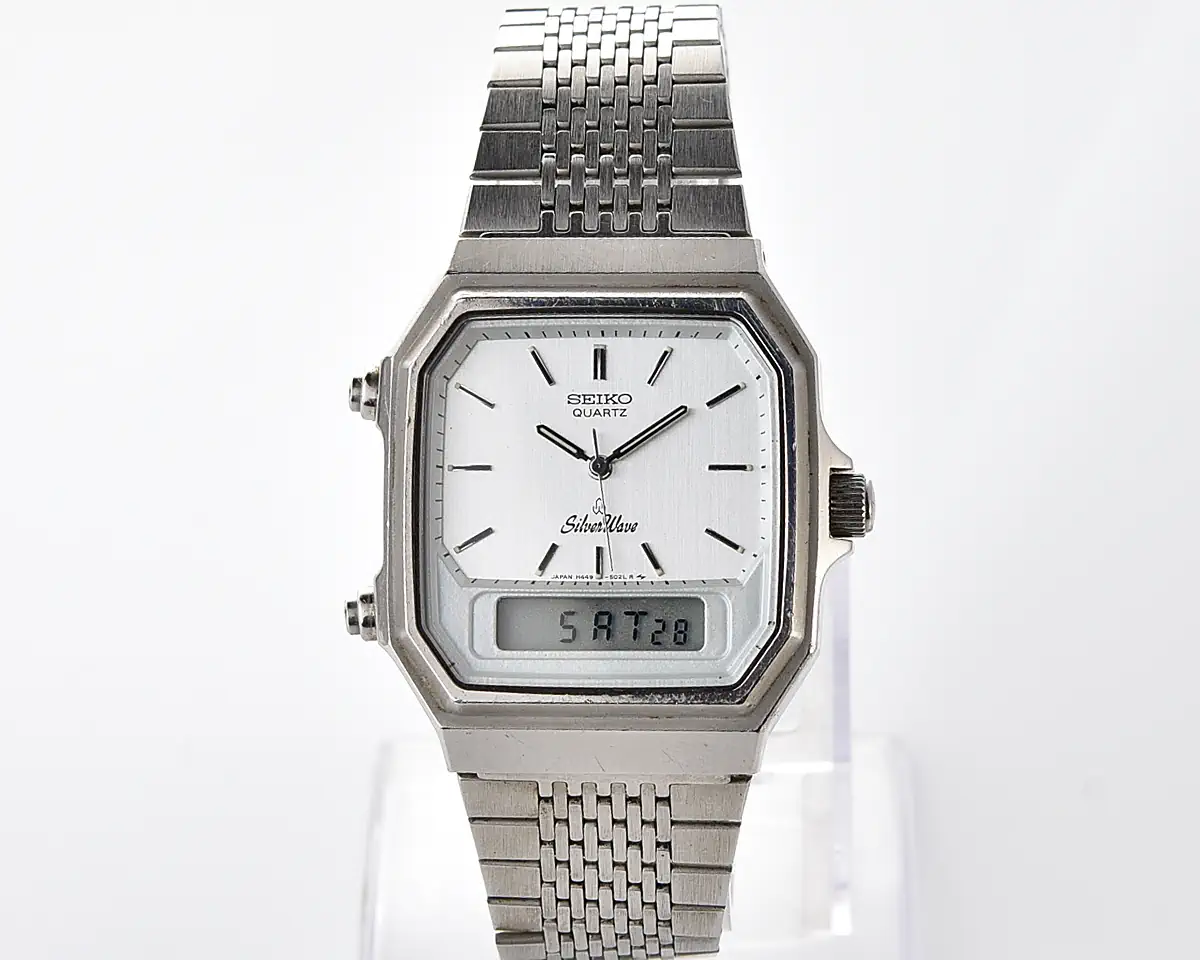
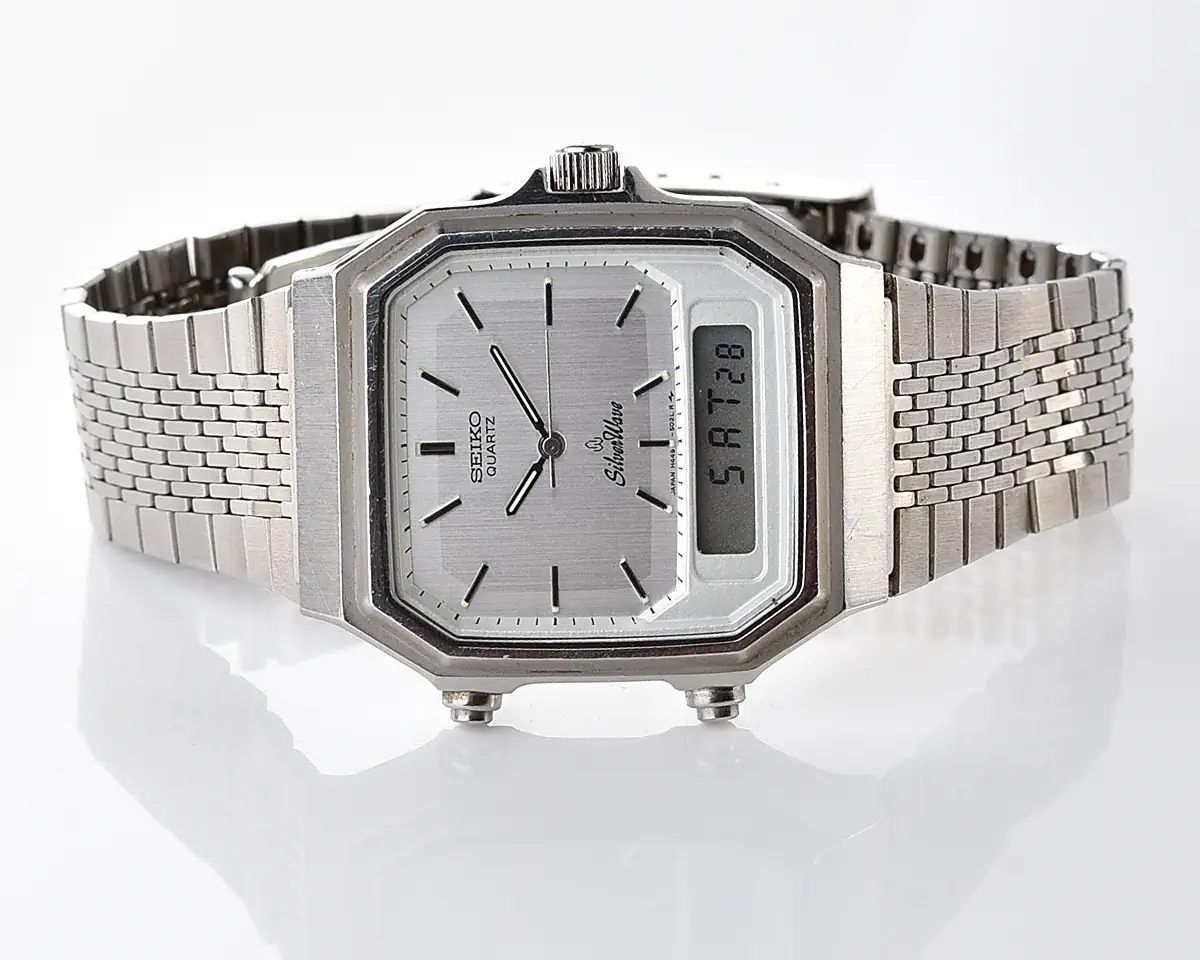
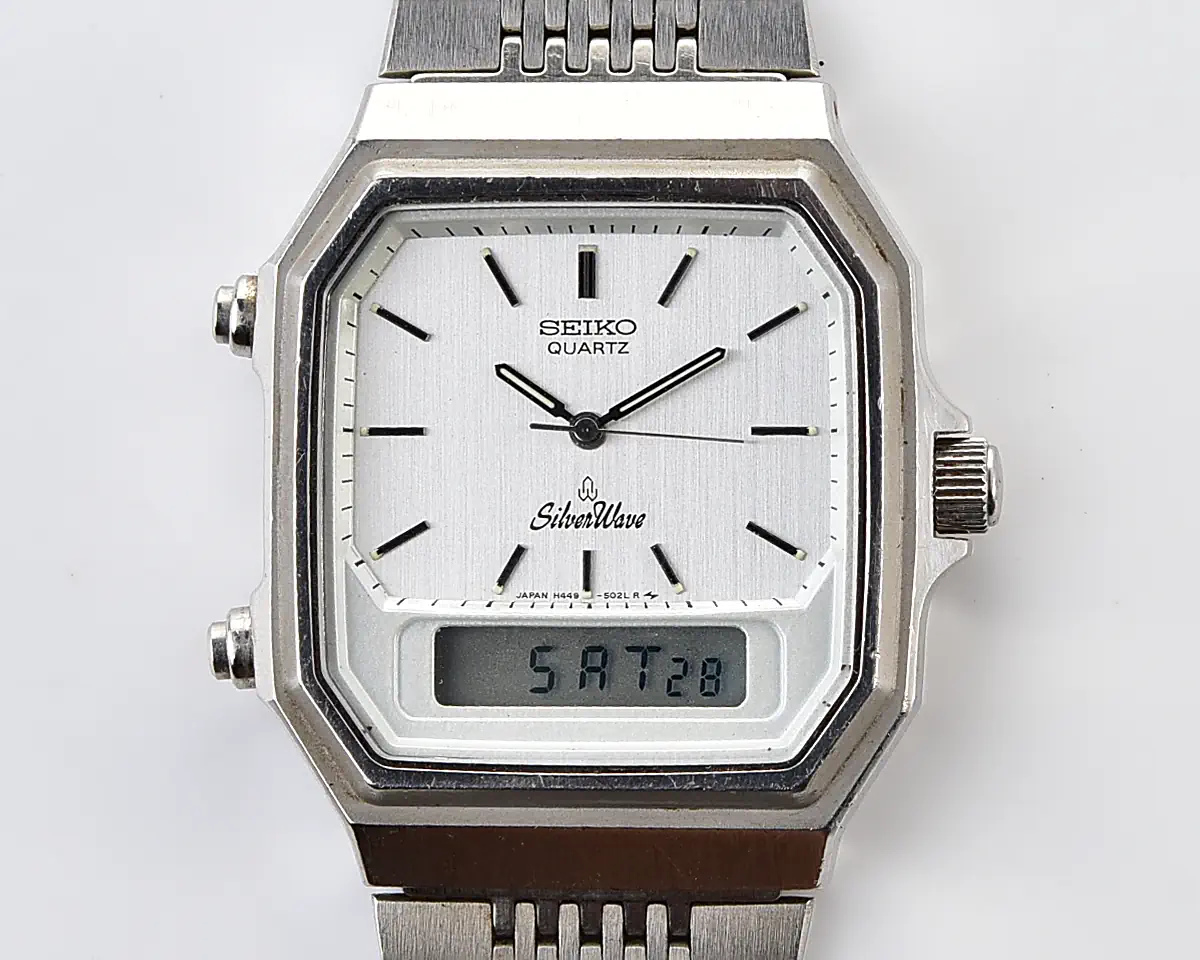
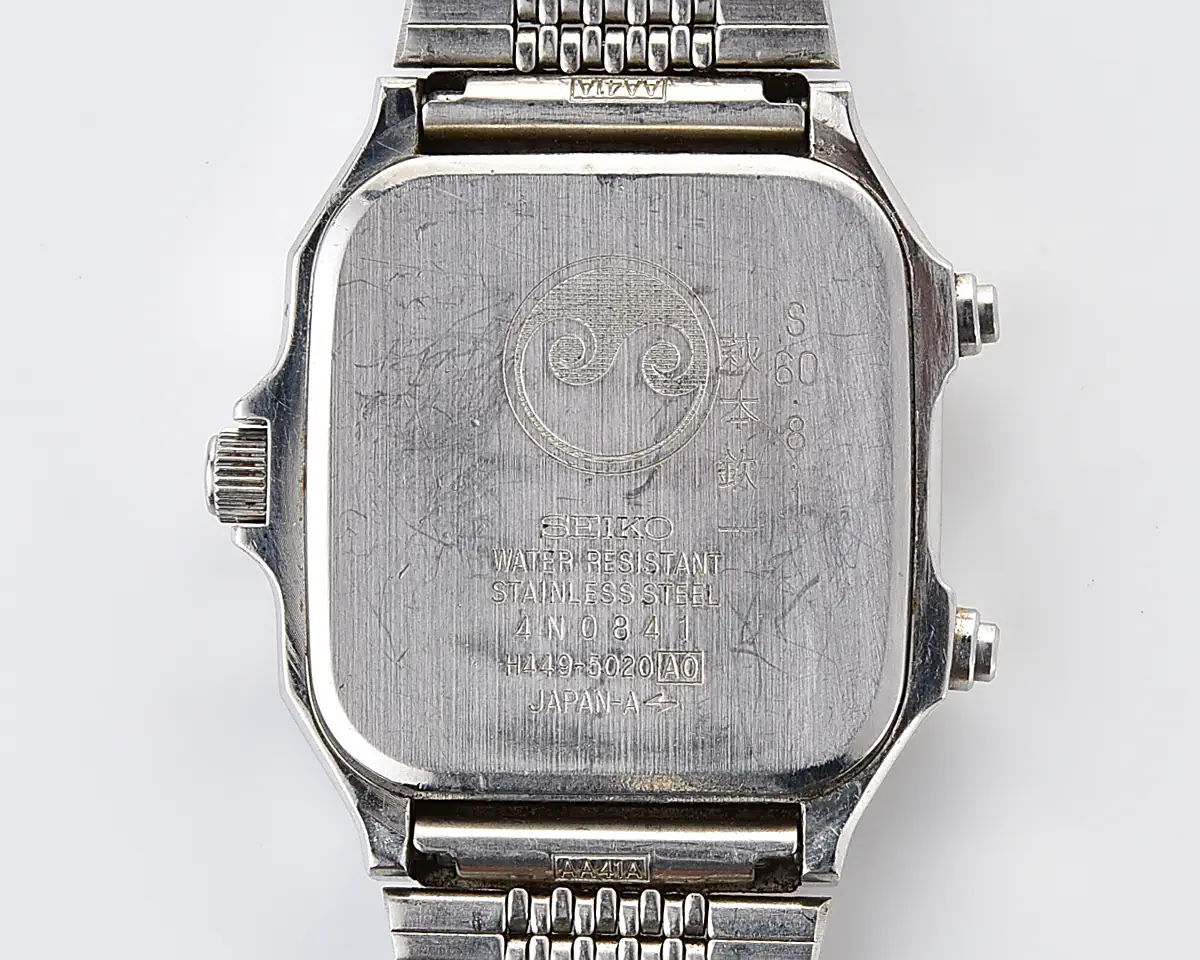
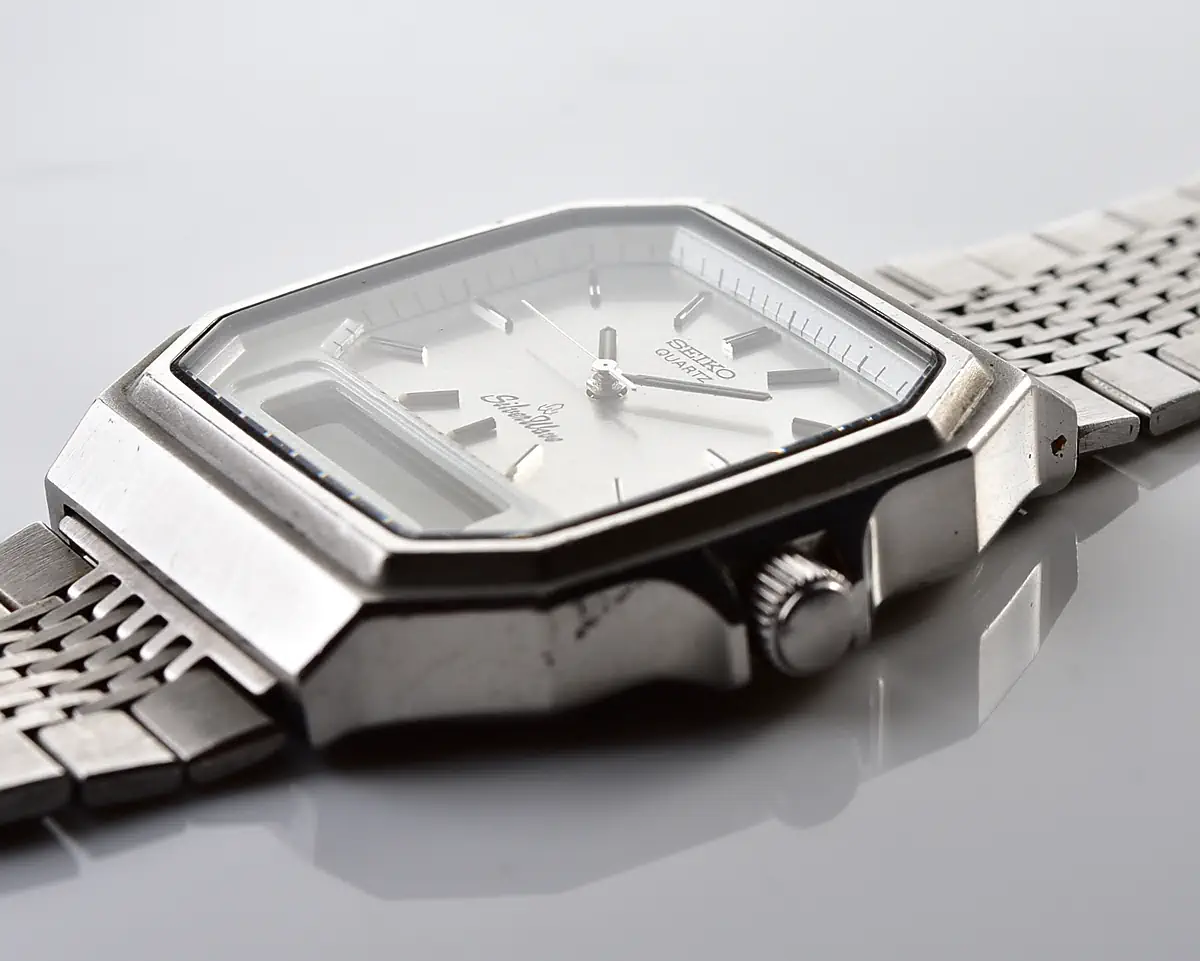
This is the Seiko SilverWave ana-digi, reference H449-5020 — a Japanese-domestic-market model from Seiko’s H-series duo-display family. The case-back serial, 4N0841, dates it to November 1984. The dial code reads JAPAN H449-502L R with the Daini Seikosha lightning-bolt mark alongside it; that dial code is shared across several H449 references, so the case-back number is the one that identifies this watch.
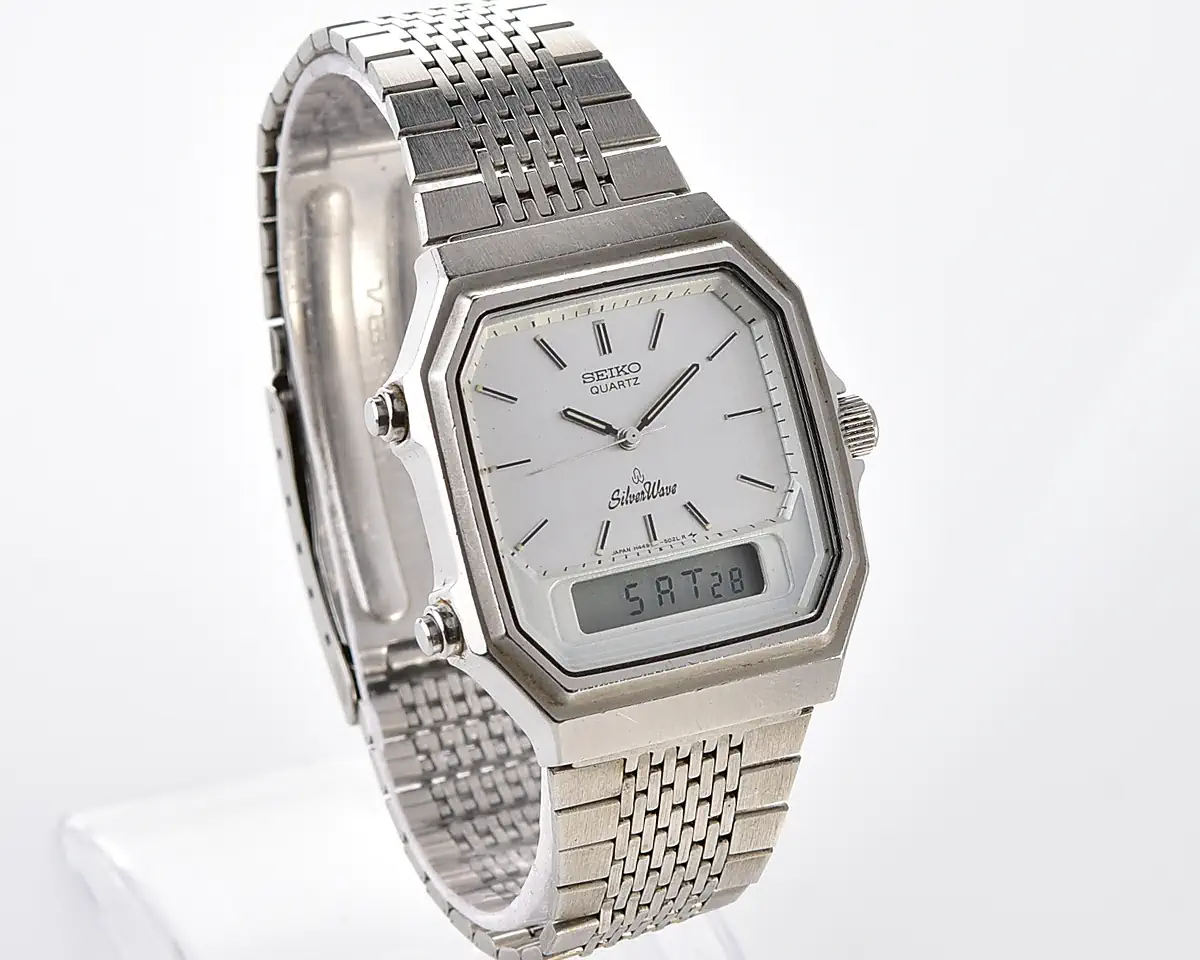
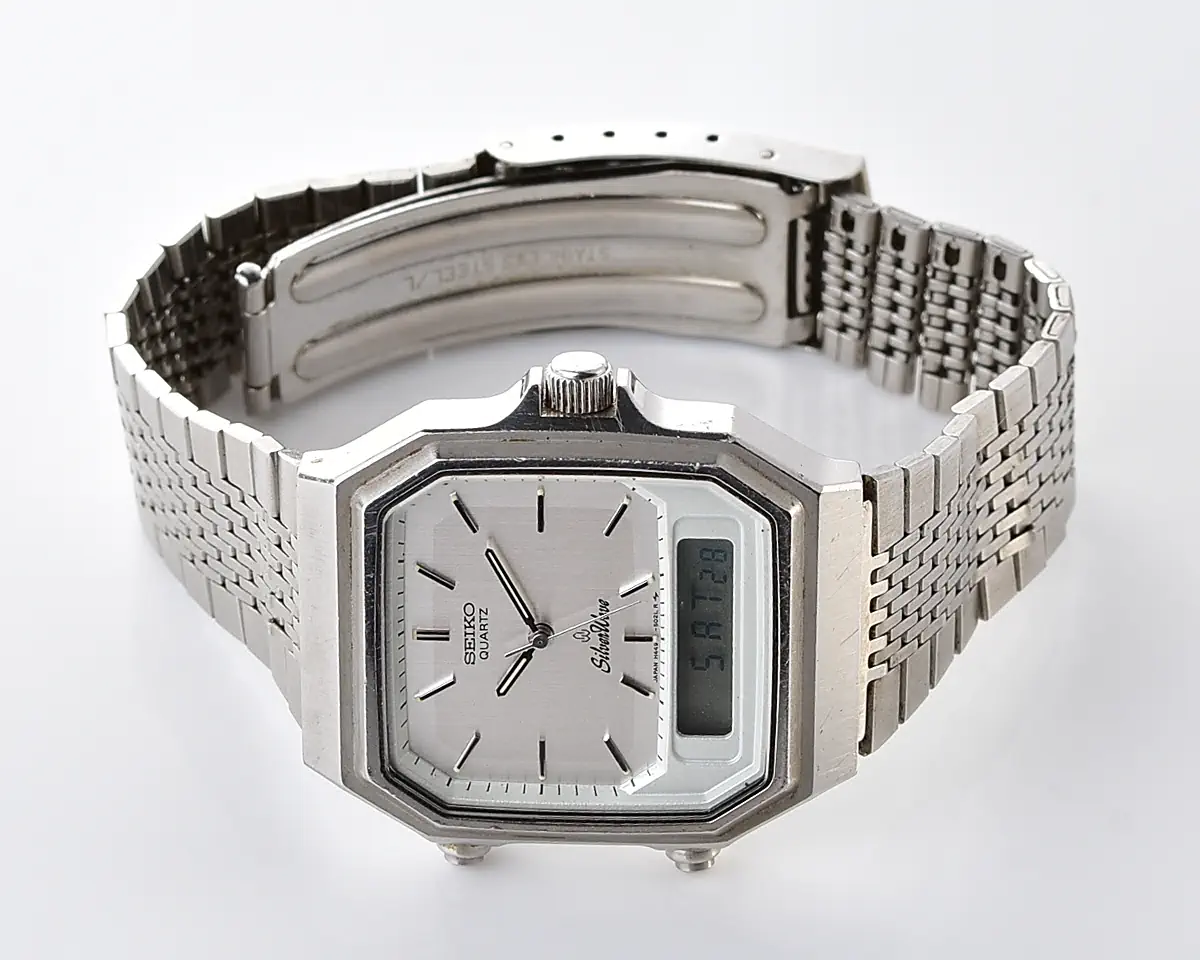
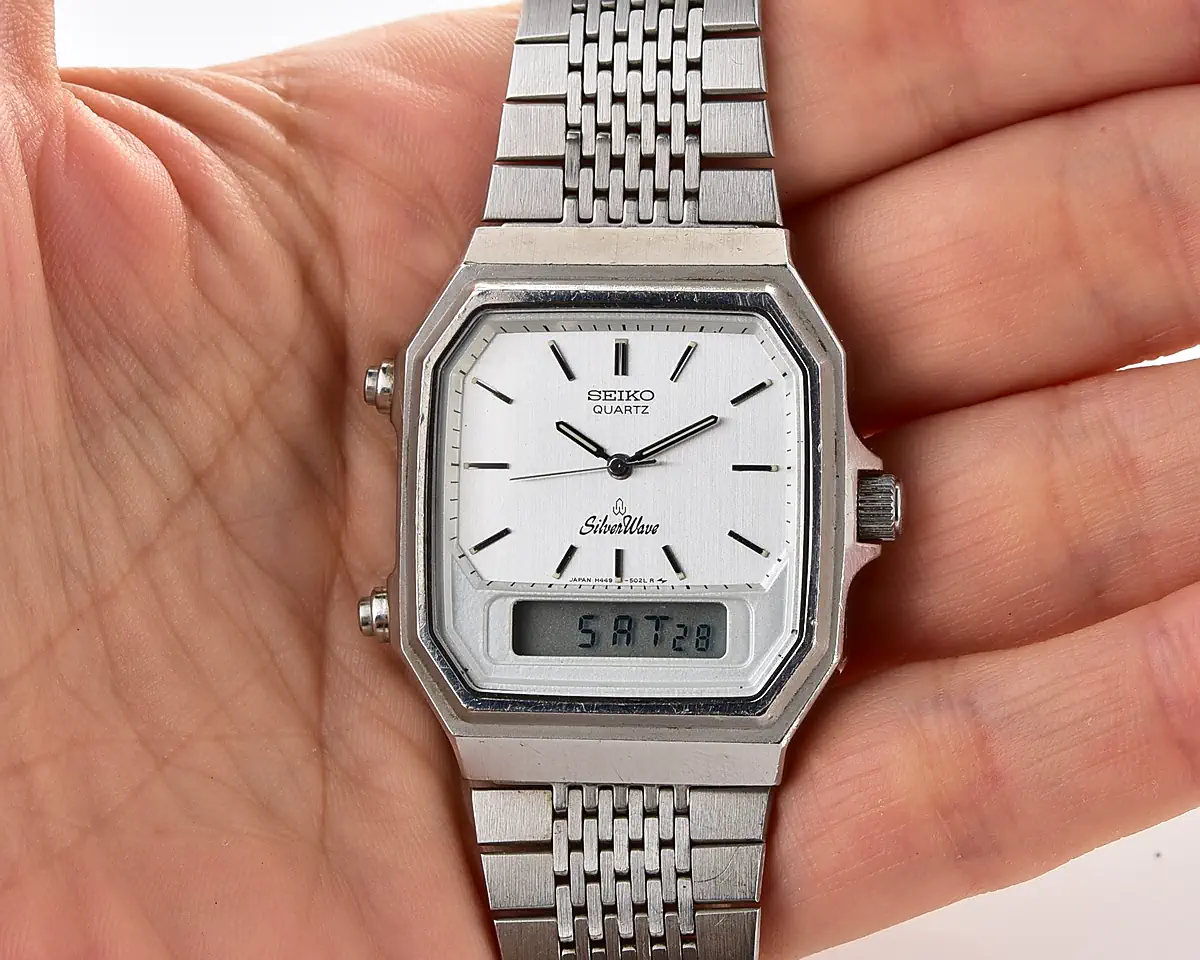
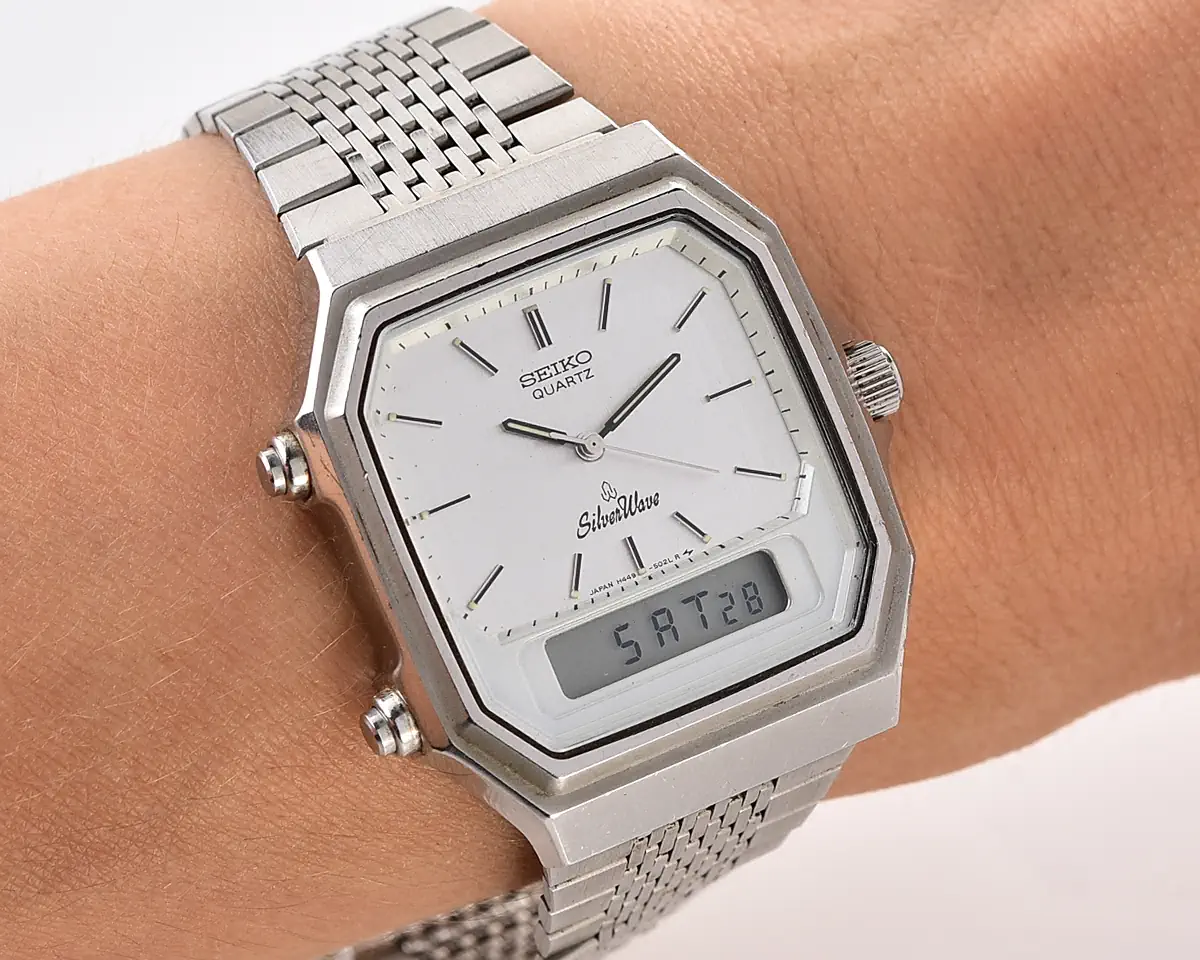
The face is the whole point. A silver-white dial with a fine vertical brushed finish carries the analog time across the upper two-thirds — applied polished baton markers with small luminous plots at their outer tips, a printed minute track, SEIKO QUARTZ under the 12 and the cursive SilverWave script with its wave emblem above the 6. A liquid-crystal panel sits flush in the lower third, here showing the day and the date. Two pushers on the left flank of the case work the digital functions and the backlight; the fluted crown on the right sets the analog hands. The stainless steel case is a squared octagon with heavily bevelled corners.
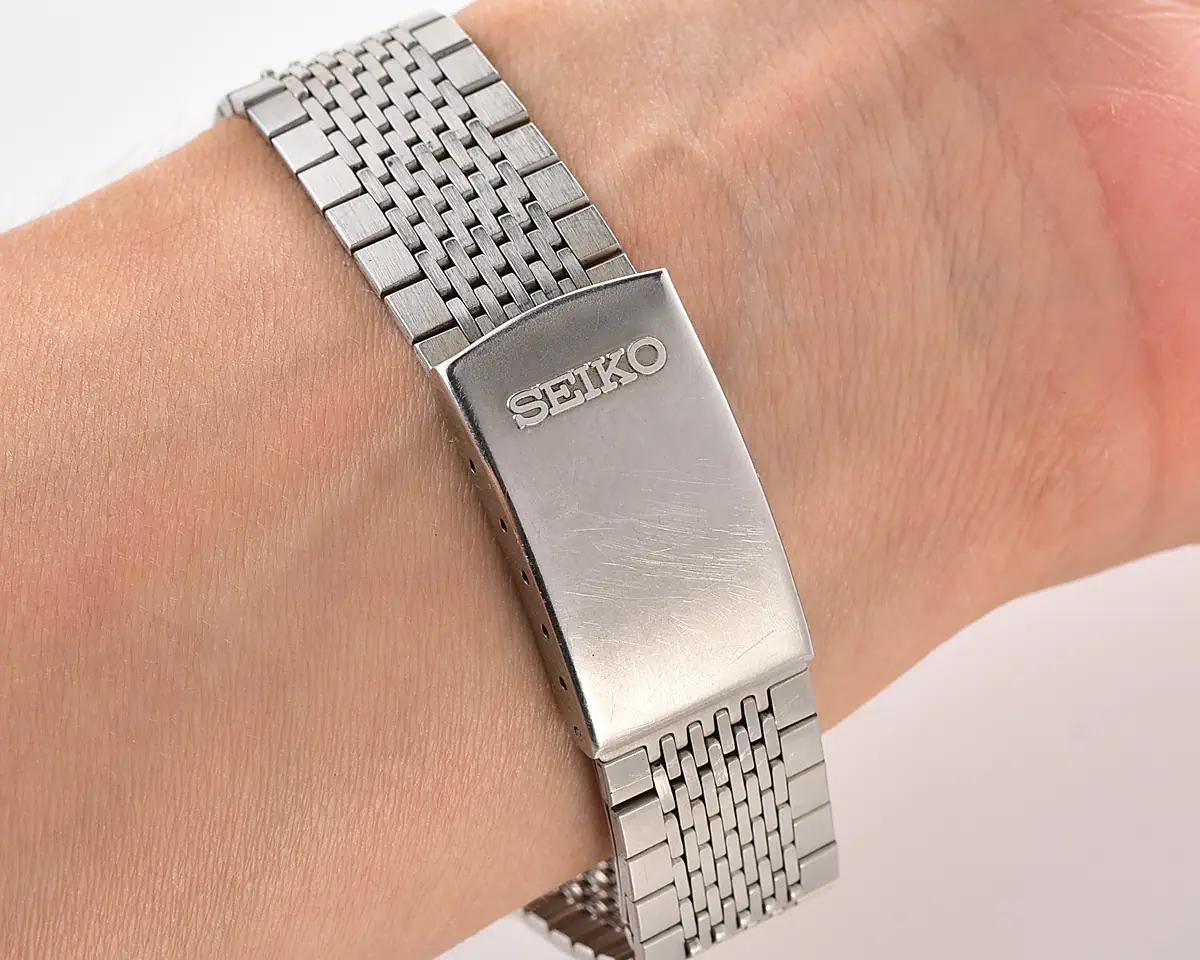
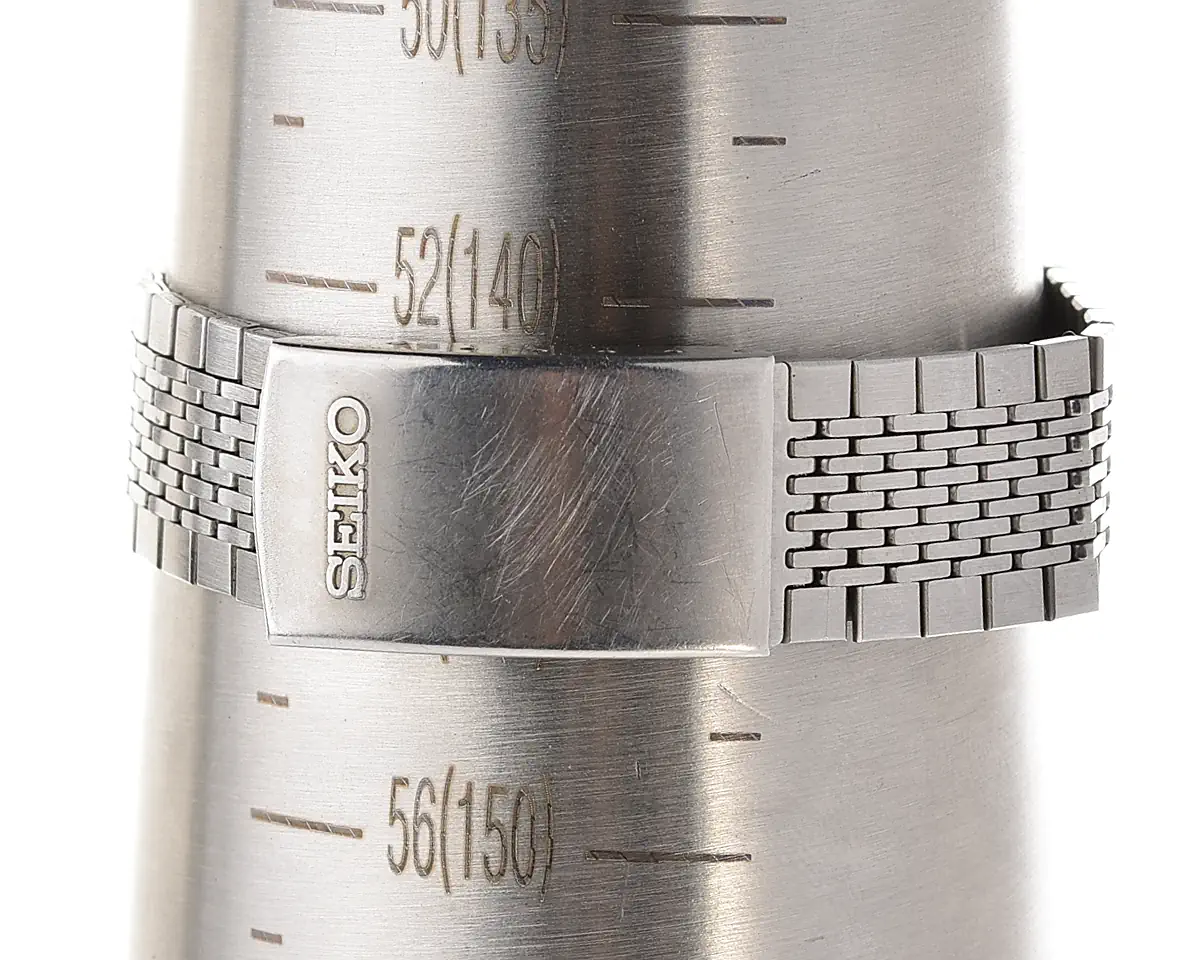
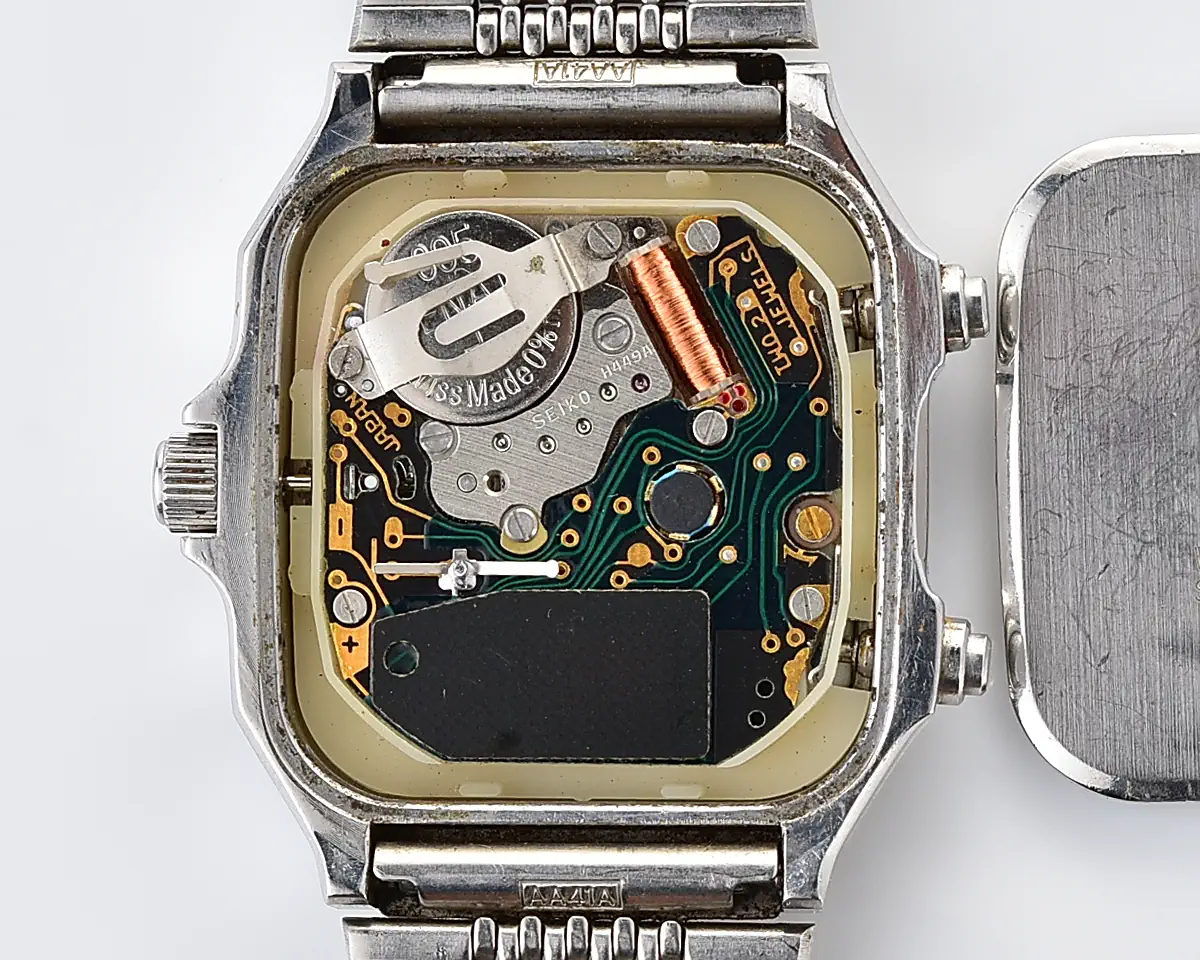
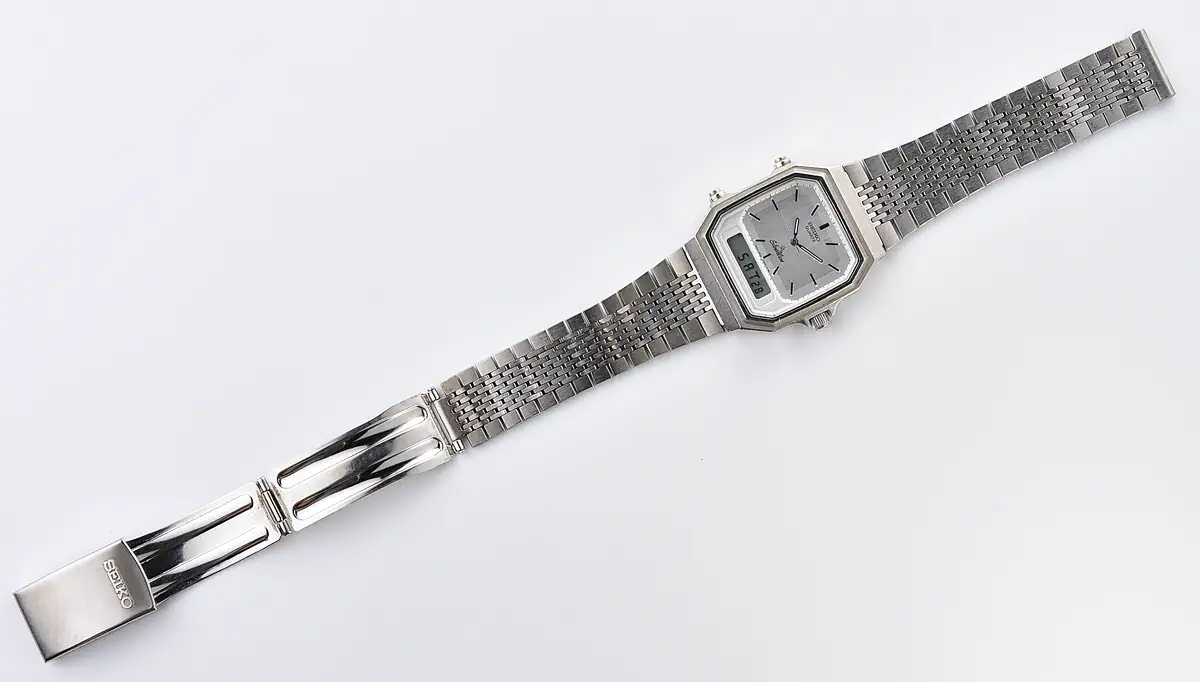
Inside is Seiko’s caliber H449A quartz module — the plate is stamped SEIKO H449A and the circuit block TWO(2) JEWELS — driving the analog train and the LCD independently of each other. The watch comes on its Seiko steel bracelet, a flat woven-look link design with end pieces stamped AA41A and a folding clasp signed SEIKO.
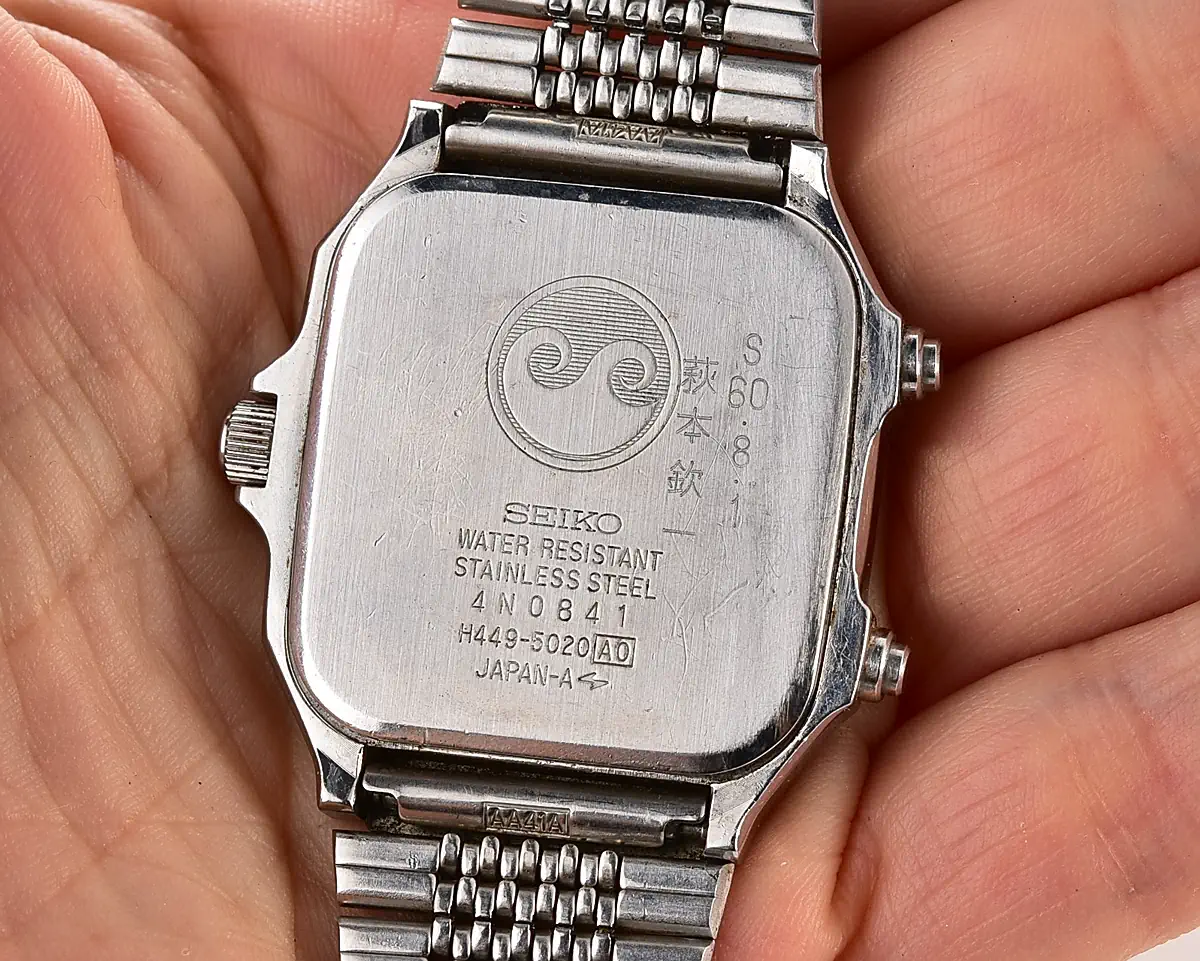
One thing to know before you buy: the case back is personalised. A previous owner’s engraving sits alongside the factory markings — a circular company emblem, a Japanese name in kanji, and the date S 60.8.1, which is 1 August 1985 in the Shōwa calendar. The watch was made in November 1984 and presented nine months later. The engraving is permanent and is photographed in detail below.
Technical Specifications
- Brand: Seiko
- Line: SilverWave
- Reference Number: H449-5020 (case back; dial code JAPAN H449-502L R)
- Movement: Quartz, caliber H449A, 2 jewels — analog and LCD duo-display
- Serial Number: 4N0841
- Production Date: November 1984
- Case Material: Stainless steel
- Case Diameter: 33 mm wide (excluding crown), approx. 37 mm top to bottom
- Dial: Silver-white, fine vertical brushing, applied polished baton markers with luminous tips, LCD panel at 6 o’clock
- Crystal: Mineral glass
- Case-back: Stainless steel, snap-on, stamped SEIKO / WATER RESISTANT / STAINLESS STEEL with the SilverWave emblem; carries a previous owner’s engraving
- Country of Manufacture: Japan
Condition Report
The dial is clean and even, with every marker and hand present and the printing crisp. The LCD panel is clear and fully legible, with no missing or bleeding segments. The stainless steel case shows honest wear from four decades of use — light scratches and a few small nicks along the polished bevels and case sides, most noticeable across the top of the case and along the left flank around the pushers. The crystal is free of cracks. The case back is unpolished, with the factory markings still sharp, and it carries a previous owner’s engraving: a circular emblem, a name in kanji and the date S 60.8.1 (1 August 1985). That engraving is permanent and is shown close up in the photographs. The Seiko-signed steel bracelet is complete and closes securely, carrying the usual surface scratching on the outer links and across the clasp cover; as it comes it is sized to roughly a 140–145 mm wrist, which you can see against the sizing gauge in the product images. The case back is stamped WATER RESISTANT, but the gaskets are over forty years old — please treat this watch as not water resistant and keep it dry.
This watch has recently been serviced by a professional watchmaker and keeps good time.
Comes complete with original steel bracelet*.
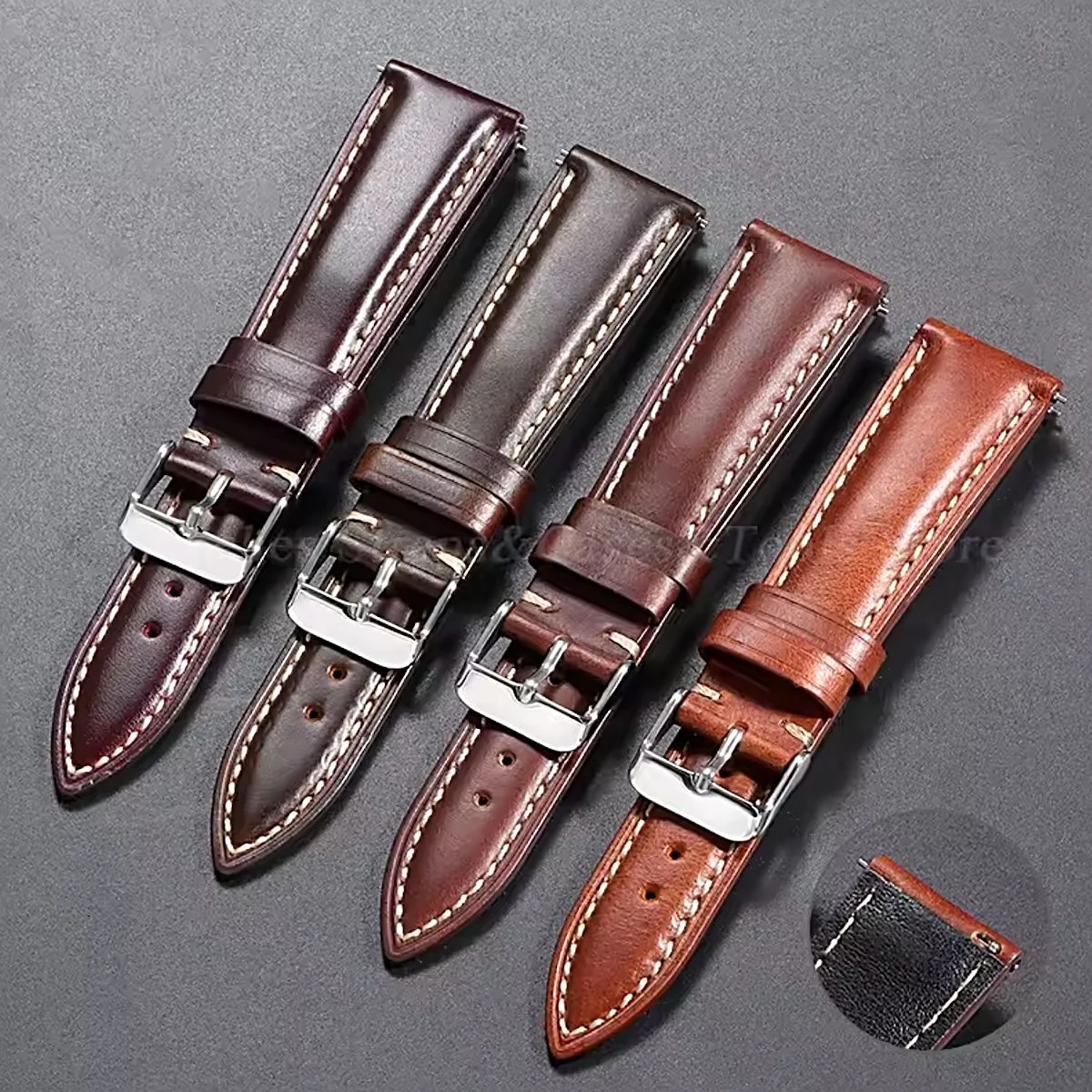
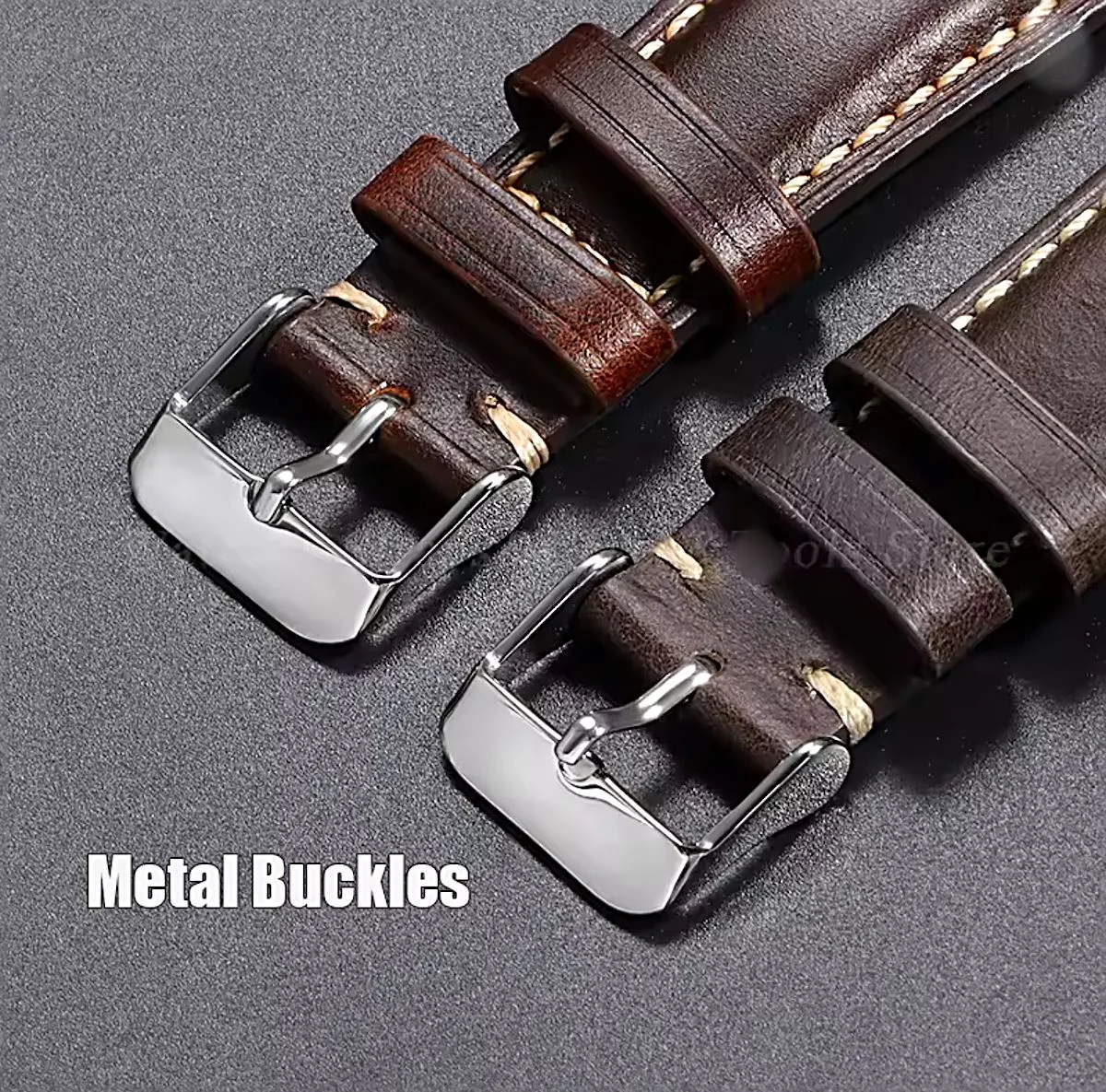
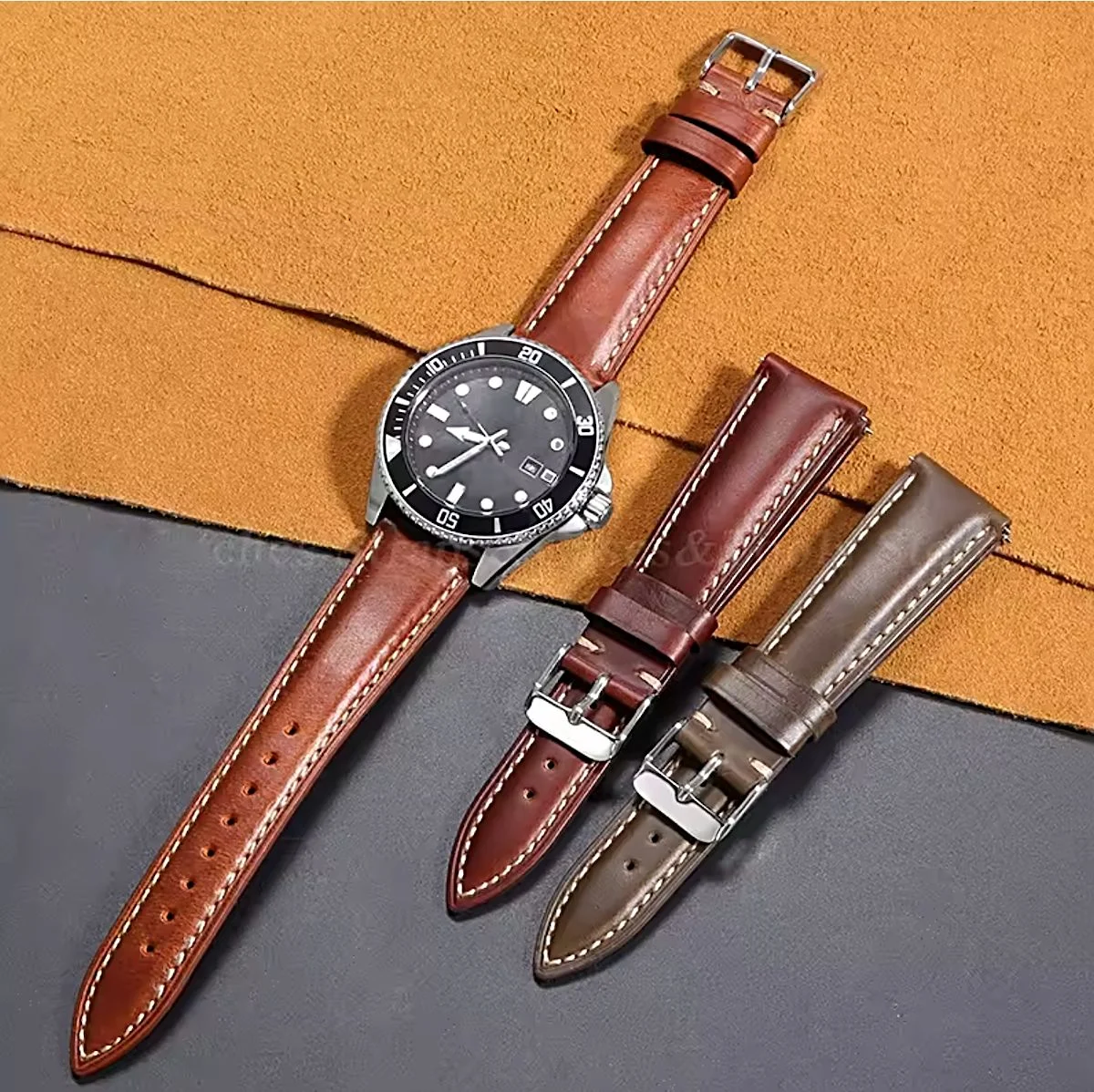
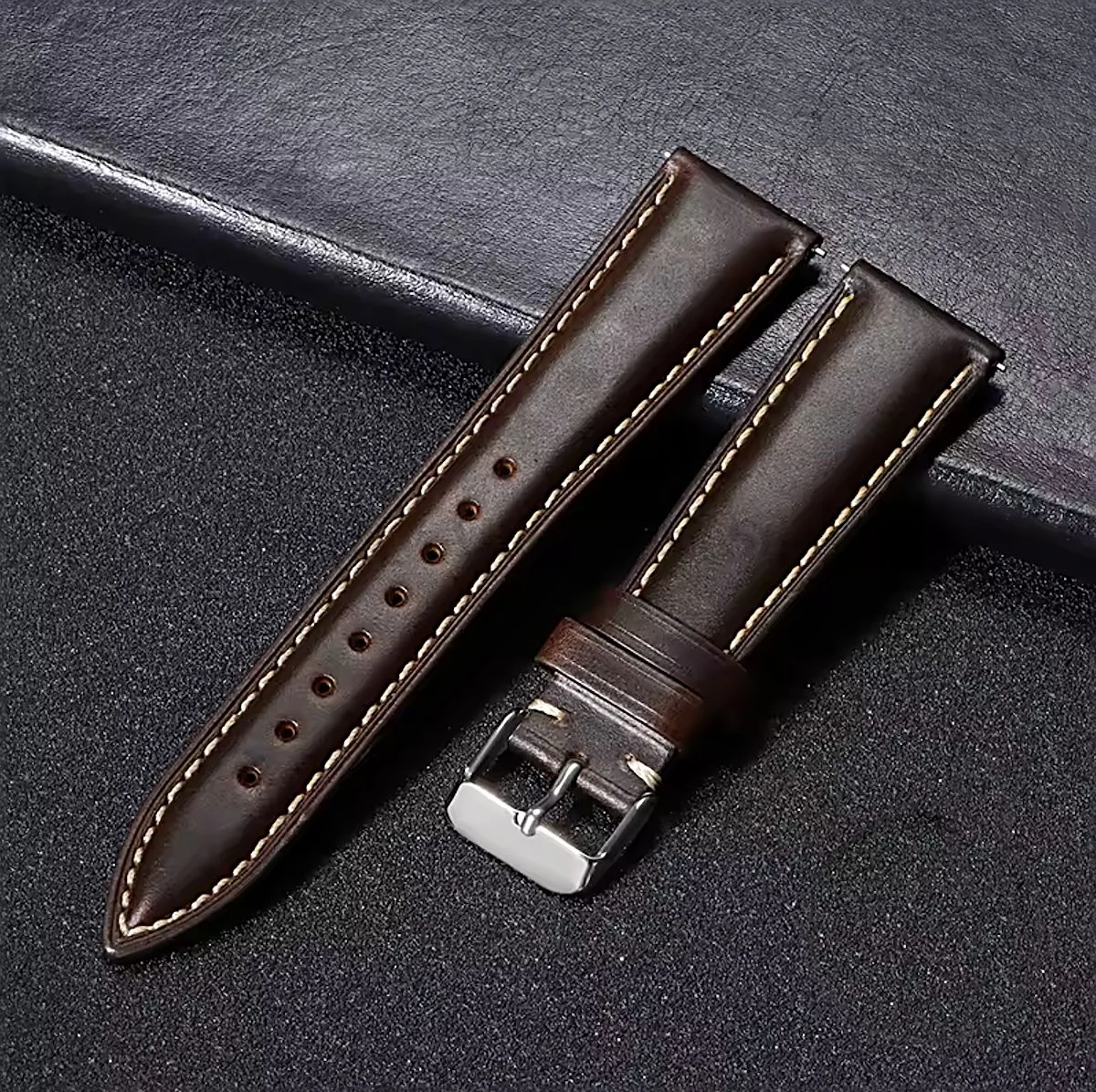
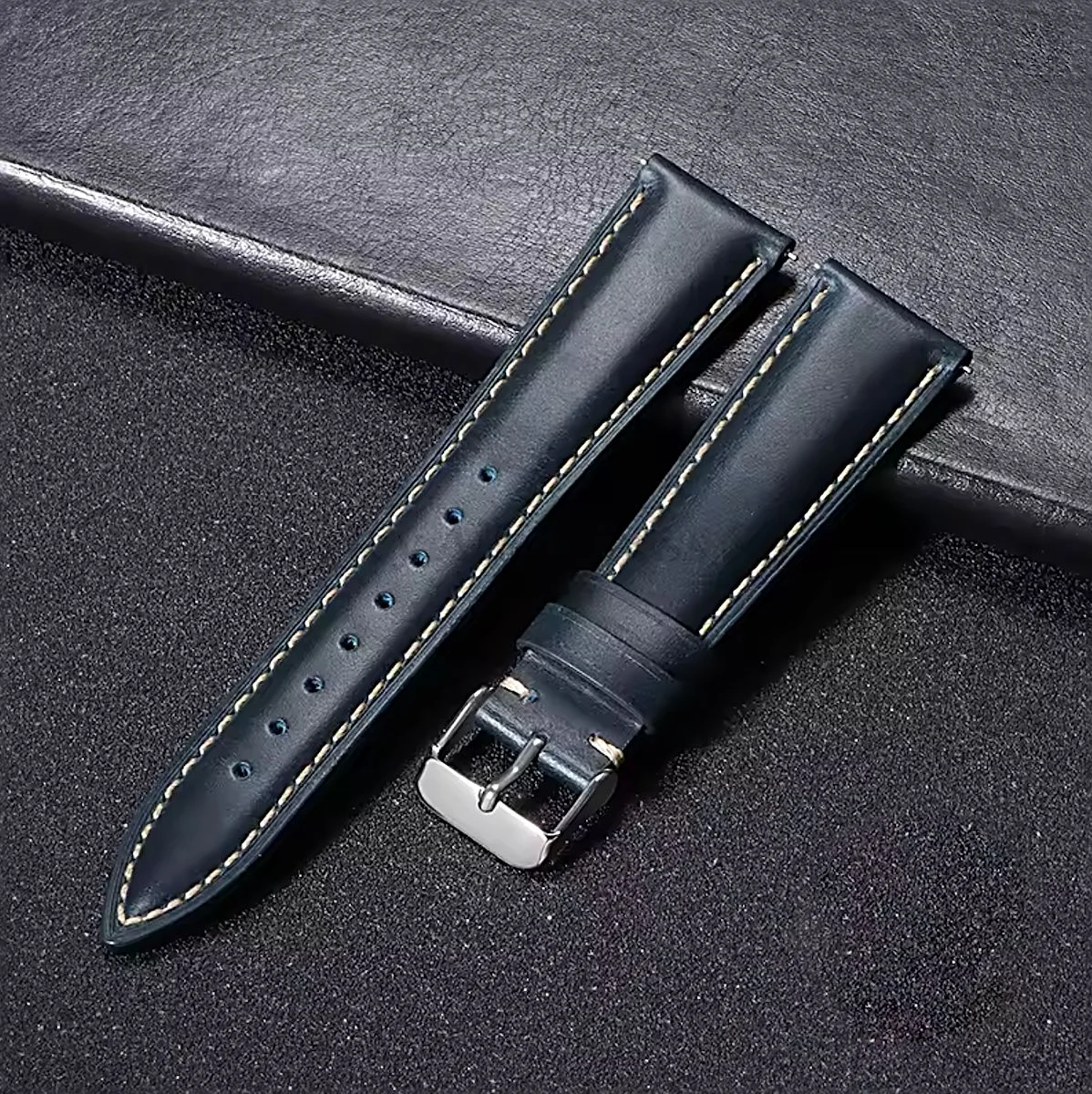
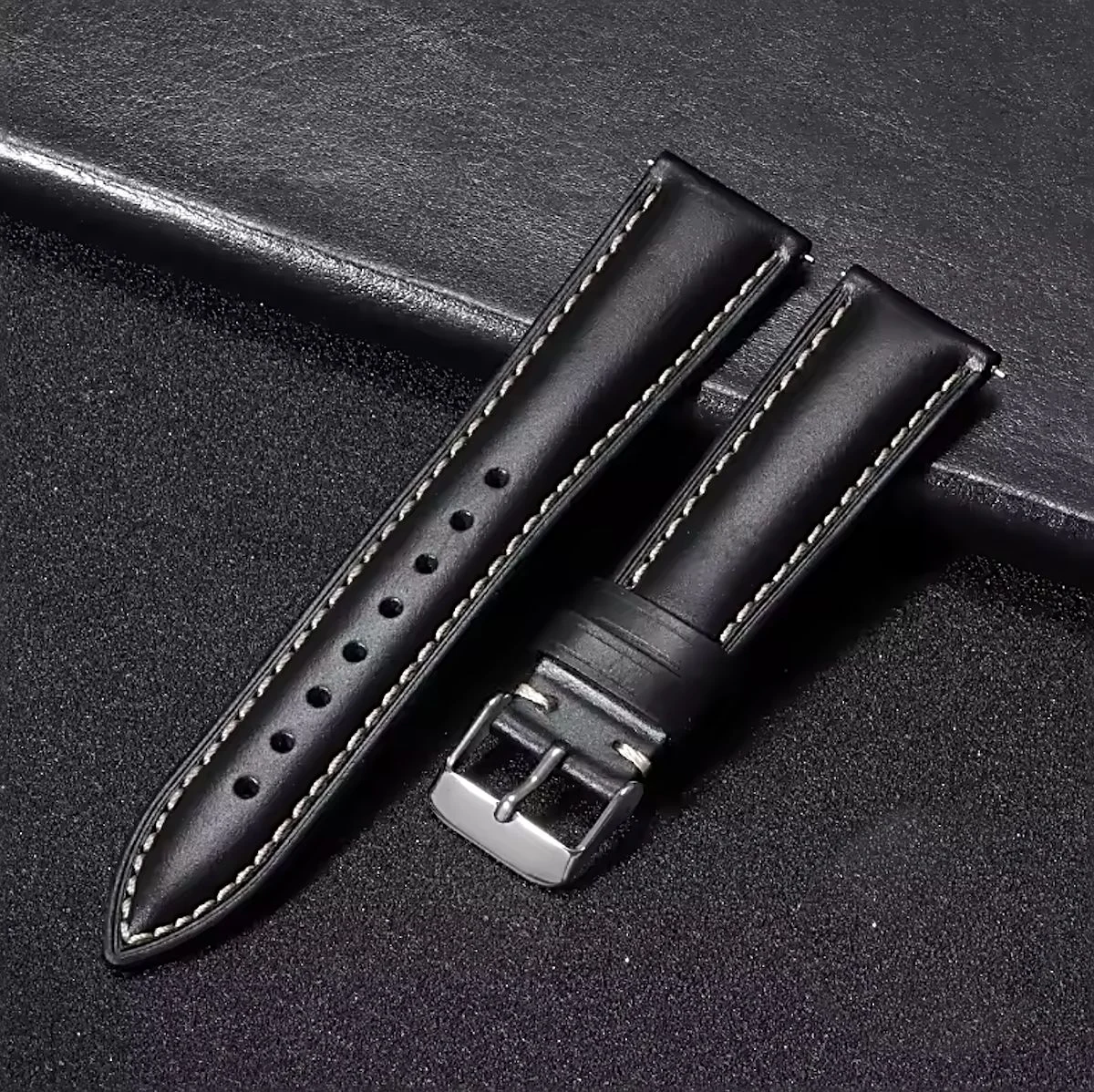
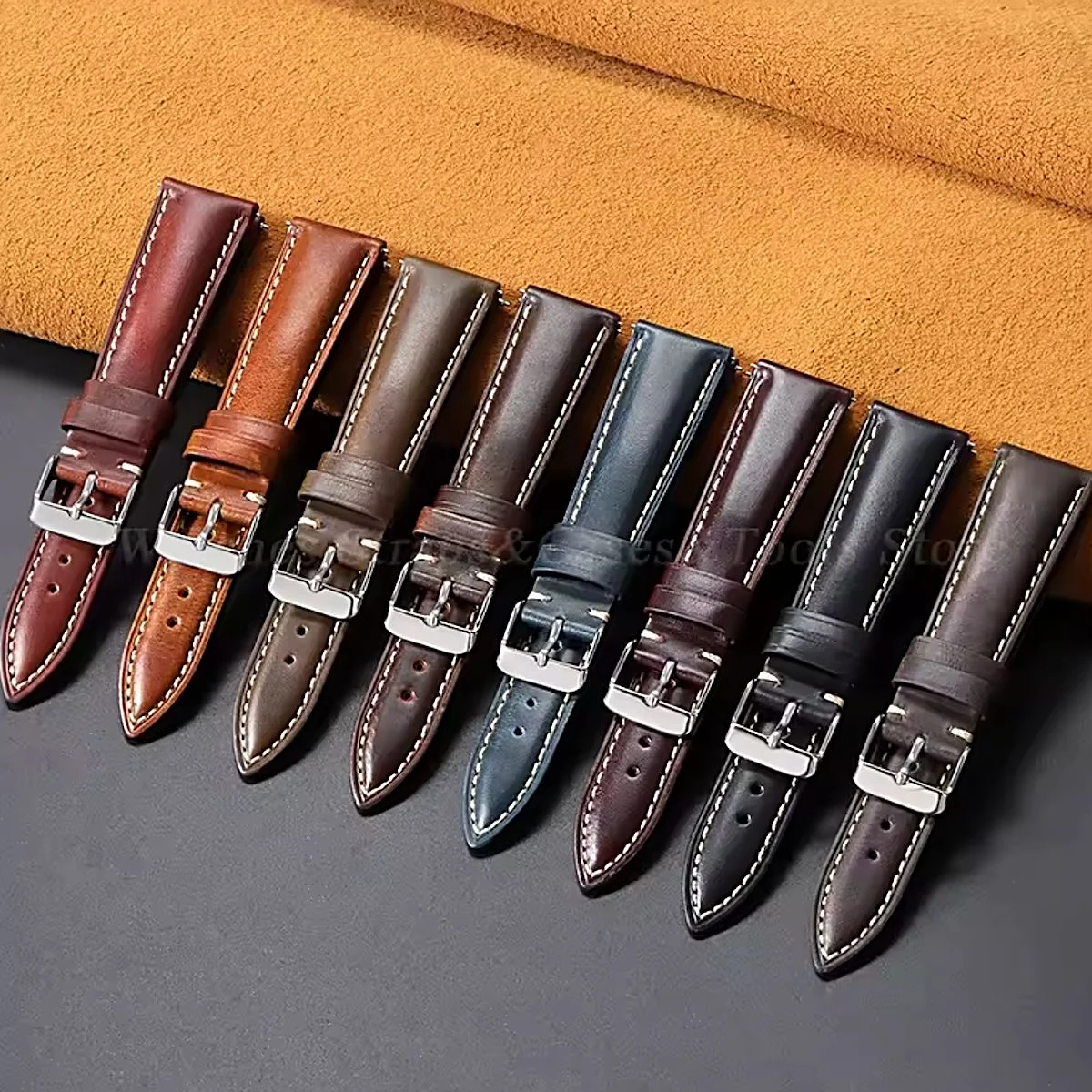
(*)Note: Stock bracelets are often shortened by previous owners and may not fit you(see bracelet size in the product images). We match the strap to this watch’s lug width, so there is nothing for you to measure — just pick a padded leather strap for Seiko from the options at the top of the page.
This watch ships from 🇺🇦 Ukraine with tracking number
Why Collectors Want This Watch Today
The H-series duo-display watches sold in large numbers in Japan through the early 1980s, so they are not rare — but condition is what separates one example from the next: LCD panels fade, modules stop, and the slim pushers get knocked off. This one runs on both displays and keeps its Seiko-signed bracelet.
The engraved case back is part of the story rather than something to hide. An emblem, a name and the date 1 August 1985 make this a dated object with a first owner attached to it — a Japanese presentation watch that spent its first years with the person it was given to. At 33 mm across a squared case it wears small by modern standards, which suits it to wearing under a shirt cuff.
Modes of payment:
- PayPal
- Credit Cards (VISA, MasterCard, American Express, Discover)
- bitcoin
We guarantee the item you receive looks and works exactly as advertised — or your money back.
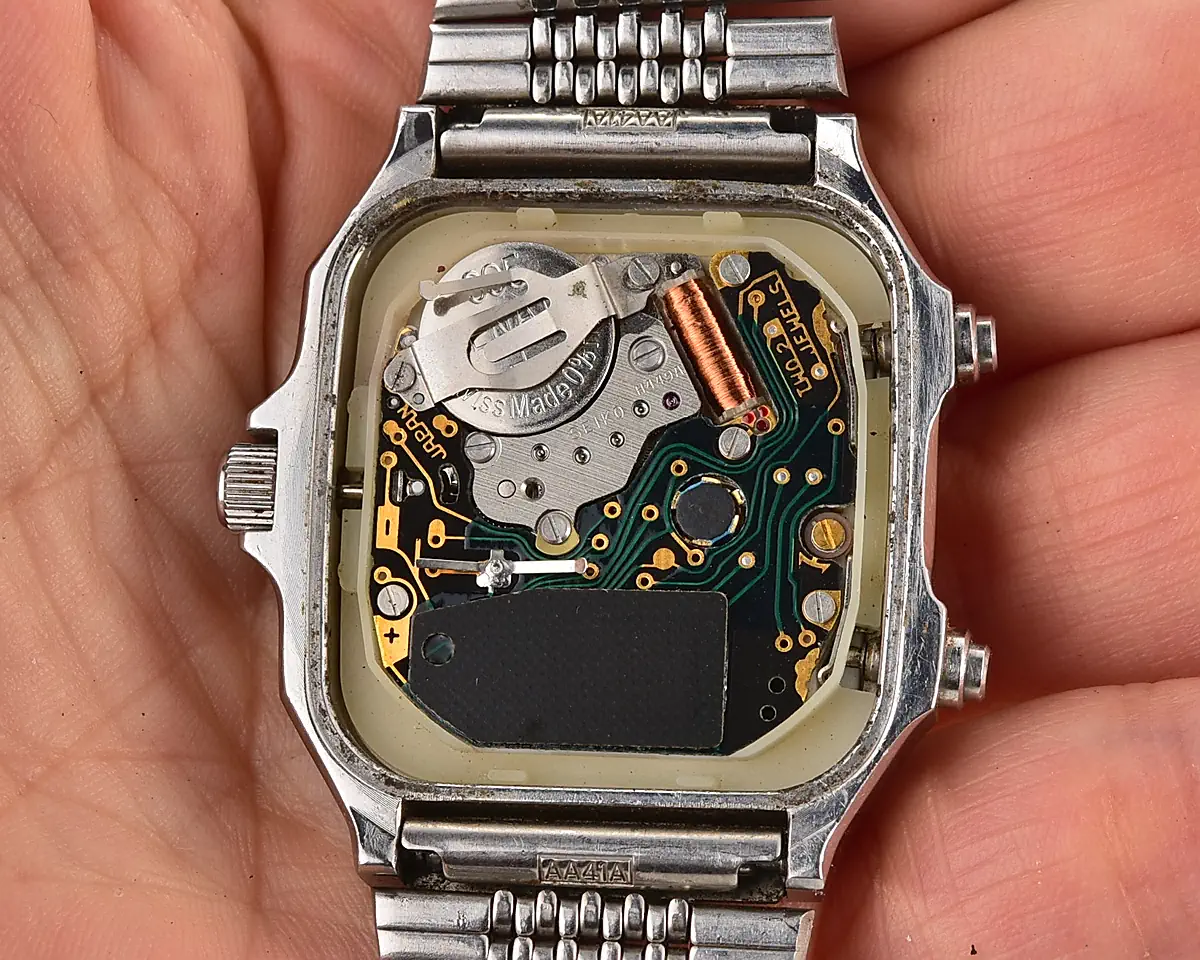
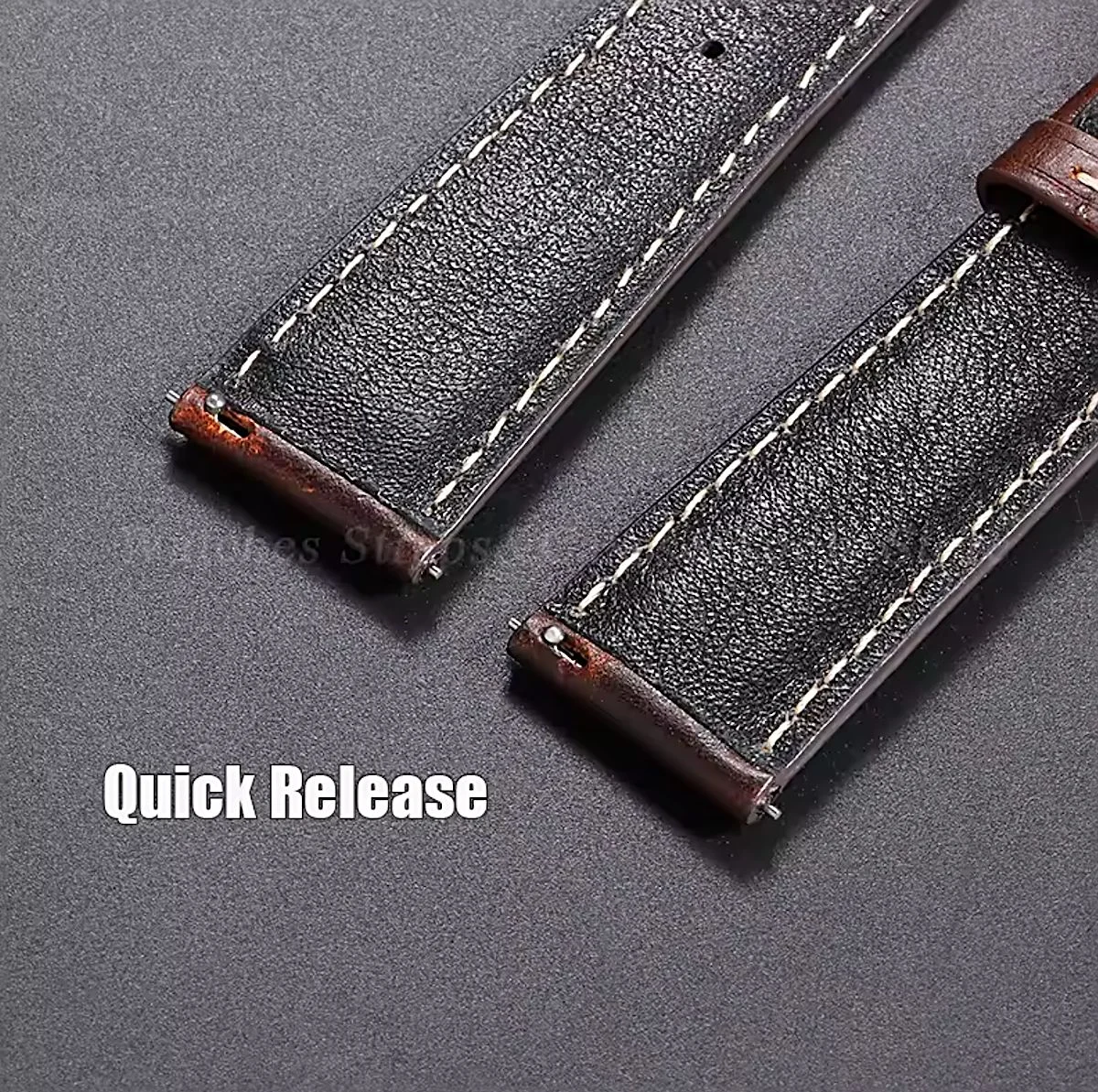
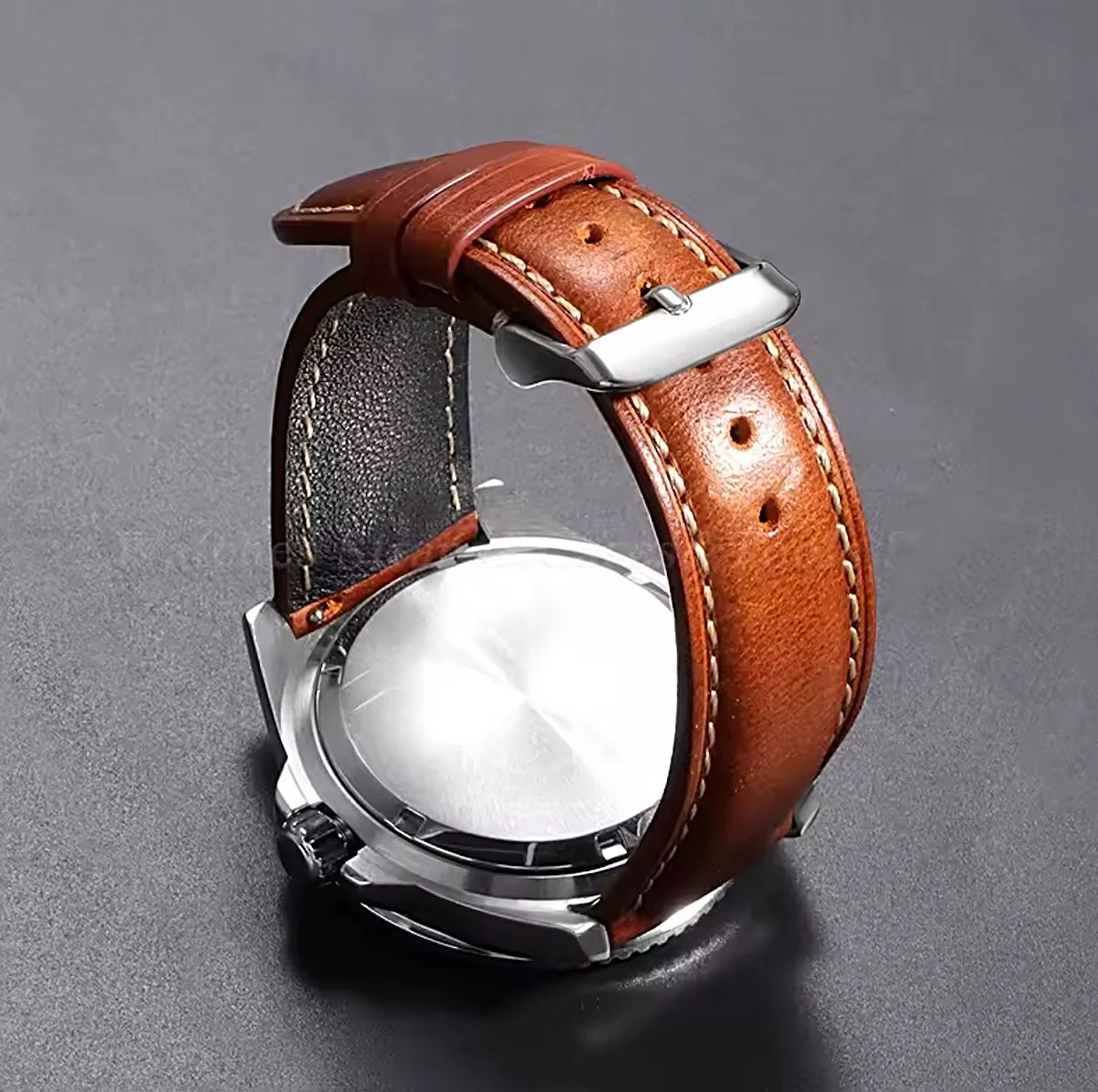
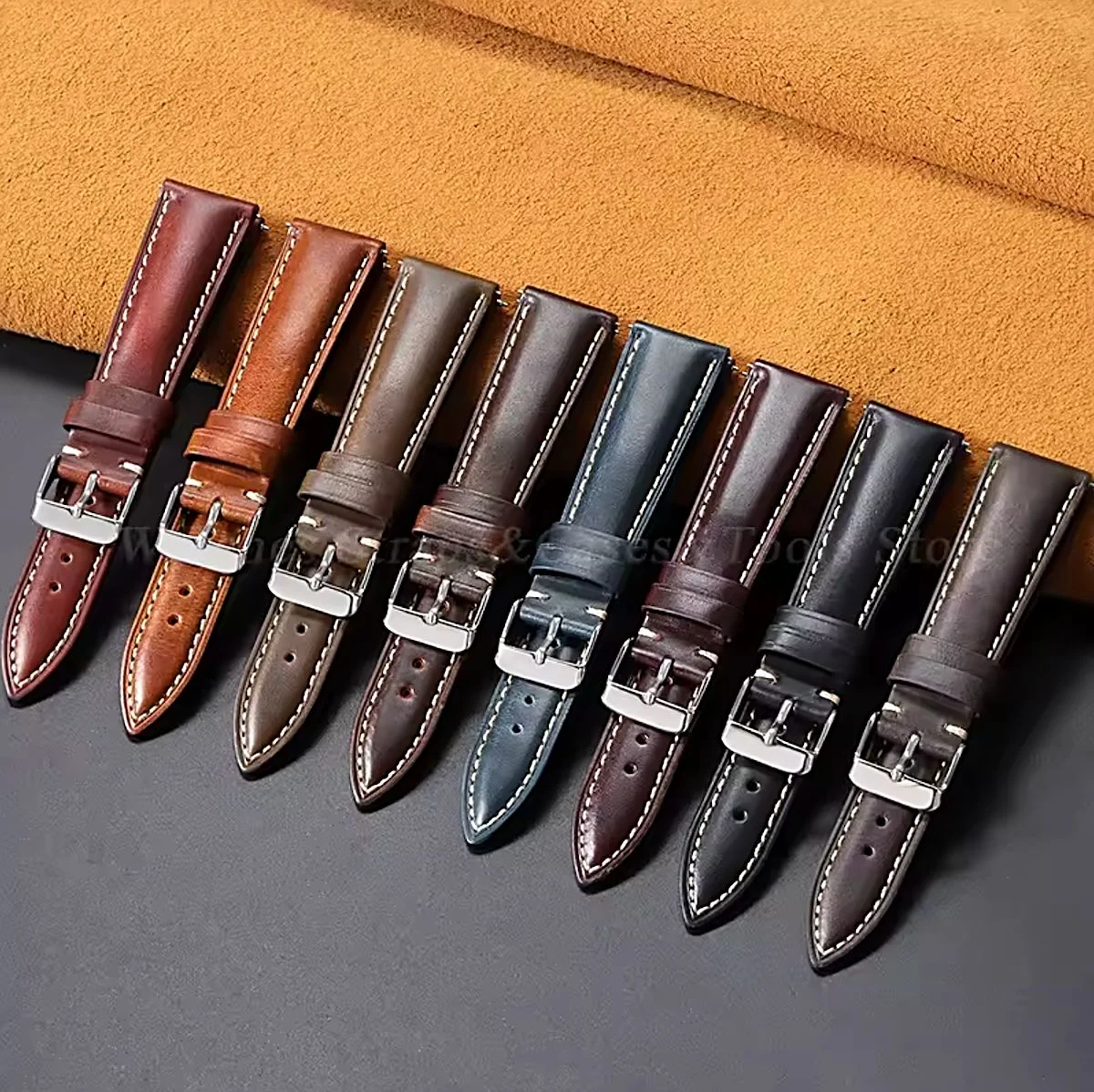
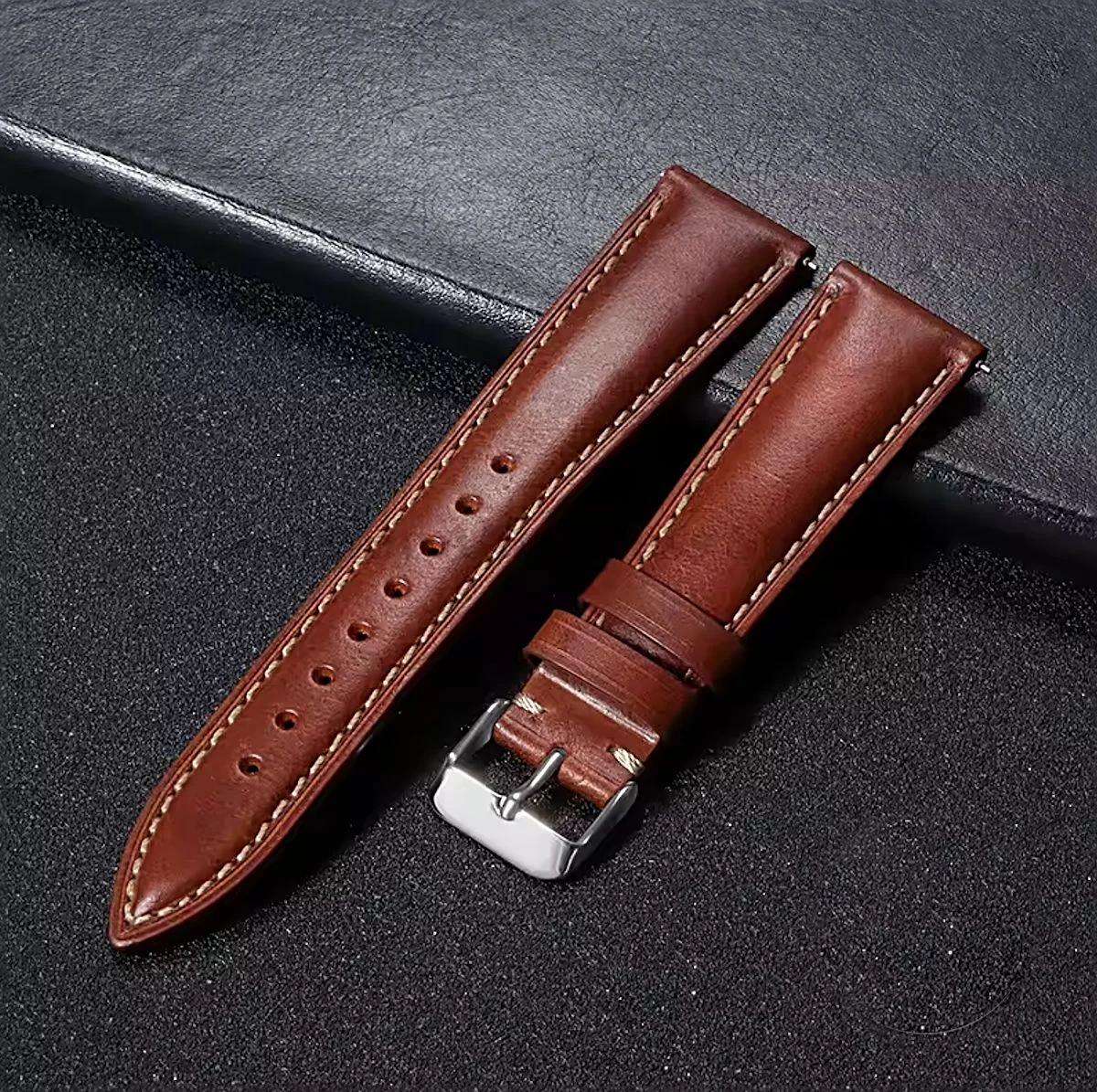
Seiko lug-width matched leather straps — 18 / 19 / 20 mm
About the watch factory
Seiko Group Corporation (セイコーグループ株式会社, Seikō Gurūpu kabushiki gaisha), commonly known as Seiko, is a Japanese maker of watches, clocks, electronic devices, and semiconductors. Founded in 1881 by Kintarō Hattori in Tokyo, Seiko introduced the world’s first commercial quartz wristwatch in 1969.
Seiko is widely known for its wristwatches. Seiko is one of the few watch companies that is fully vertically integrated. Seiko is able to design and develop all the components of a watch, as well as assemble, adjust, inspect and ship them in-house. Seiko’s mechanical watches consist of approximately 200 parts, and the company has the technology and production facilities to design and manufacture all of these parts internally.
Seiko offers one of the widest ranges of watch technologies in the world—quartz, kinetic, solar, mechanical, and Spring Drive—spanning everything from affordable everyday pieces to six-figure haute horlogerie. Over the decades it has launched multiple global brands, including Lorus, Pulsar, and Alba, while elevating its prestige through innovations like Spring Drive, which helped push Seiko into higher-end territory. In 2017, Grand Seiko was spun off into its own standalone luxury brand, while Credor remains part of Seiko’s own lineup, sold primarily in Japan. Seiko’s own global lineup now includes Grand Seiko, King Seiko, Prospex, Astron, Presage, and Seiko 5 Sports.
Among Seiko’s key lines, Seiko 5 (born in 1963) is the gateway mechanical series known for durability and value; Lord Matic defined 1970s style with faceted crystals and colorful dials; Astron remains Seiko’s flagship GPS-solar tech line; Presage focuses on traditional mechanical craftsmanship with enamel and urushi dials; and Prospex delivers professional-grade dive, field, and pilot watches often embraced by enthusiasts. At the top end, Grand Seiko emphasizes precision, Zaratsu polished design, and movements like Spring Drive, while King Seiko—revived in the 2020s—brings back sharp, elegant 1960s styling with modern calibres.
Finally, Credor represents Seiko’s pinnacle of artisanal watchmaking, producing low-volume pieces in precious metals and showcasing Japanese decorative arts and haute complications from the Micro Artist Studio. Beyond watches, Seiko has also produced various electronic devices and, historically, jewelry and eyewear—though those divisions have since shifted to other companies.