Description
CASIO vintage quartz watch
JAPANESE MOVEMENT
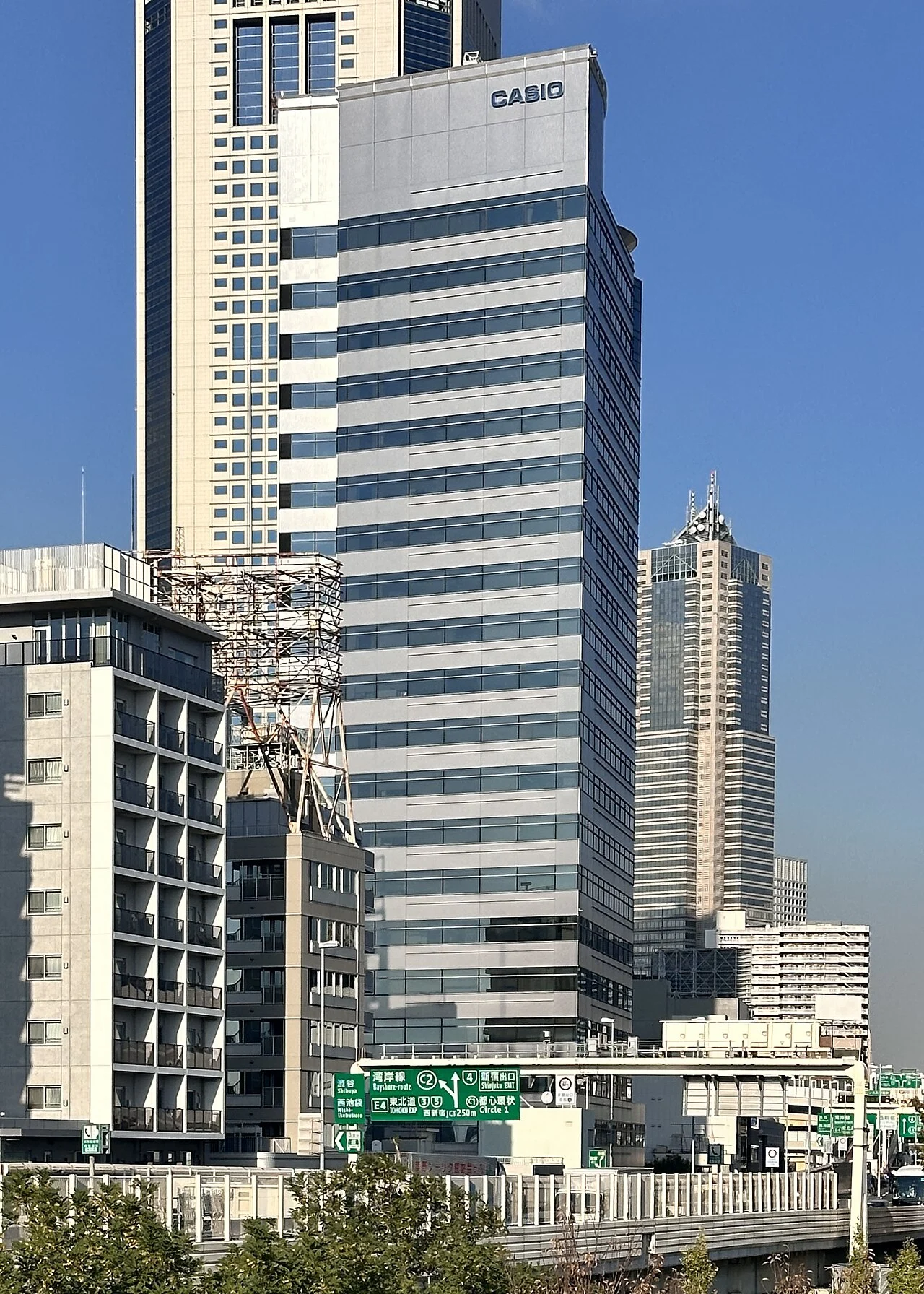
“Casio” is simply the founder’s family name — Kashio (樫尾) — anglicized for the world.
What began in the rubble of post-war Tokyo in 1946 as Kashio Seisakujo, a tiny subcontracting workshop run by Tadao Kashio, became one of the great stories of Japanese engineering: in 1957 Tadao and his three brothers unveiled the 14-A — the world’s first compact all-electric calculator — and Casio Computer Co., Ltd. was born.
Casio came to watches the same way it came to everything — through electronics. In 1974 it launched the Casiotron, the first digital watch that knew the calendar by itself, and by 1983 the legendary G-Shock had made Casio a household name on every continent. The quiet flip side of all that digital fame is Casio’s analog catalog — clean, honest, three-handed quartz watches built with the same engineering pragmatism and sold in the millions.
About the Casio AQ Ana-Digi Line
🕰 The AQ series is Casio’s combination line — the watches where the company stopped choosing between hands and digits and used both at once.
Casio had been the great evangelist of the all-digital watch since the Casiotron of 1974, but by the early 1980s it had worked out that plenty of buyers still wanted to read the time the old way, at a glance, off a pair of hands. The answer was the combination module: an analog train driving hour and minute hands across the top of the dial, with a small LCD panel let into the bottom carrying a digital time display, a dual-time readout, a daily alarm and a stopwatch. Casio’s first combination model was the AQ-200 “Janus” of 1982; the AQ-230 is its direct descendant, adding a second button to the left flank and slimming the case.
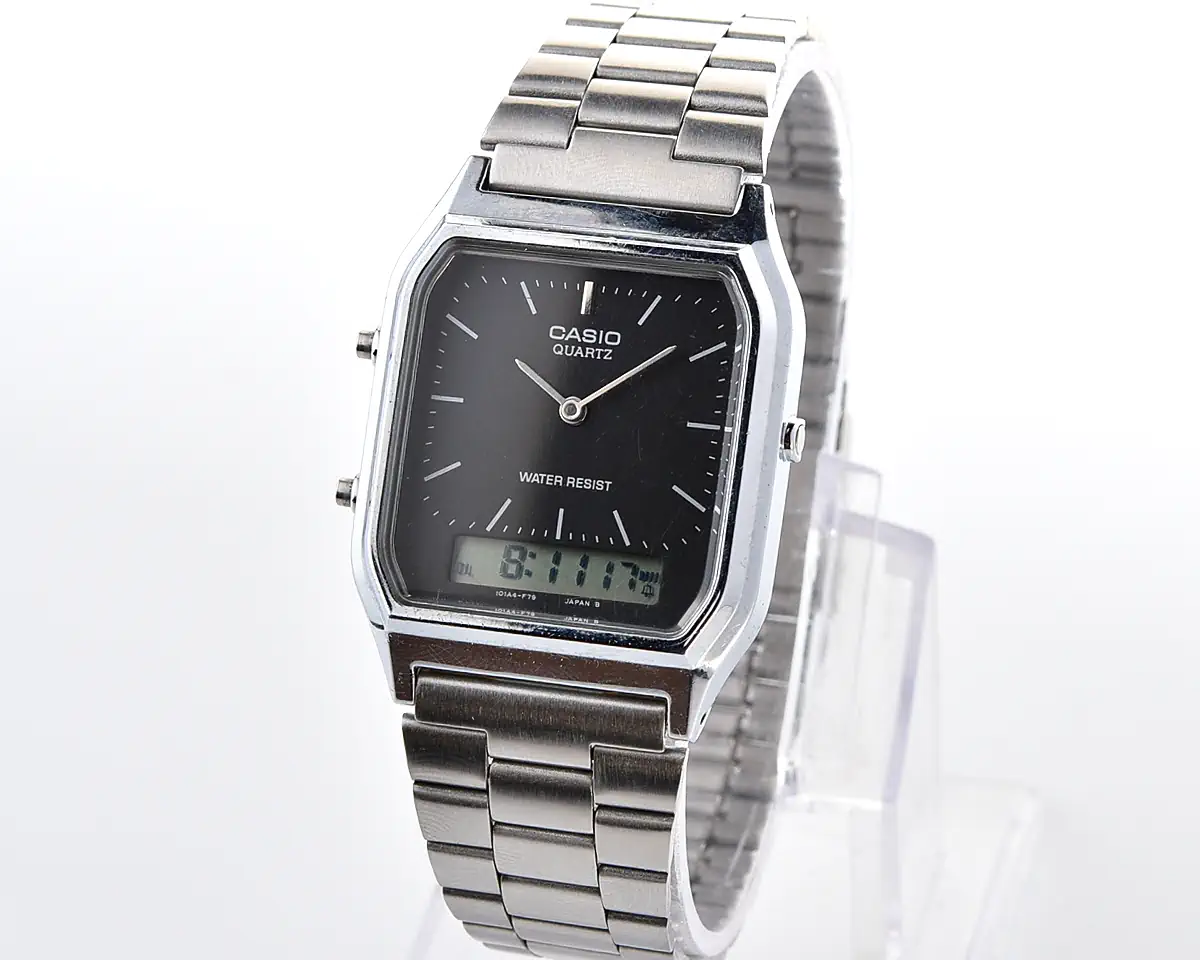
What makes the design work is restraint — an octagonal-cornered rectangle in bright chrome, a matte black dial with fine printed batons, a setting crown at three o’clock, and nothing else. It is one of the very few 1980s ana-digi shapes Casio still builds today, essentially unredrawn, which is about the highest compliment a mass-market design can be paid. Earlier examples like this one carry the original module 1301; current production runs on the later module 5154.
About This Watch
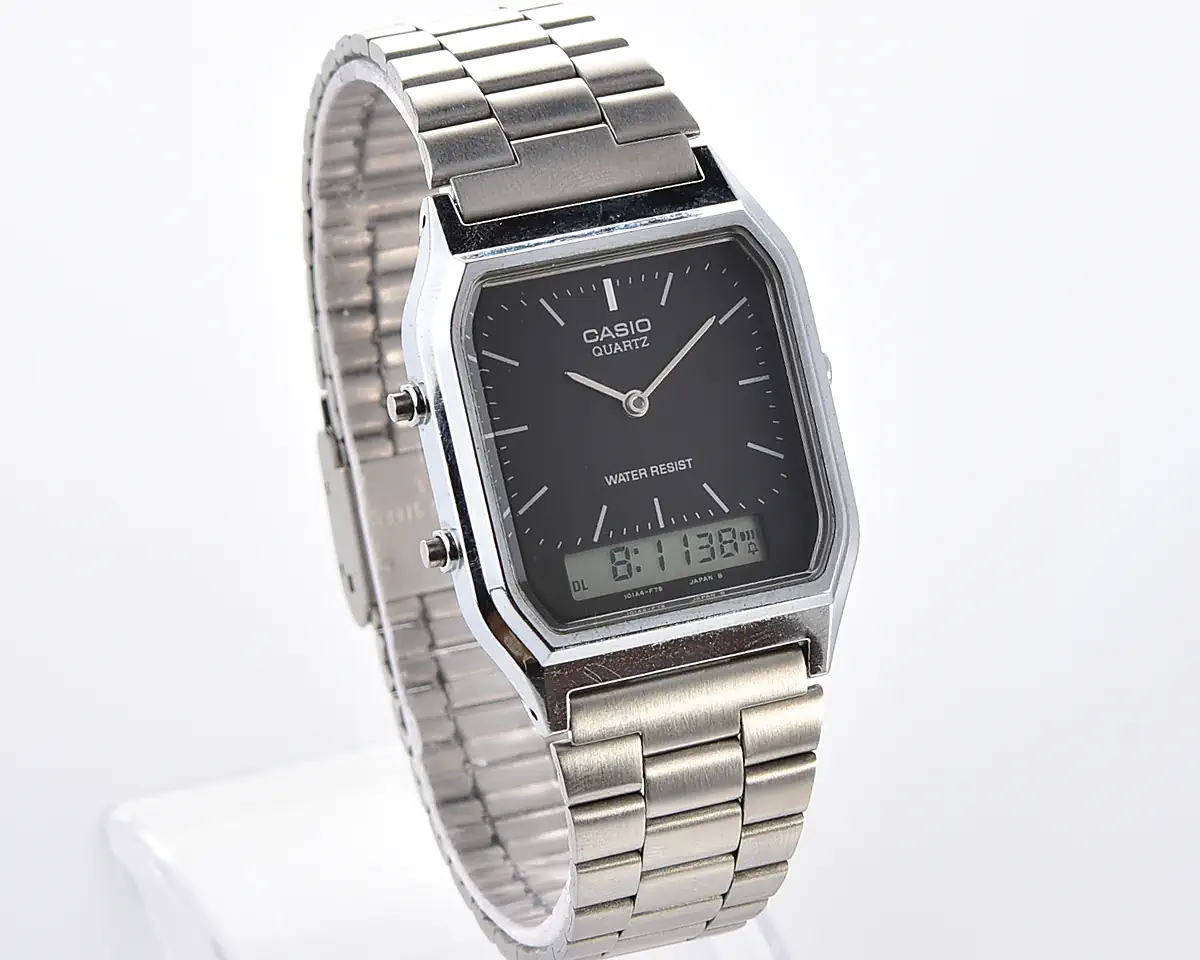
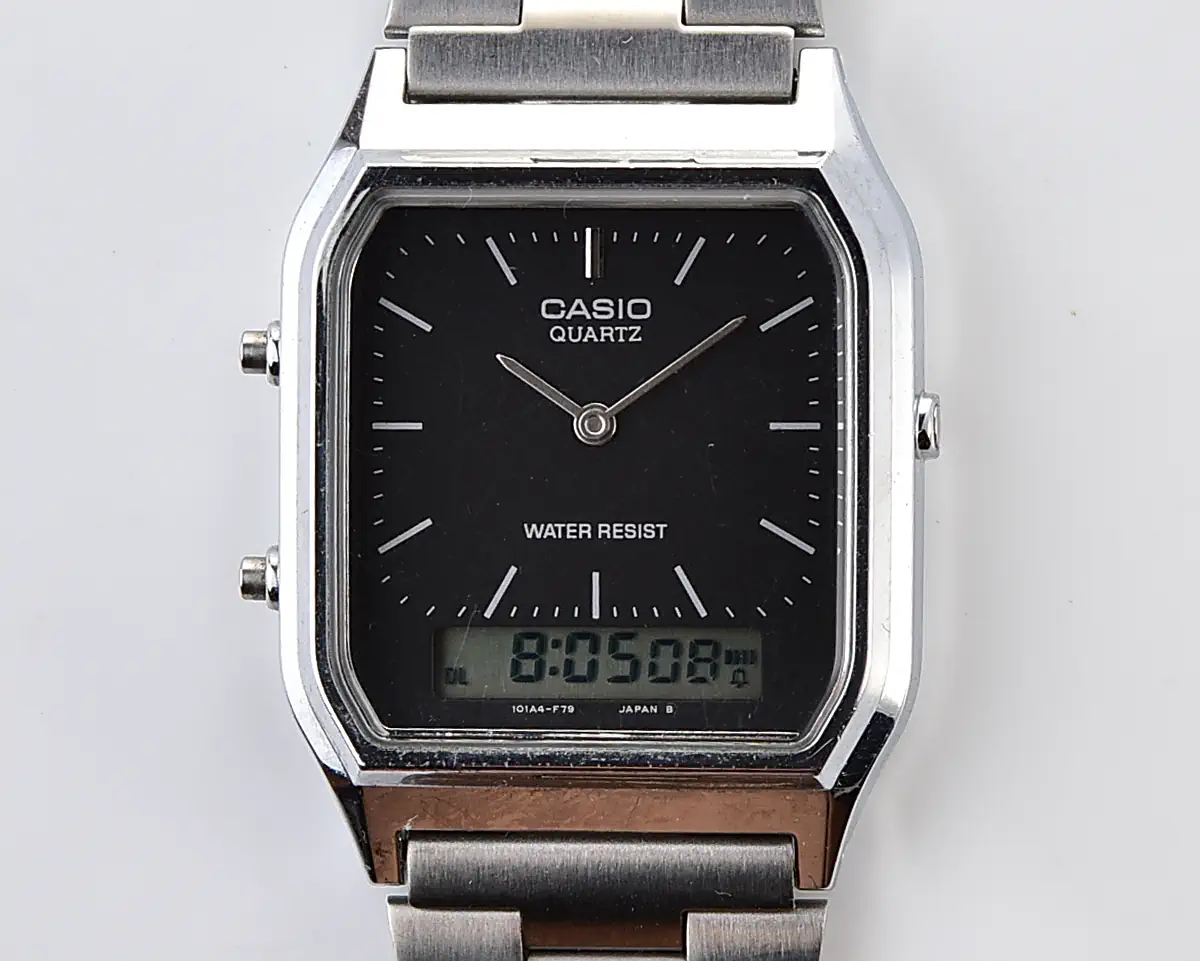
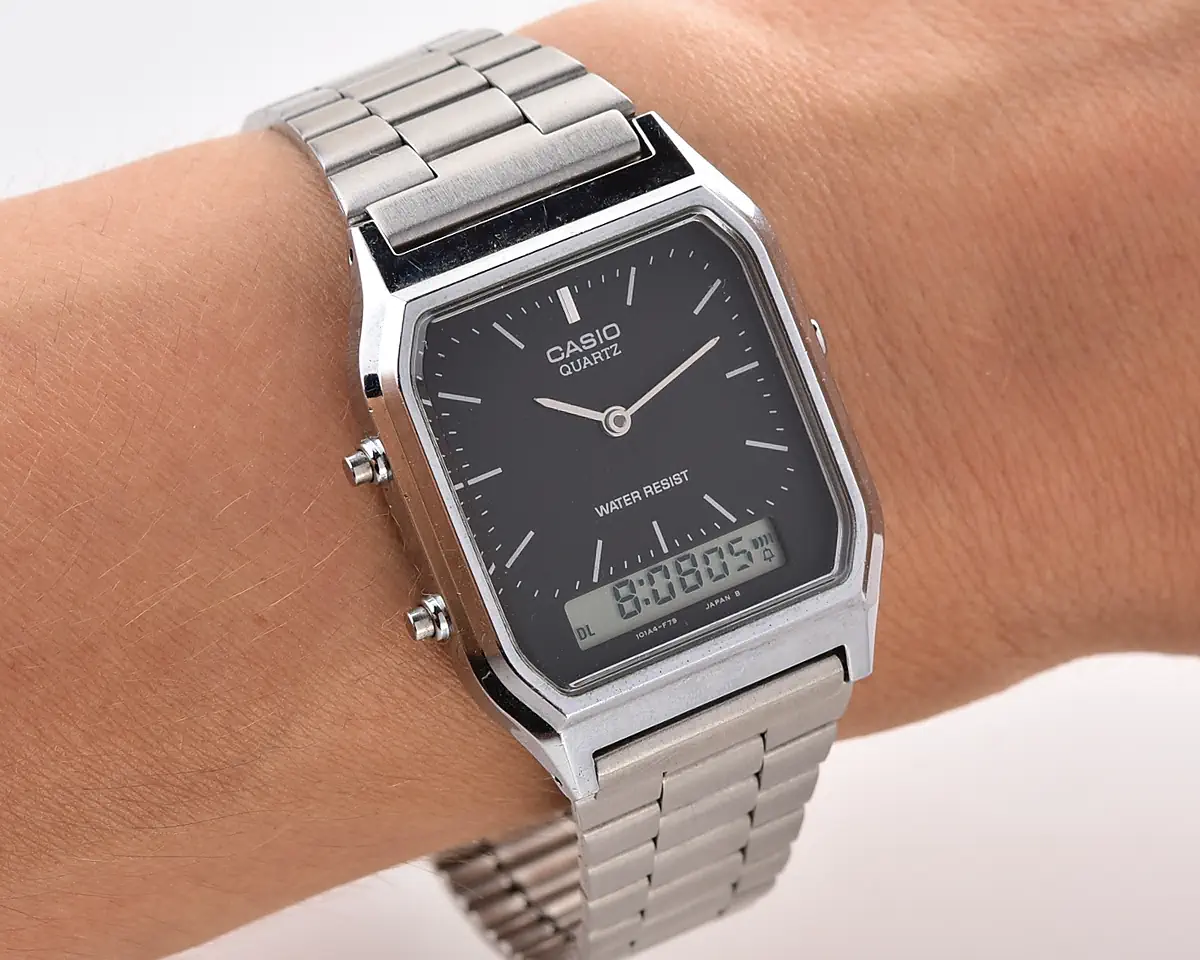
This is a Casio AQ-230 — the analog-digital combination model, in its classic black-dial, chrome-cased form on Casio’s own steel bracelet.
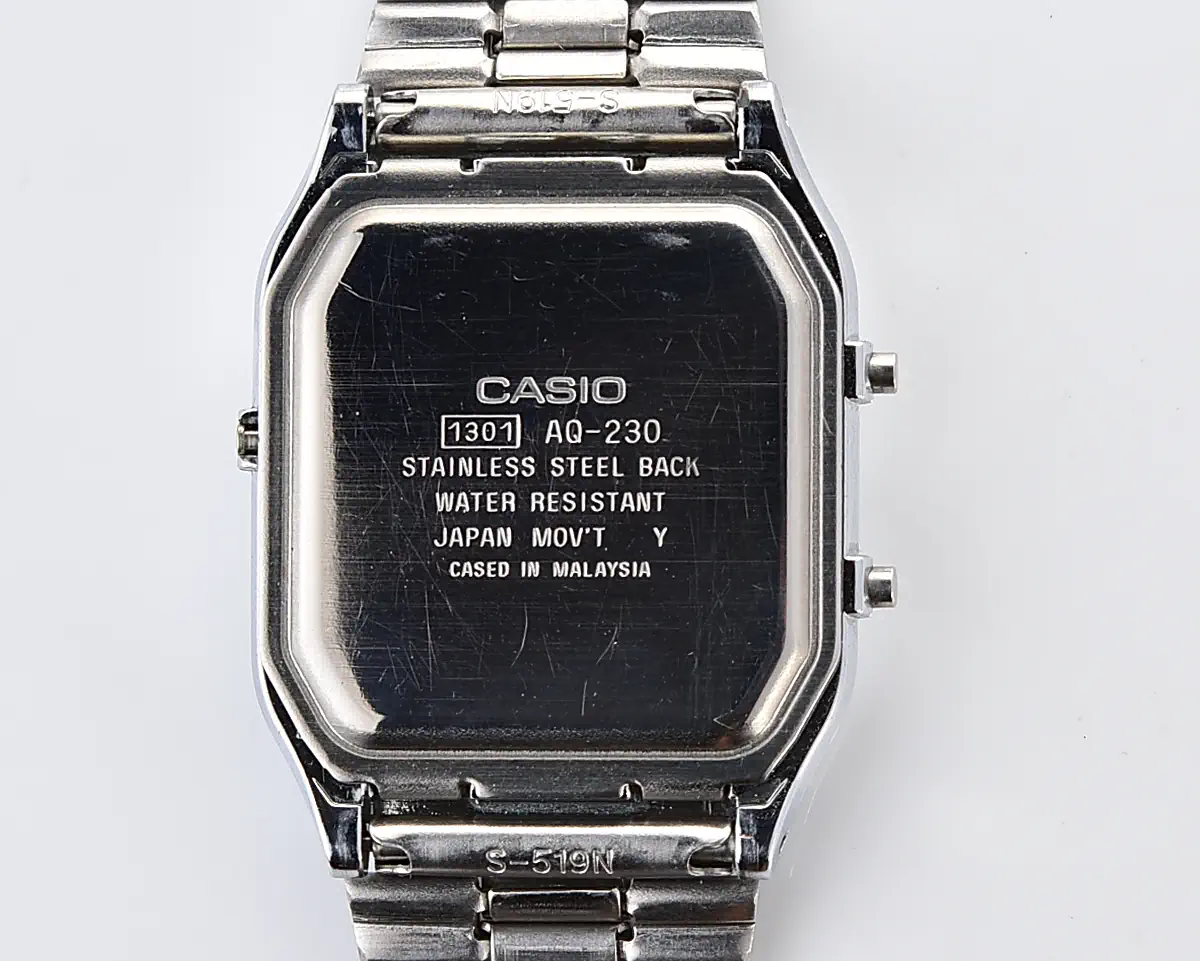
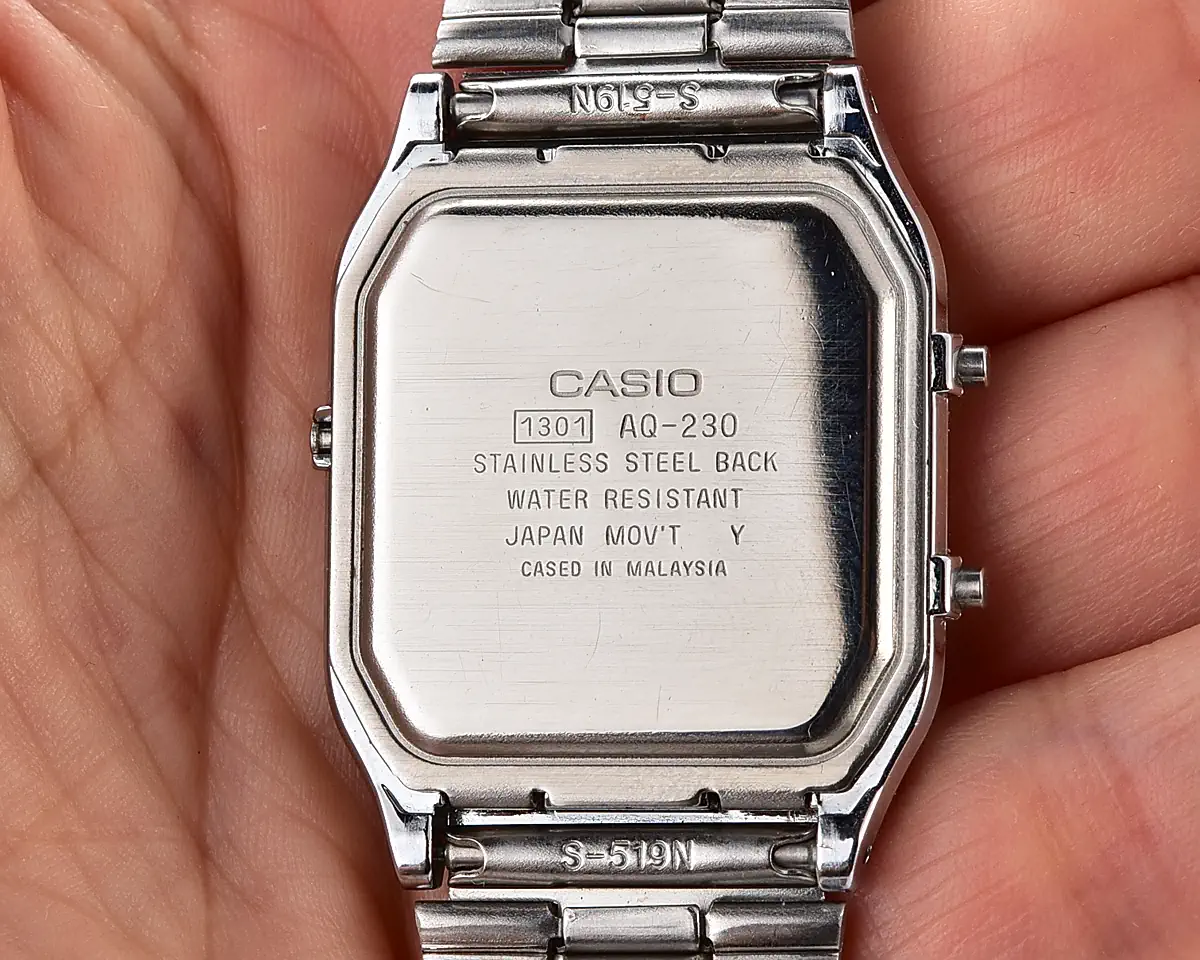
The case-back states the case plainly: CASIO · 1301 · AQ-230 · STAINLESS STEEL BACK · WATER RESISTANT · JAPAN MOV’T Y · CASED IN MALAYSIA. Module 1301 is the AQ-230’s original movement, and a noticeably older piece of engineering than what Casio fits today: it is a two-battery design, running an SR920W cell alongside a CR1616, where the current module 5154 makes do with a single cell. Its documented modes are timekeeping, dual time, a daily alarm with hourly time signal, and a stopwatch reading to 59 minutes 59 seconds — the DL flag for the dual-time register is visible at the left edge of the LCD in our photographs.
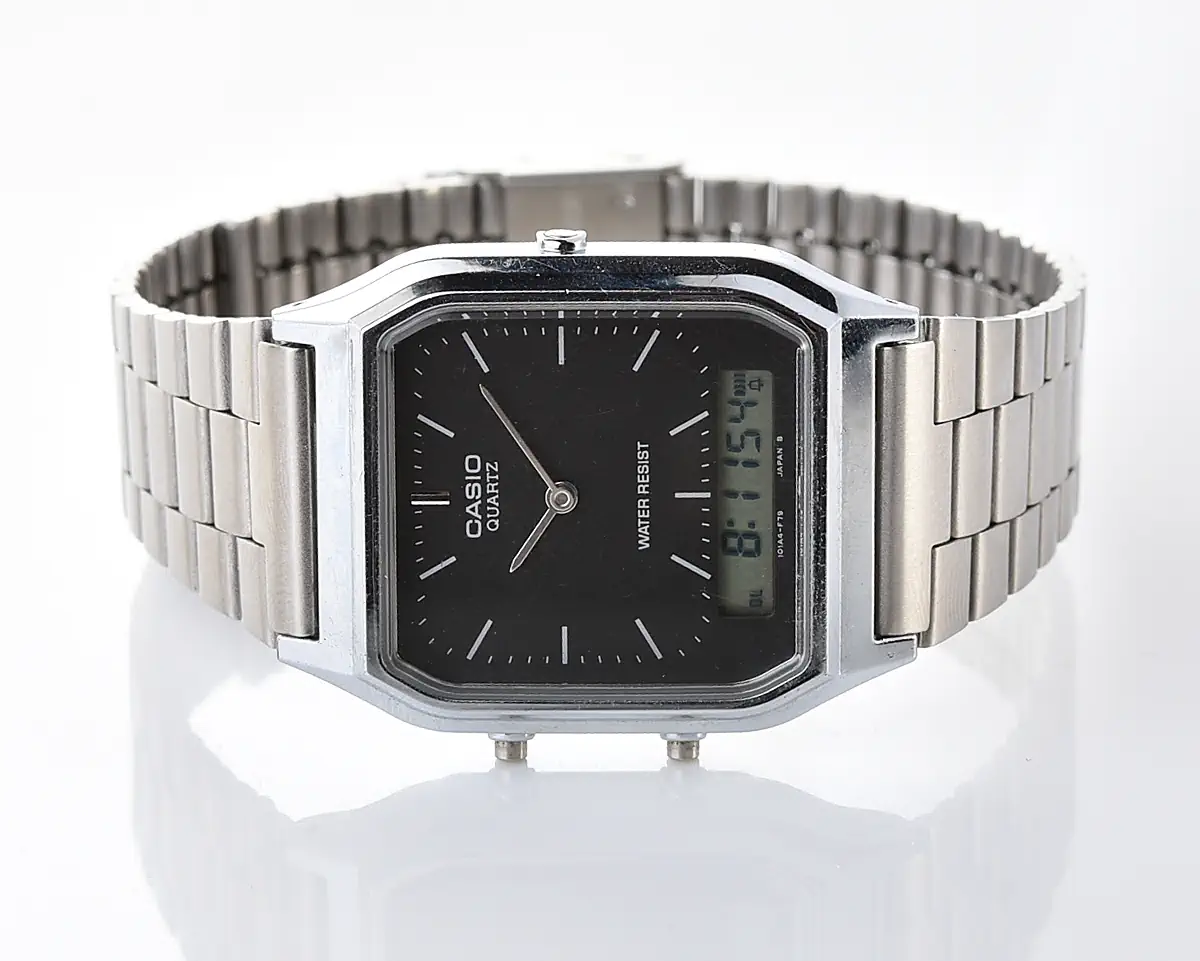
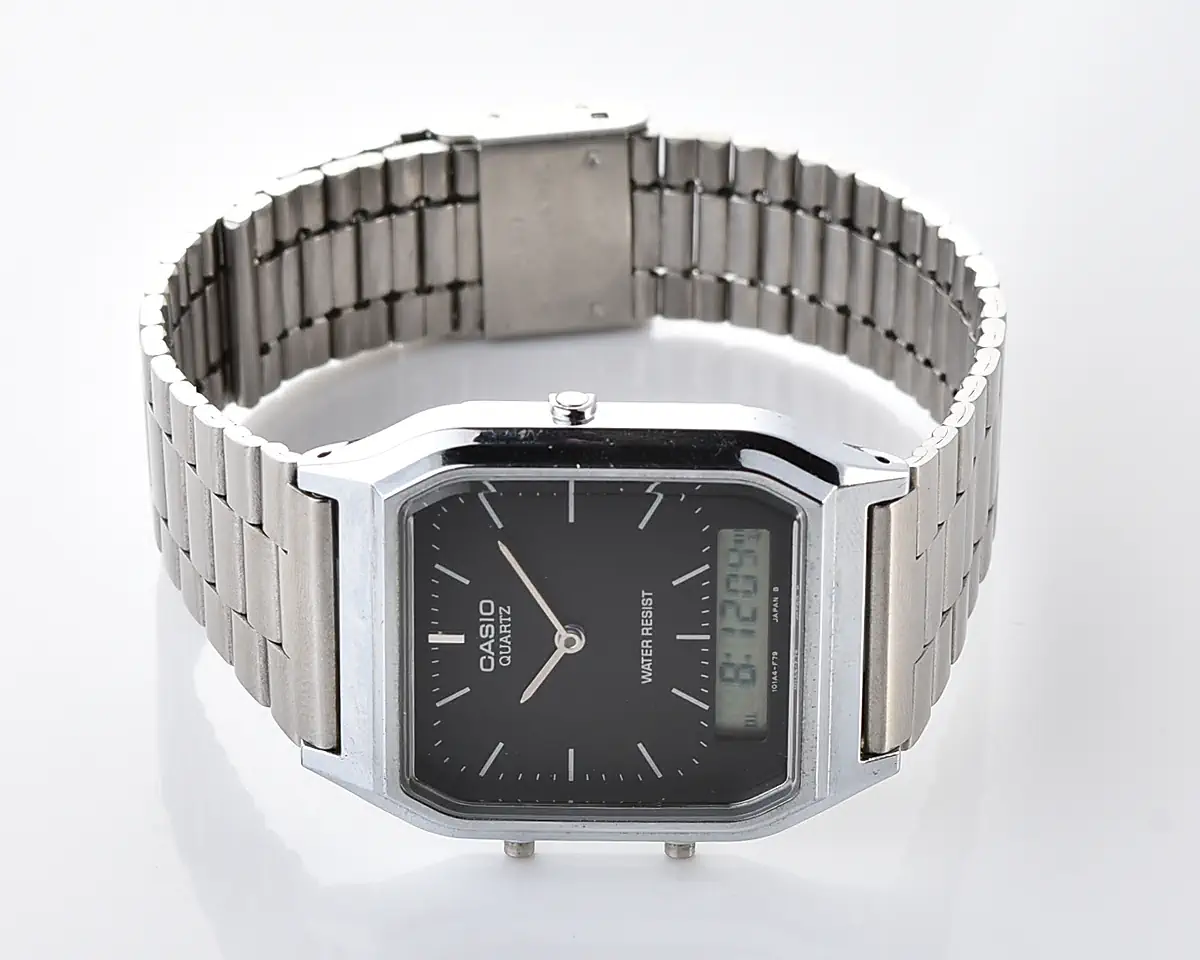
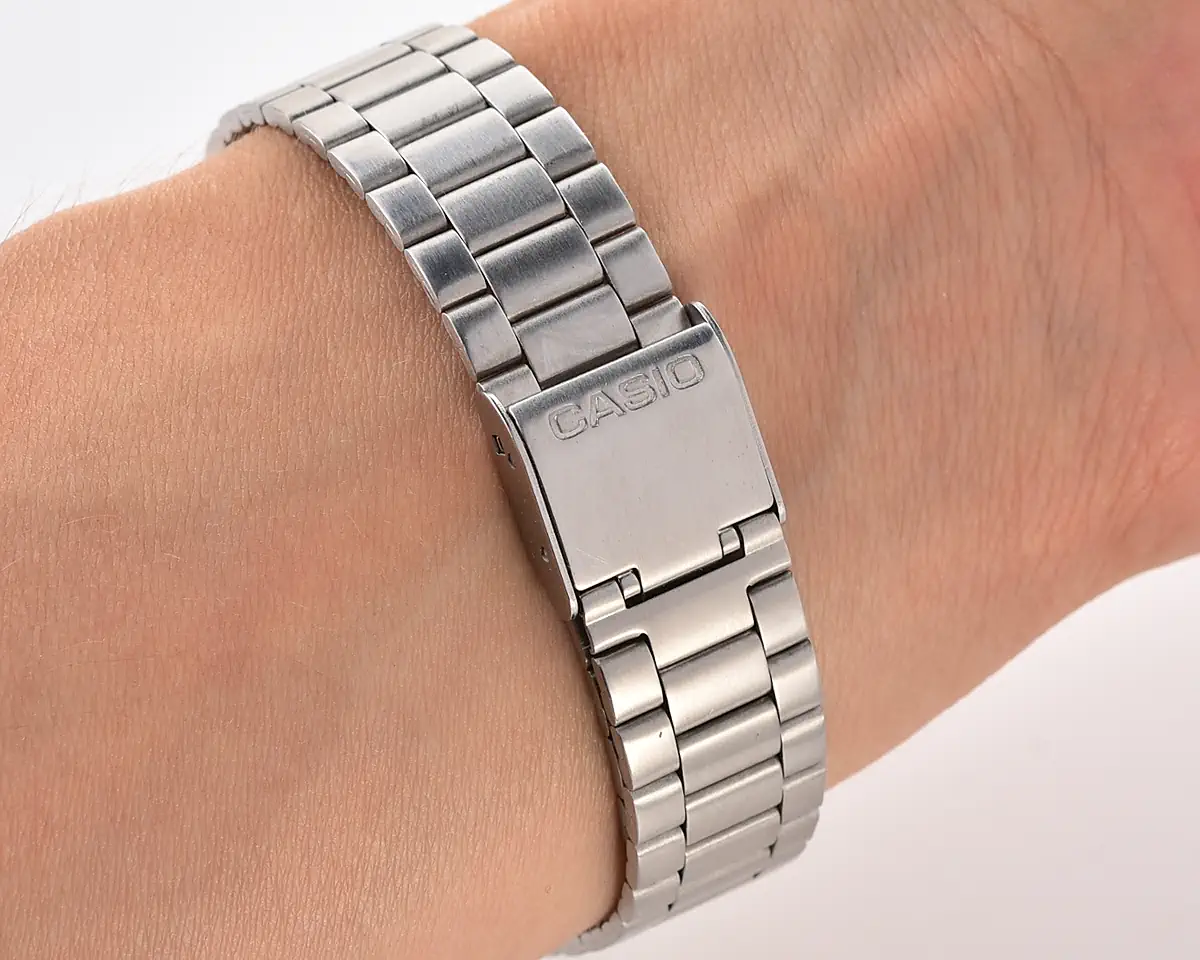
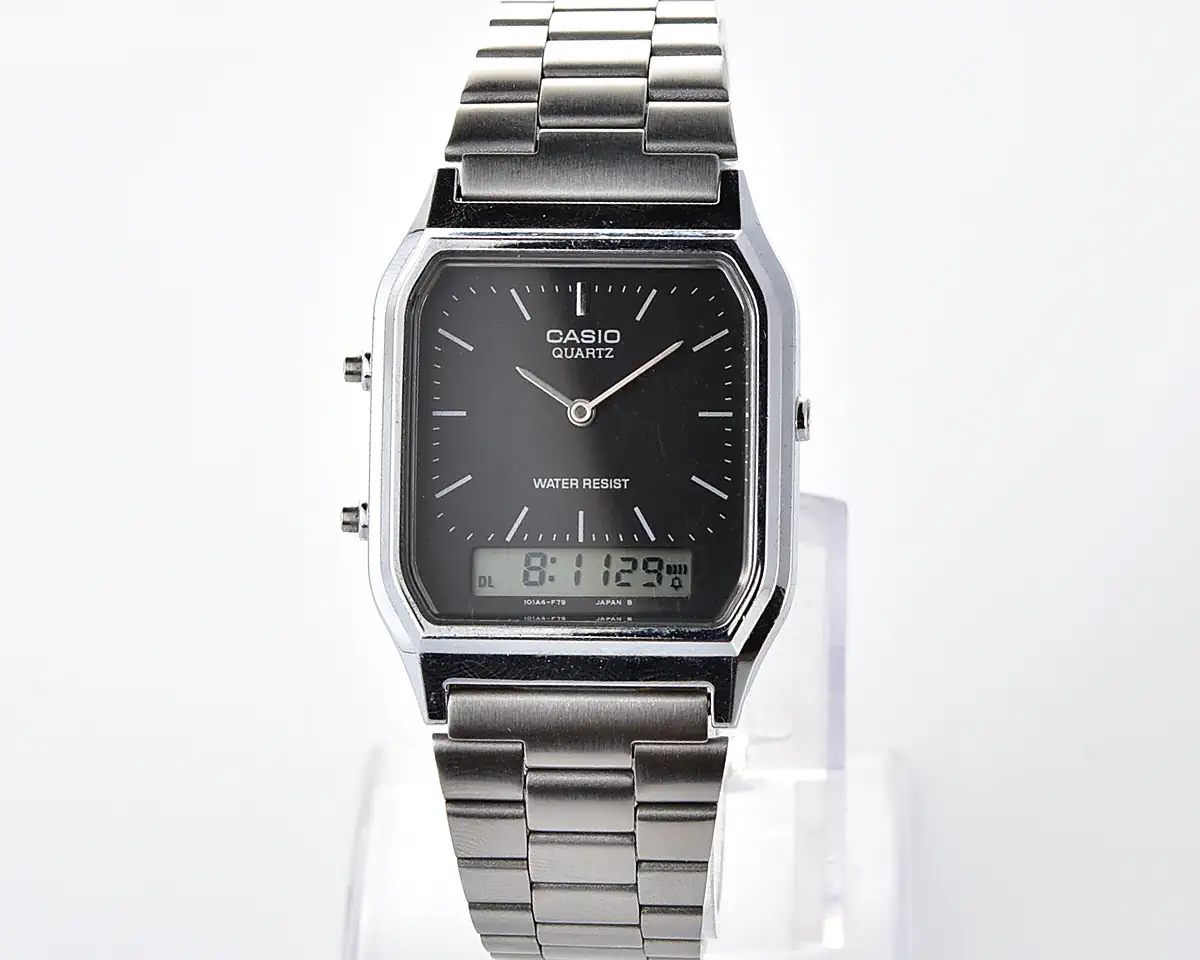
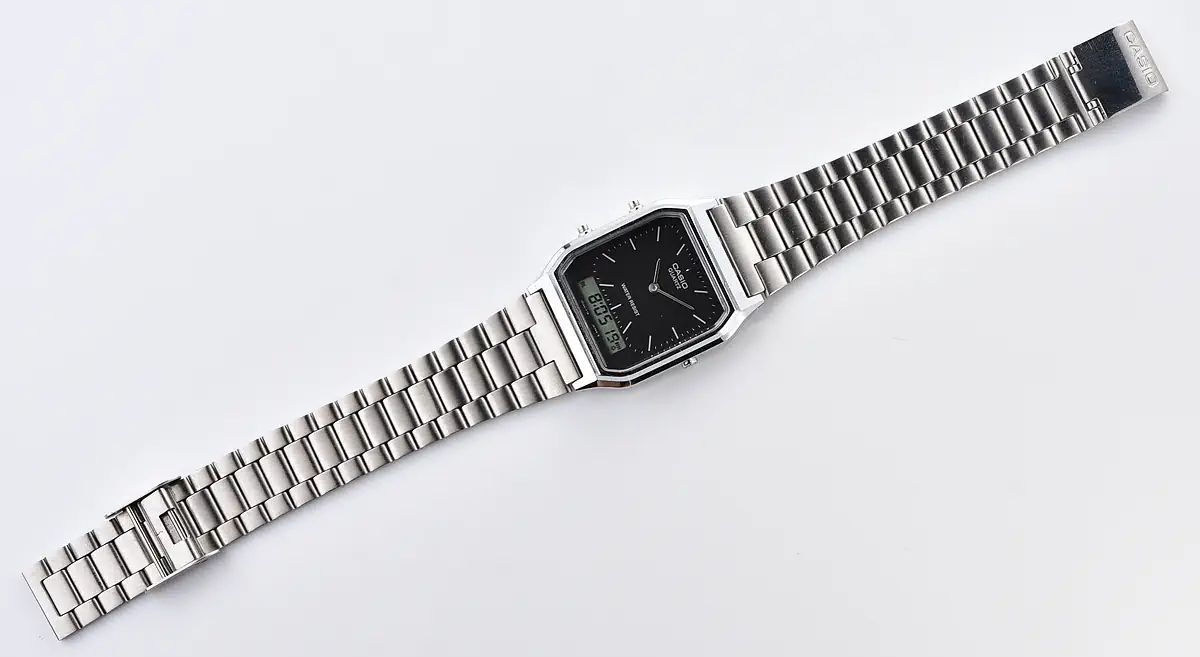
The dial is matte black with fine silver printed batons, a full minute track, CASIO QUARTZ under twelve and WATER RESIST across the centre, with the LCD window let into the lower third. The dial foot code reads 101A4-F79 · JAPAN B. Above it sit two hands only — hour and minute, set from the crown at three; the two pushers on the left flank drive the digital half. The case is bright chrome with cut octagonal corners and a stepped inner bezel. It arrives on its original Casio bracelet: flat brick links, a fold-over clasp stamped CASIO, and end pieces marked S-519N.
Technical Specifications
- Brand: Casio
- Line: AQ (analog-digital combination)
- Model Reference: AQ-230
- Movement: Quartz, combination analog + digital — two hands plus LCD
- Module: 1301 (the AQ-230’s original module; current production uses module 5154)
- Battery: Two cells — SR920W and CR1616
- Functions: Timekeeping, dual time, daily alarm with hourly time signal, stopwatch to 59:59
- Era: Late 1980s – 1990s production
- Case Material: Chrome-plated case with stainless steel case-back
- Case Size: Approx. 38.8 × 29.8 mm, 8.1 mm thick (published figures for the AQ-230 — not caliper-measured)
- Dial: Matte black with silver printed batons; LCD window in the lower third; dial code 101A4-F79 · JAPAN B
- Crystal: Resin glass (Casio’s standard for the AQ-230)
- Case-back: Stainless steel, snap-fit — marked CASIO · 1301 · AQ-230 · WATER RESISTANT · JAPAN MOV’T Y · CASED IN MALAYSIA
- Bracelet: Original Casio steel bracelet, fold-over clasp signed CASIO, end pieces stamped S-519N
- Country of Manufacture: Japanese movement, cased in Malaysia
Condition Report
Cosmetically strong for its age and price class. The dial is excellent — matte black and even, with no fading, staining or lifted printing; the silver batons and the minute track are crisp throughout. The LCD is clear and fully legible, with no bleed, dead segments or edge darkening, and it is visibly running: the digital seconds advance from frame to frame across our photographs.
The chrome case is bright, with the plating intact across the bezel, the flanks and the cut corners — light handling marks under raking light, but no flaking, pitting or brassing. The crystal carries a few shallow surface hairlines, easiest to see at an angle across the upper half; they do not interfere with reading the dial. The case-back shows the usual field of fine scratches from a working life, while the engraving remains deep and completely legible.
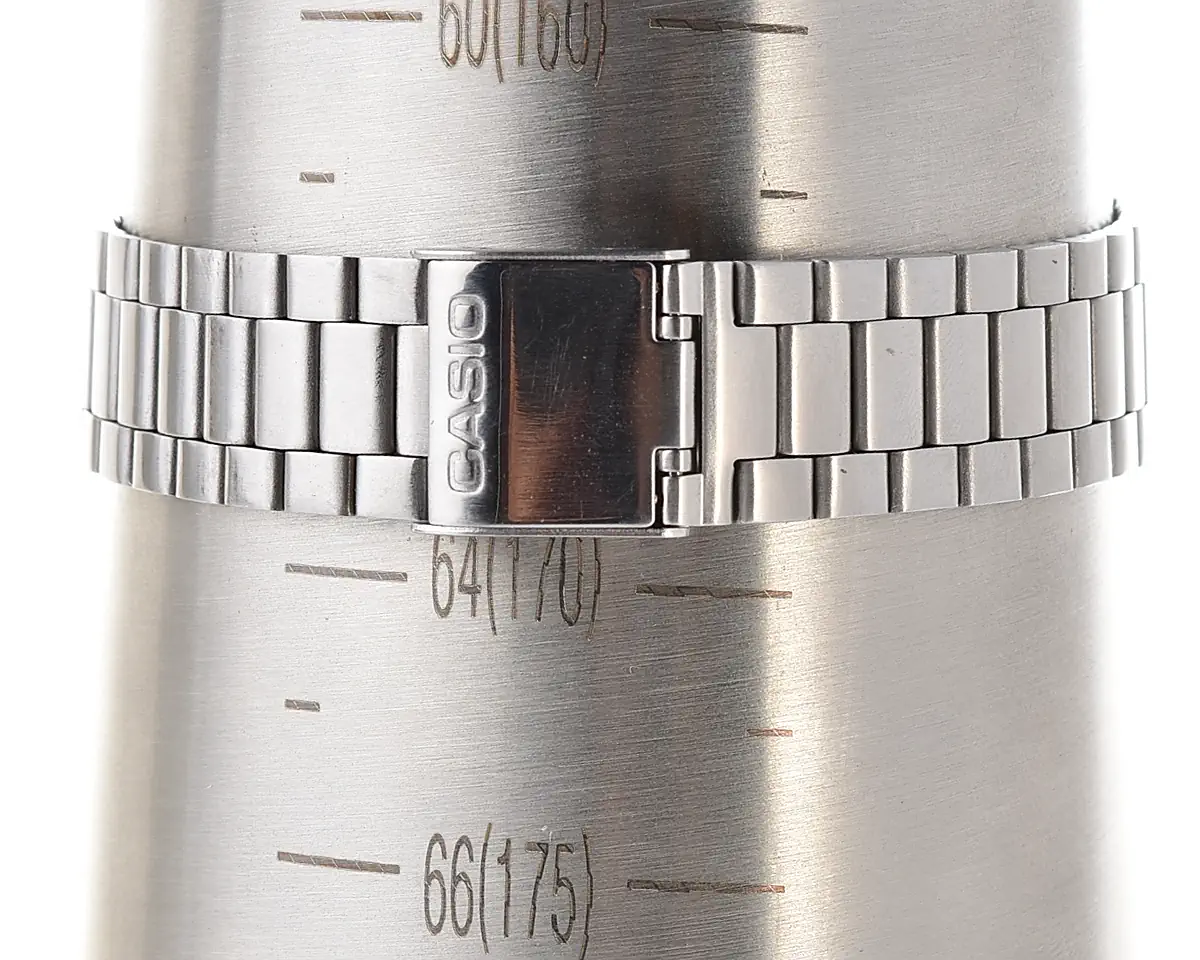
The original Casio bracelet is complete, holds its shape, and the fold-over clasp closes firmly; the CASIO stamping on the clasp is clear. As shown against the measuring cylinder in the product images, the bracelet as currently sized closes at approximately 170 mm — please check that against your own wrist before ordering.
This watch has recently been serviced by a professional watchmaker and keeps good time.
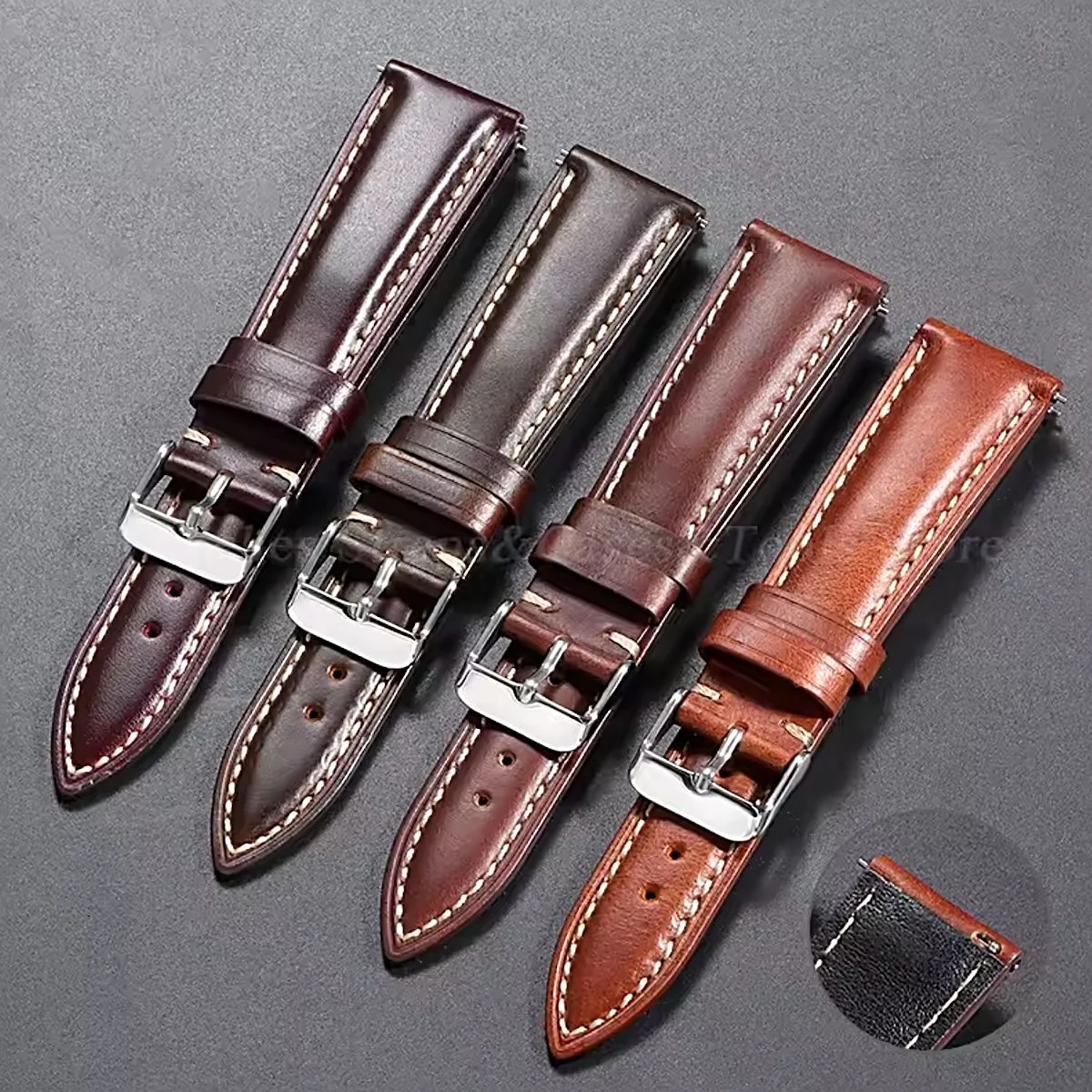
Comes complete with original steel bracelet*. (*)Note: Stock bracelets are often shortened by previous owners and may not fit you(see bracelet size in the product images). We recommend adding a new lug width matched leather strap with your order.
This watch ships from 🇺🇦 Ukraine with tracking number
Why Collectors Want This Watch Today
The AQ-230 is one of the very few watches you can buy brand new today and also find as a genuine period piece — and the gap between the two is exactly what makes this one worth owning. Current production runs module 5154 on a single battery, cased in China or Thailand. This example runs module 1301, the original two-battery module, and its case-back reads CASED IN MALAYSIA. Same silhouette, older hardware.
None of which makes it rare, and we are not going to pretend otherwise: Casio built these in very large numbers and they turn up regularly. What this one is, is honest — an early, unmolested example of a design good enough that Casio never had to redraw it, on its own signed bracelet, serviced and running, priced on what it is rather than on hype.
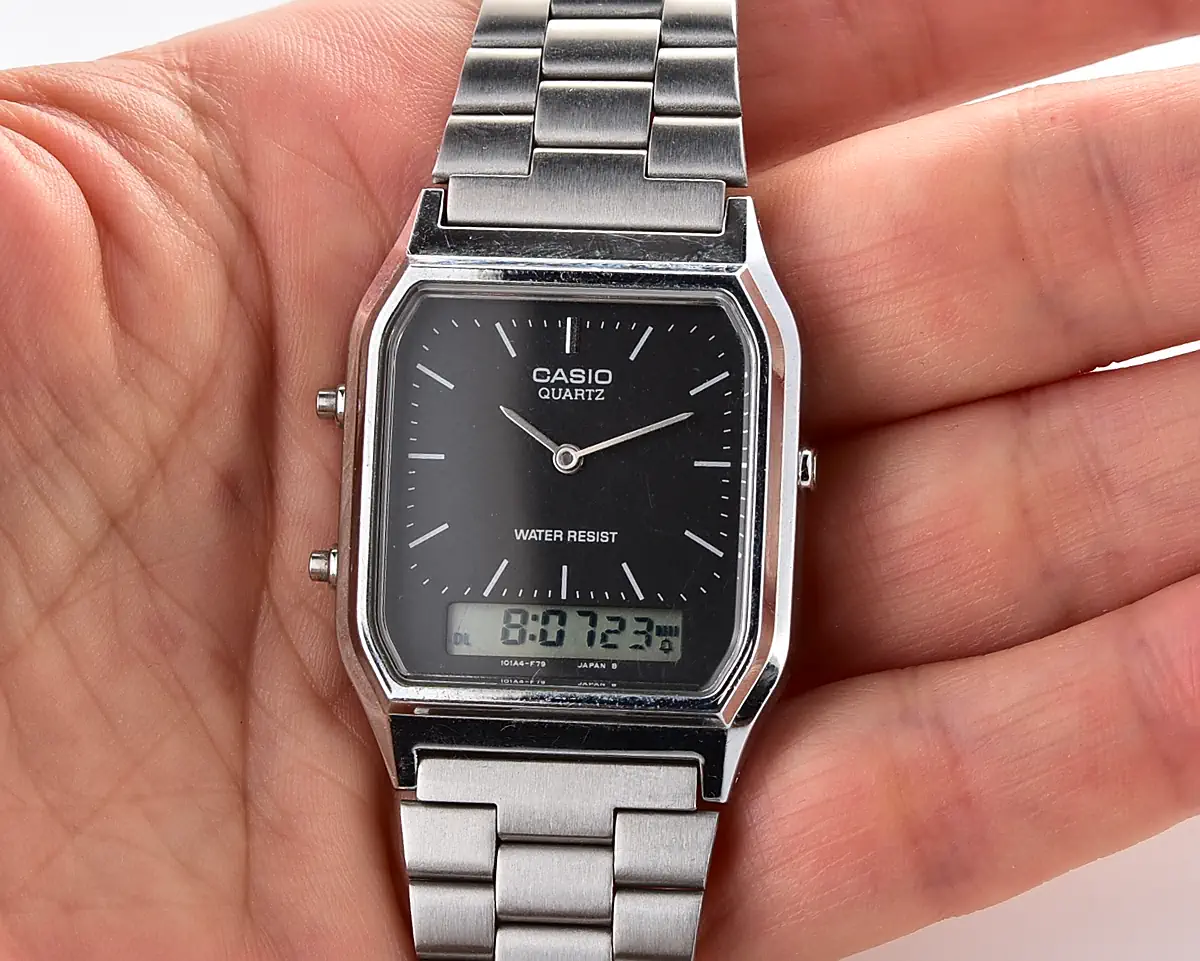
It also wears beautifully. At roughly 39 × 30 mm and 8 mm thick it slips under a cuff the way a 1980s dress watch is supposed to, and the black dial keeps the whole thing quiet — the ana-digi trick only shows itself when somebody looks twice.
Modes of payment:
- PayPal
- Credit Cards (VISA, MasterCard, American Express, Discover)
- bitcoin
We guarantee the item you receive looks and works exactly as advertised — or your money back.
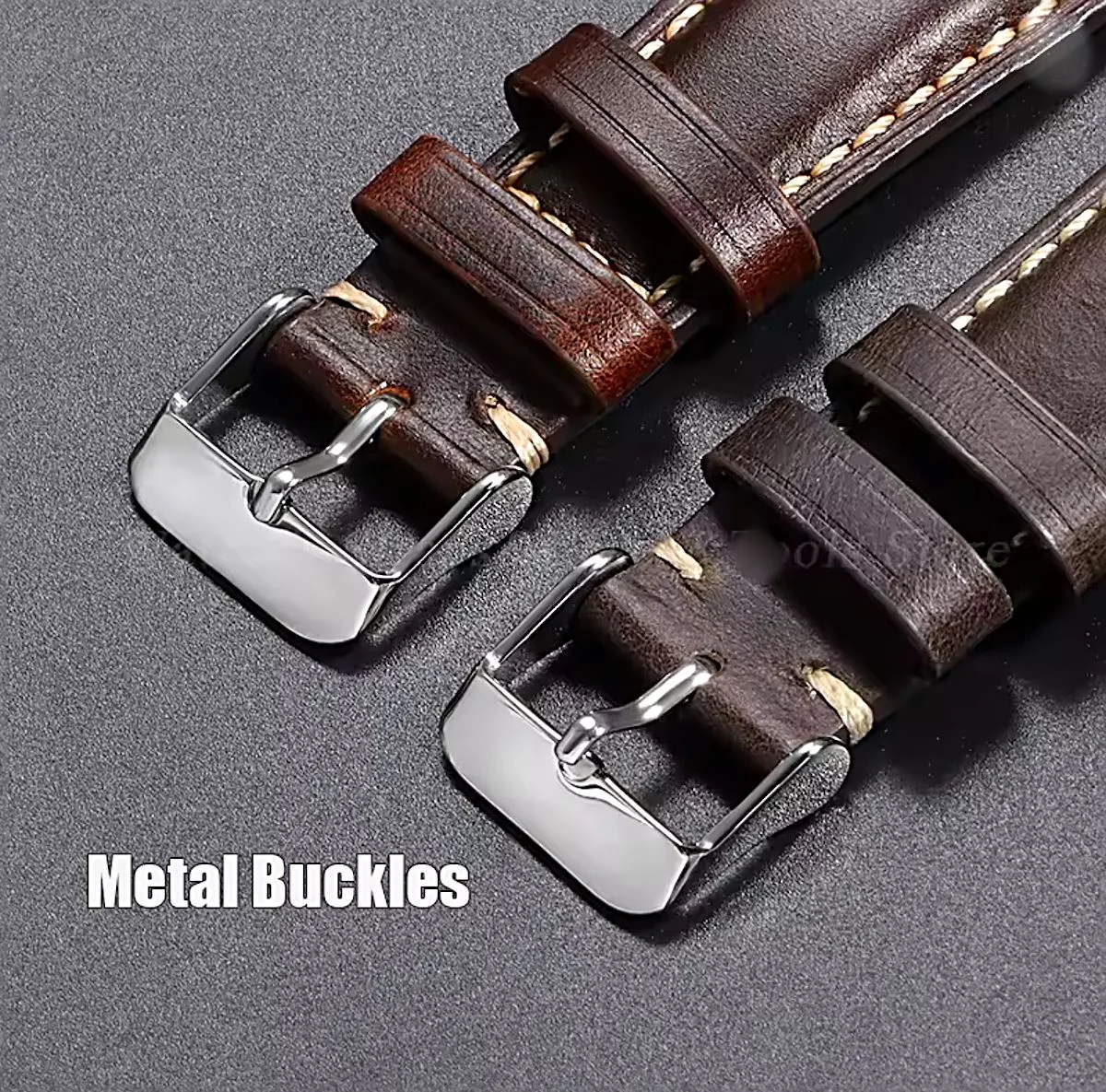
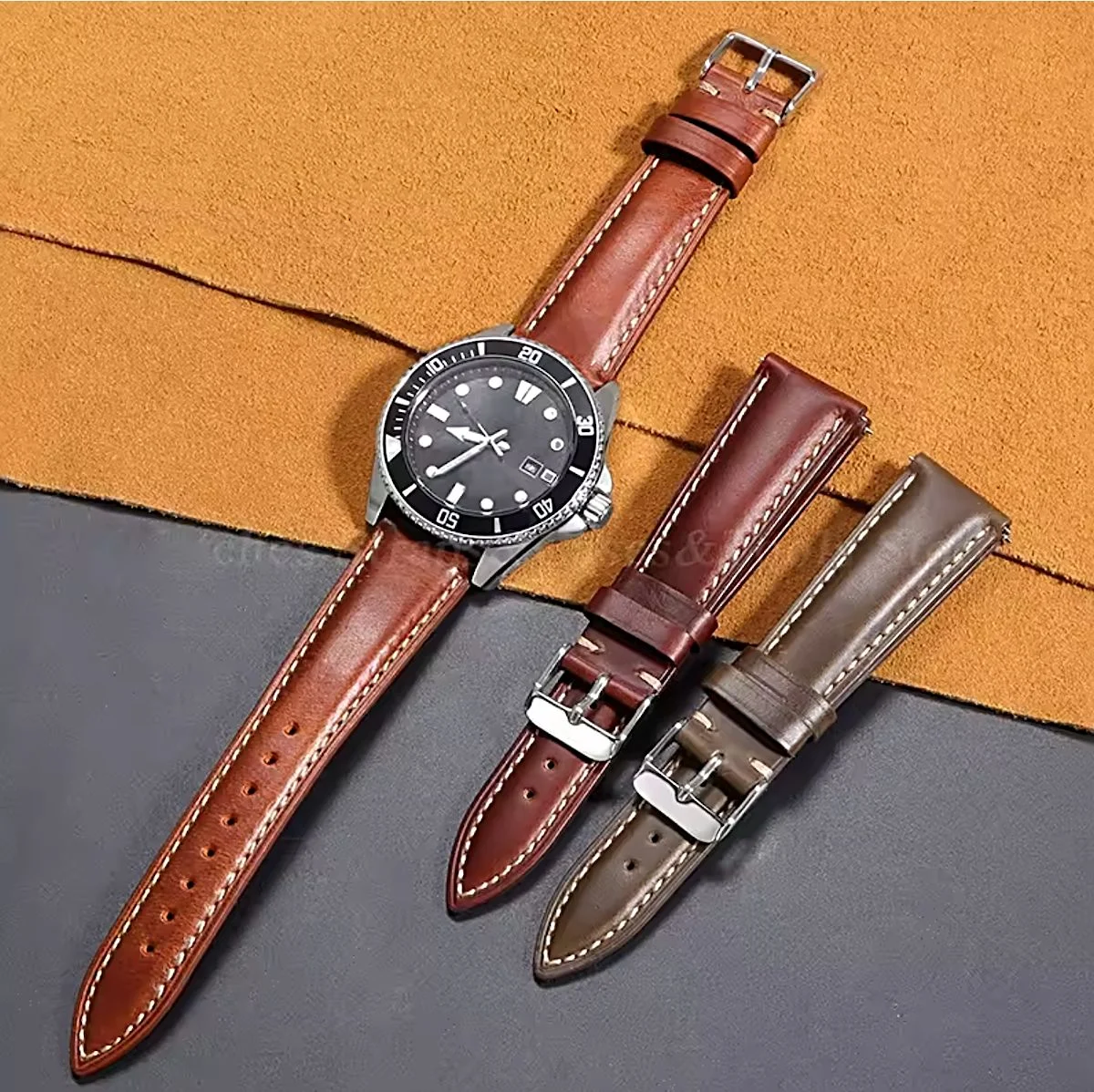
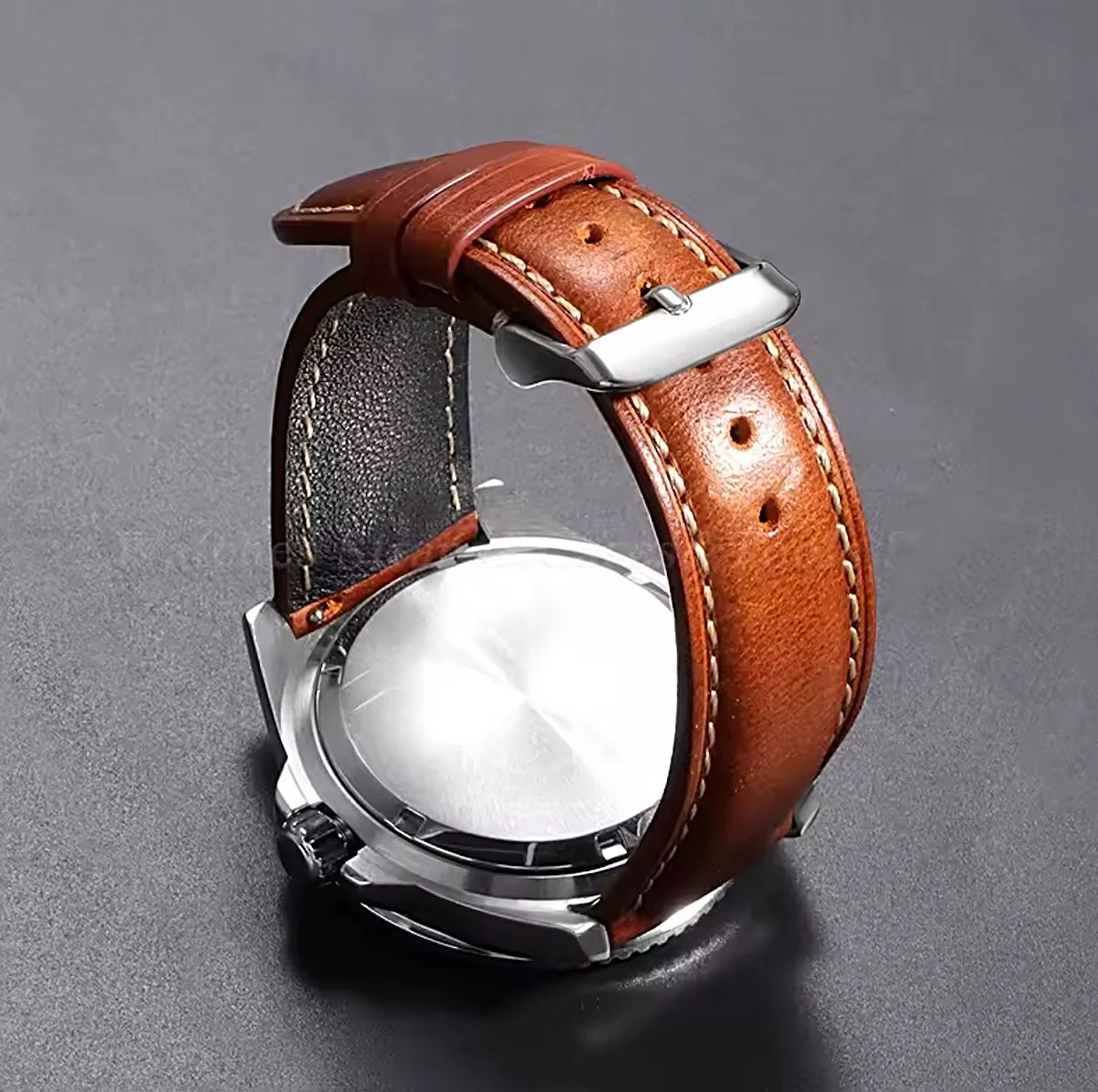
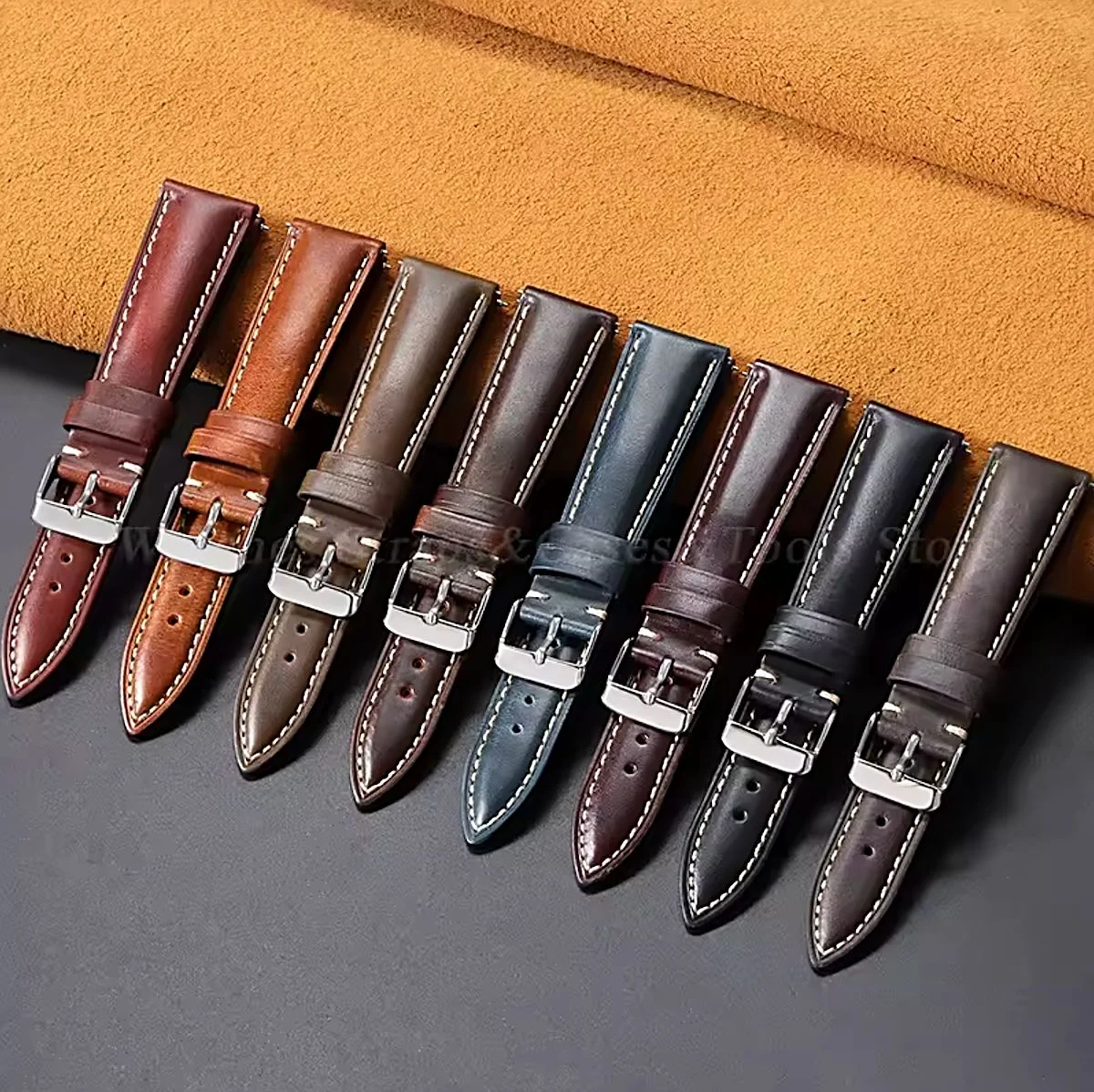
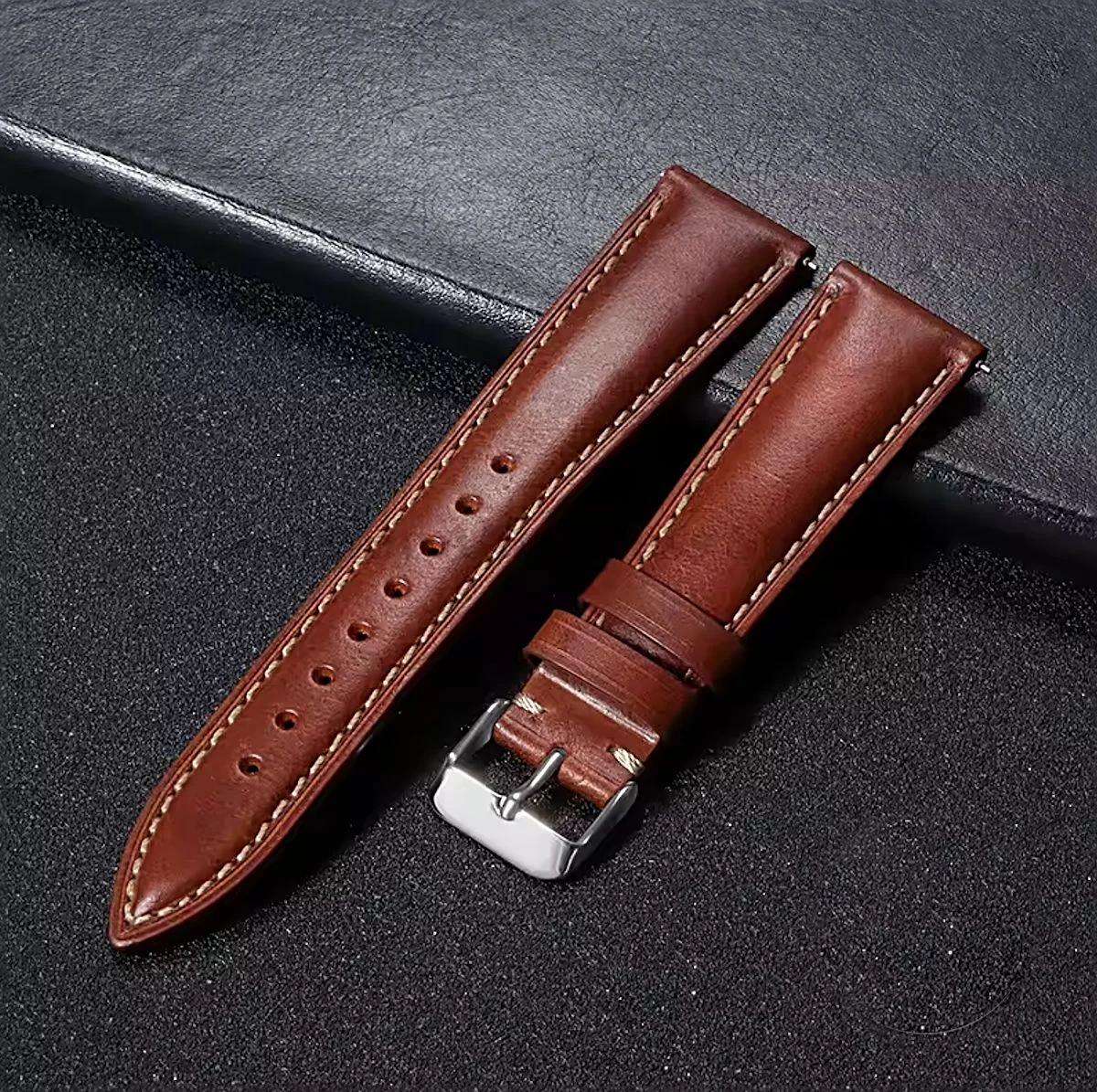
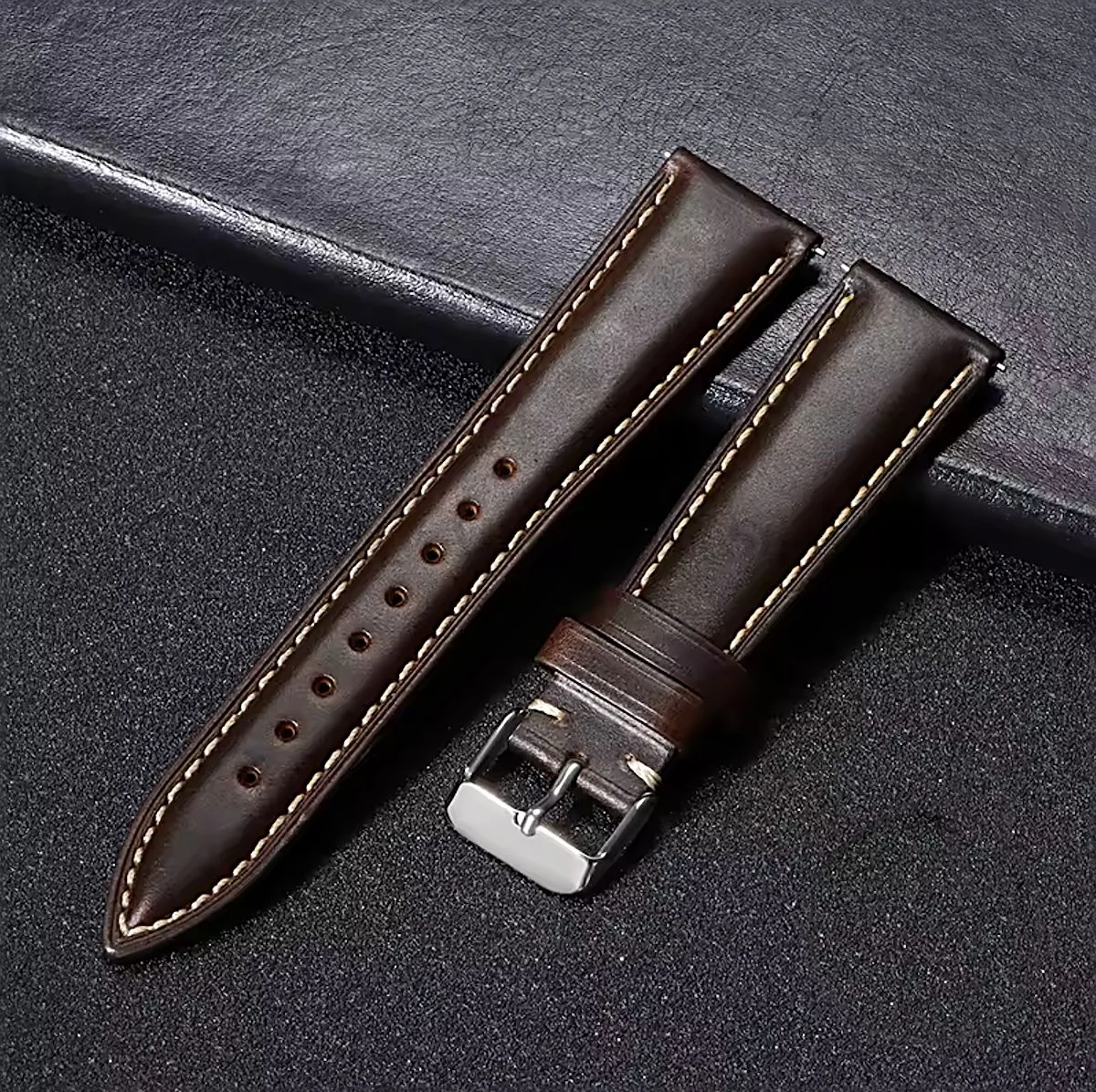
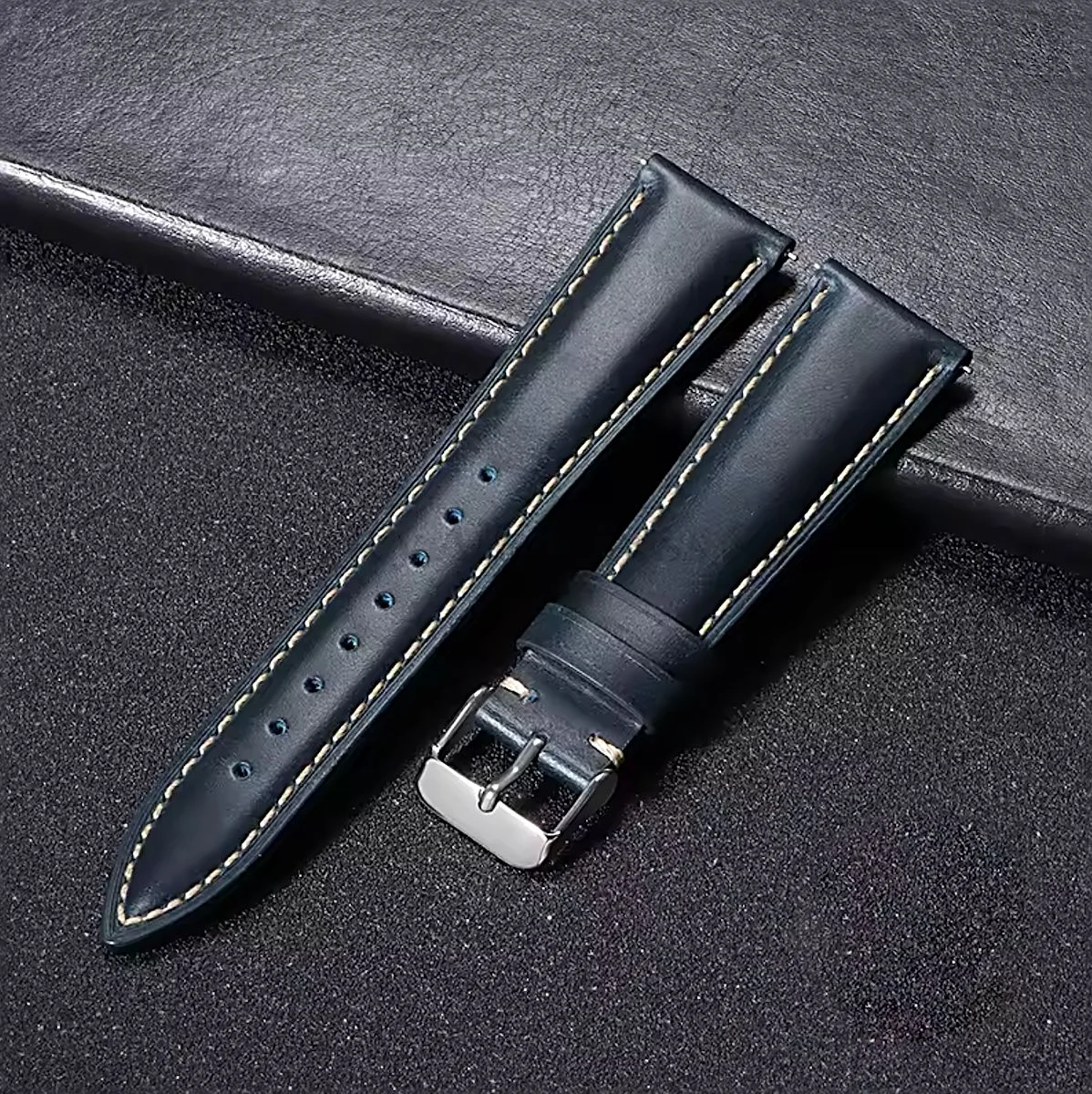
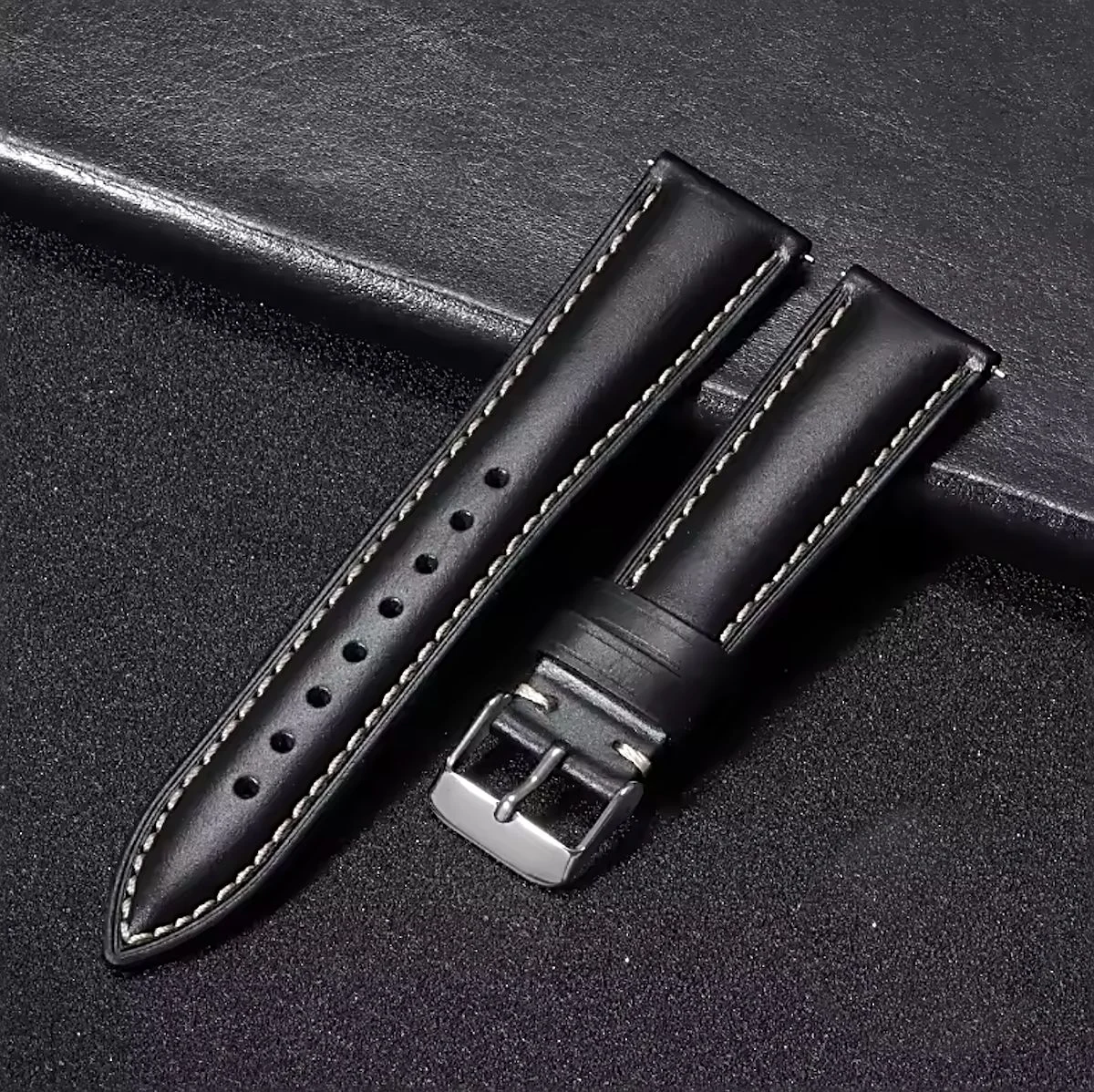
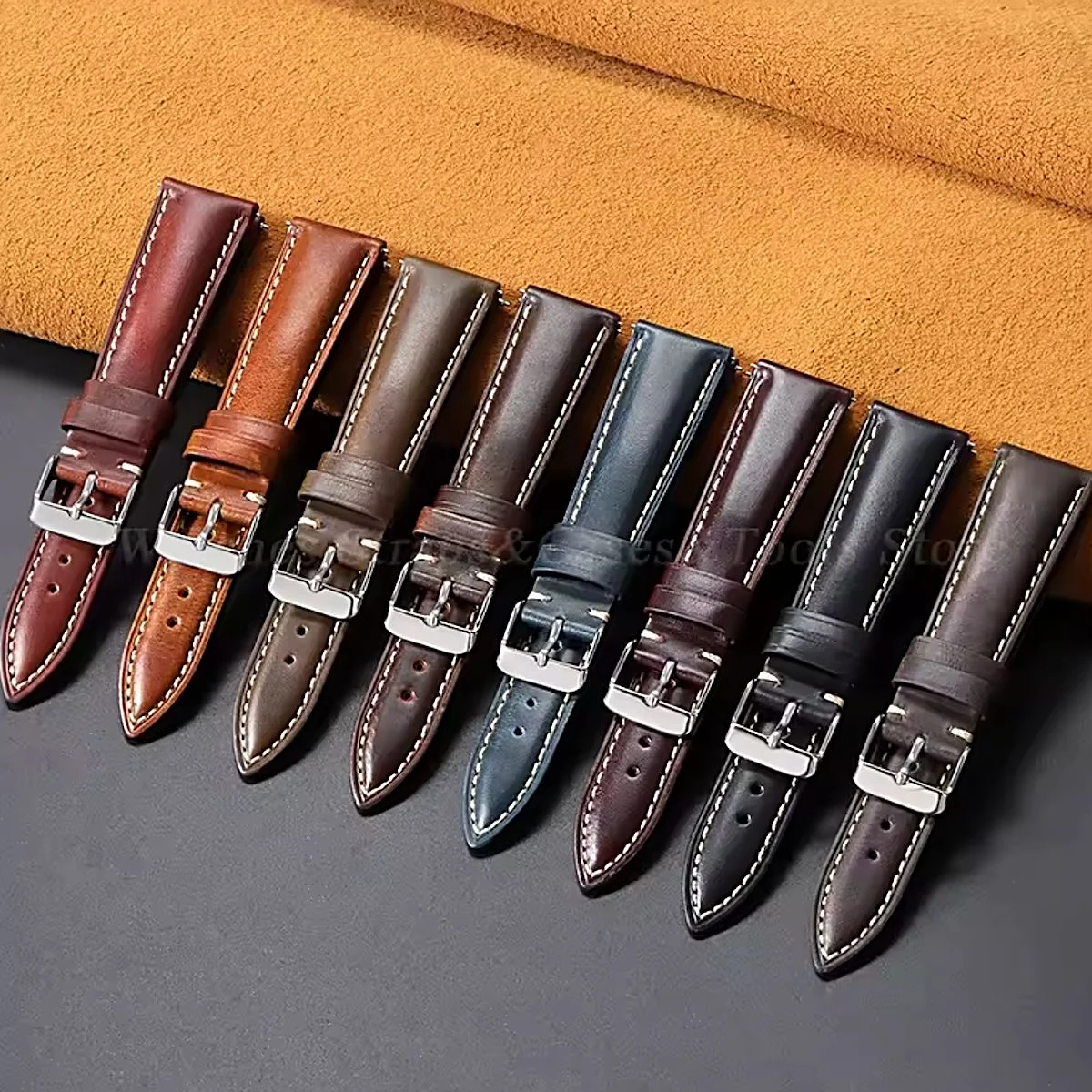
Lug width matched leather straps: 18mm - 19mm - 20mm
About the watch factory

Casio Computer Co., Ltd. (カシオ計算機株式会社, Kashio Keisanki kabushiki gaisha) grew out of a small Tokyo workshop founded by Tadao Kashio in April 1946, and was formally established in June 1957 — the year the four Kashio brothers launched the 14-A, the world’s first compact all-electric calculator. Calculators, digital cameras, musical instruments, and watches followed, all built on the same idea: take something mechanical, rethink it electronically, and make it affordable to everyone.
Casio entered watchmaking in 1974 with the Casiotron — the first digital wristwatch with a fully automatic calendar — and never looked back. The G-Shock (1983) made the company a global icon of toughness, while the humble F-91W became arguably the most-worn watch in human history. Today Casio’s watch operations are anchored by the Hamura R&D Center outside Tokyo and the Yamagata Casio factory in northern Japan — the company’s “mother factory,” running since 1979 — while high-volume classics like the MTP analog series pair Japanese-made movements with efficient assembly plants in China, keeping the watches honest, dependable, and affordable.
From the Casiotron to the G-Shock to the office three-hander, Casio’s place in horological history is secure: no company did more to put reliable timekeeping on every wrist on Earth.