Description
SEIKO vintage mechanical watch
MADE IN JAPAN
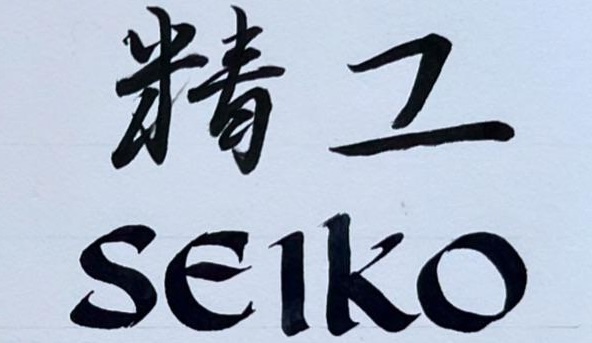
“Seiko” (精工) is a Japanese word meaning “precision,” “exquisite workmanship,” or “refined craftsmanship.”
It comes from the characters:
- 精 (sei) – fine, precise, refined
- 工 (ko) – craft, workmanship
Originally, Seiko‘s watchmaking division was called Seikosha (精工舎), meaning “House of Precision.”
In 1924 the company shortened the name to Seiko, keeping the core meaning.
So the brand name literally ties directly to the idea of precision engineering—which is exactly what the company wanted to be known for in its watches.
🕰️ The Sportsmatic line overview
Before the Seiko 5 Sports line existed, there was Sportsmatic — Seiko’s automatic line through the mid-to-late 1960s, and the direct ancestor of everything that followed. Sportsmatic was Seiko’s answer to a simple problem: automatic watches were still seen as a premium feature, and Seiko wanted to put one on the wrist of an ordinary working man without the ordinary price tag.
- The Movement: The line ran on the caliber 7625 family — a 17-jewel automatic movement with date complication, no manual-wind option needed, just wind it by wearing it.
- The Case Design: Sportsmatic cases leaned into the design language of the moment: faceted “cushion” shapes, often called “TV cases” today for their rounded-rectangle silhouette, paired with clean, legible dials.
It’s the line where Seiko worked out the formula — reliability, automatic winding, approachable price — that the Seiko 5 would later formalize and brand more aggressively from 1968 onward.
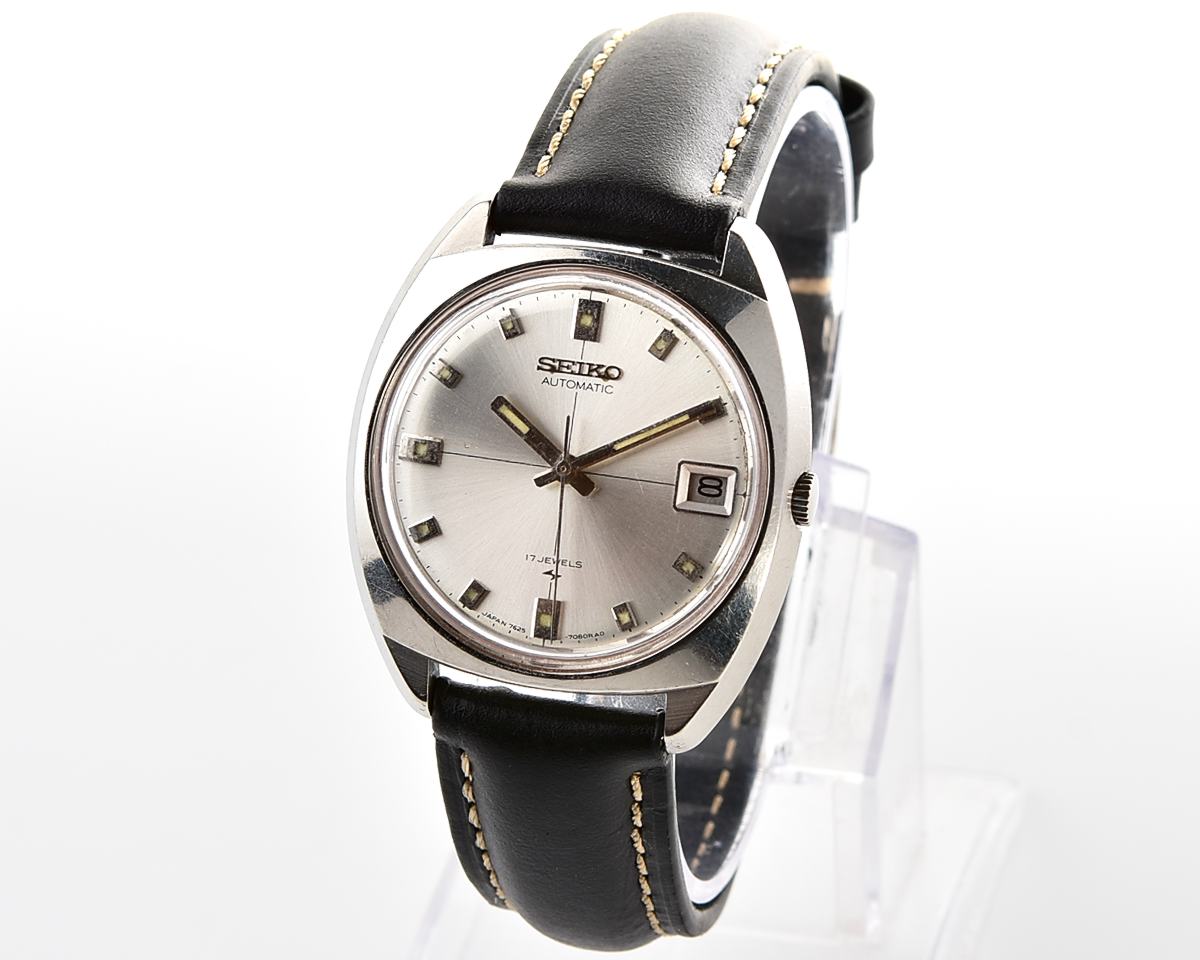
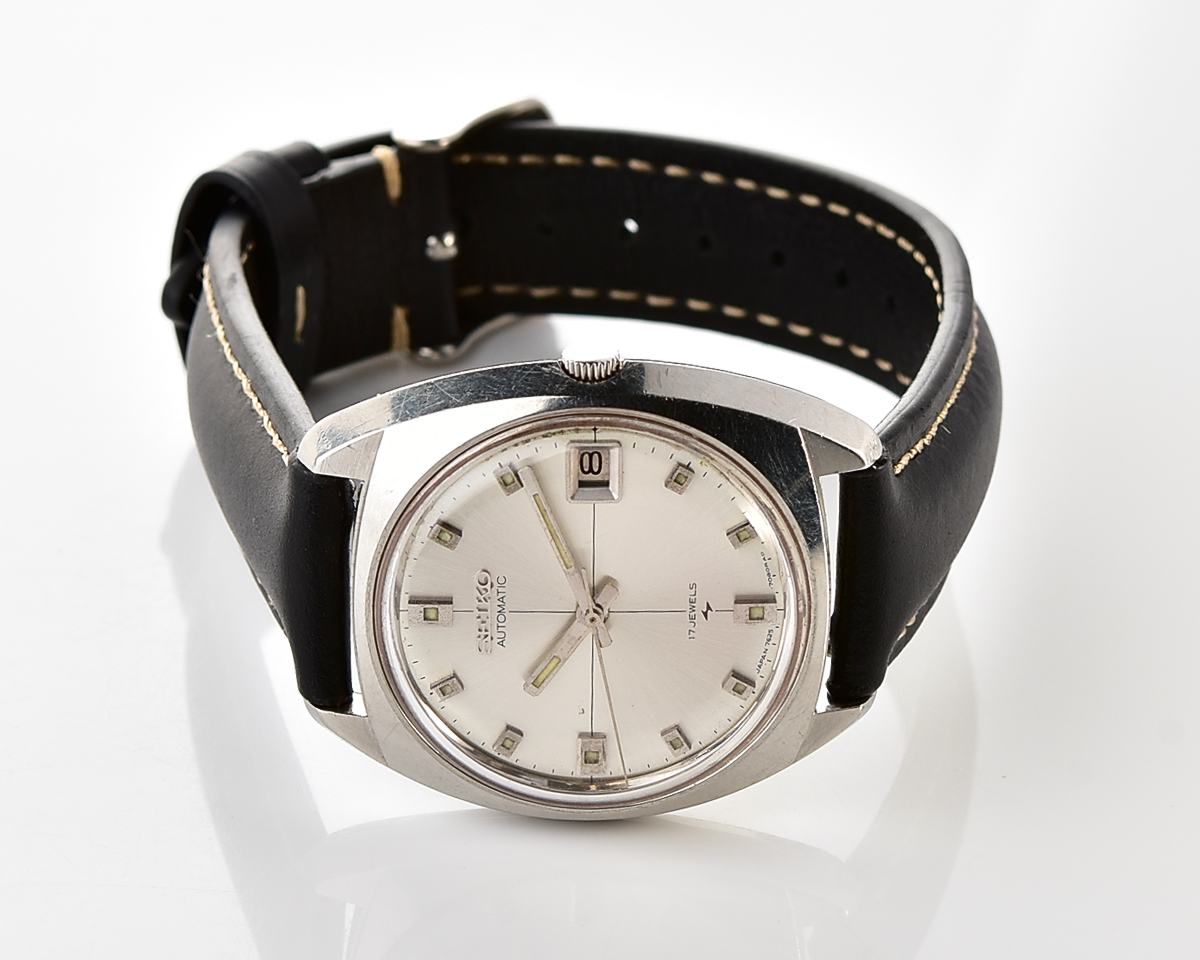
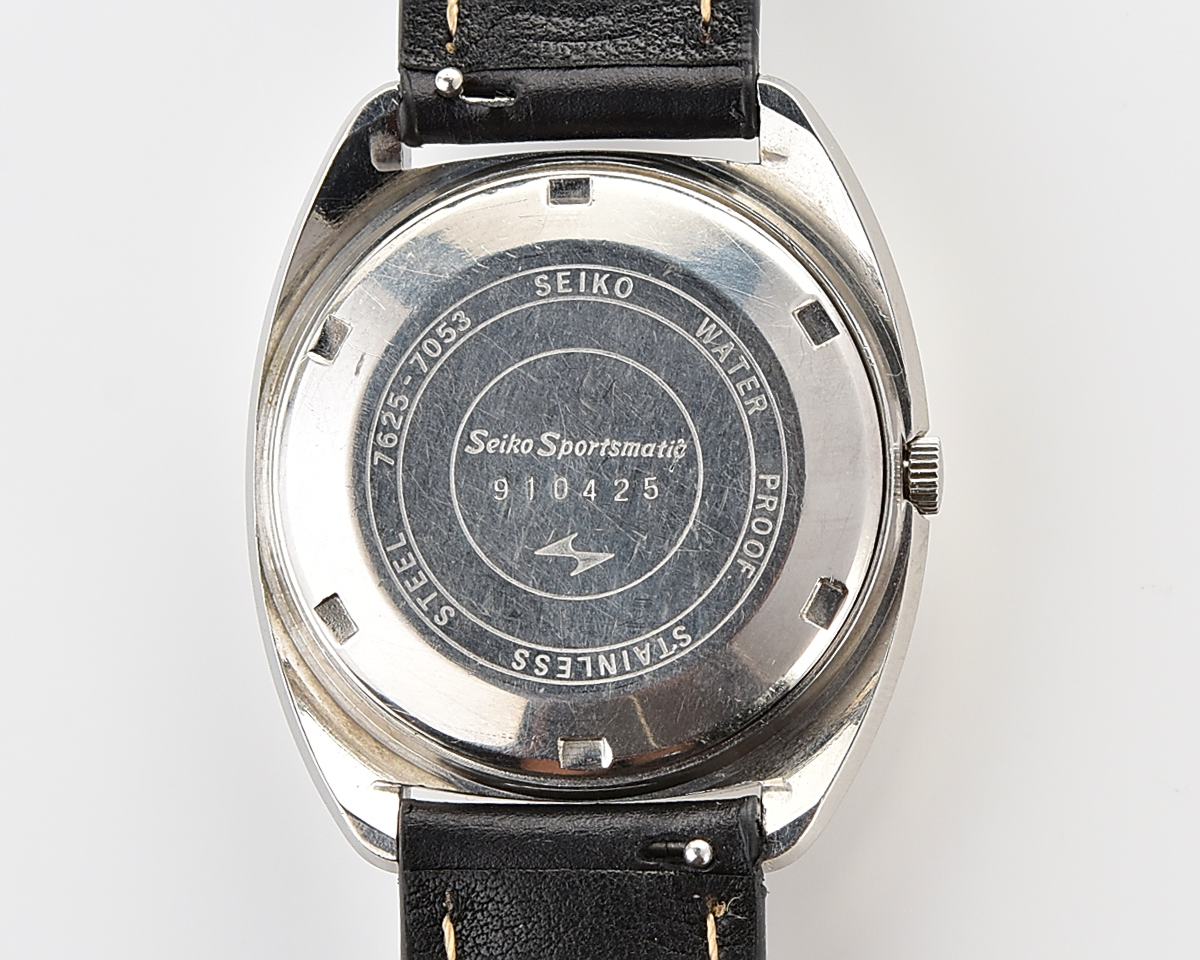
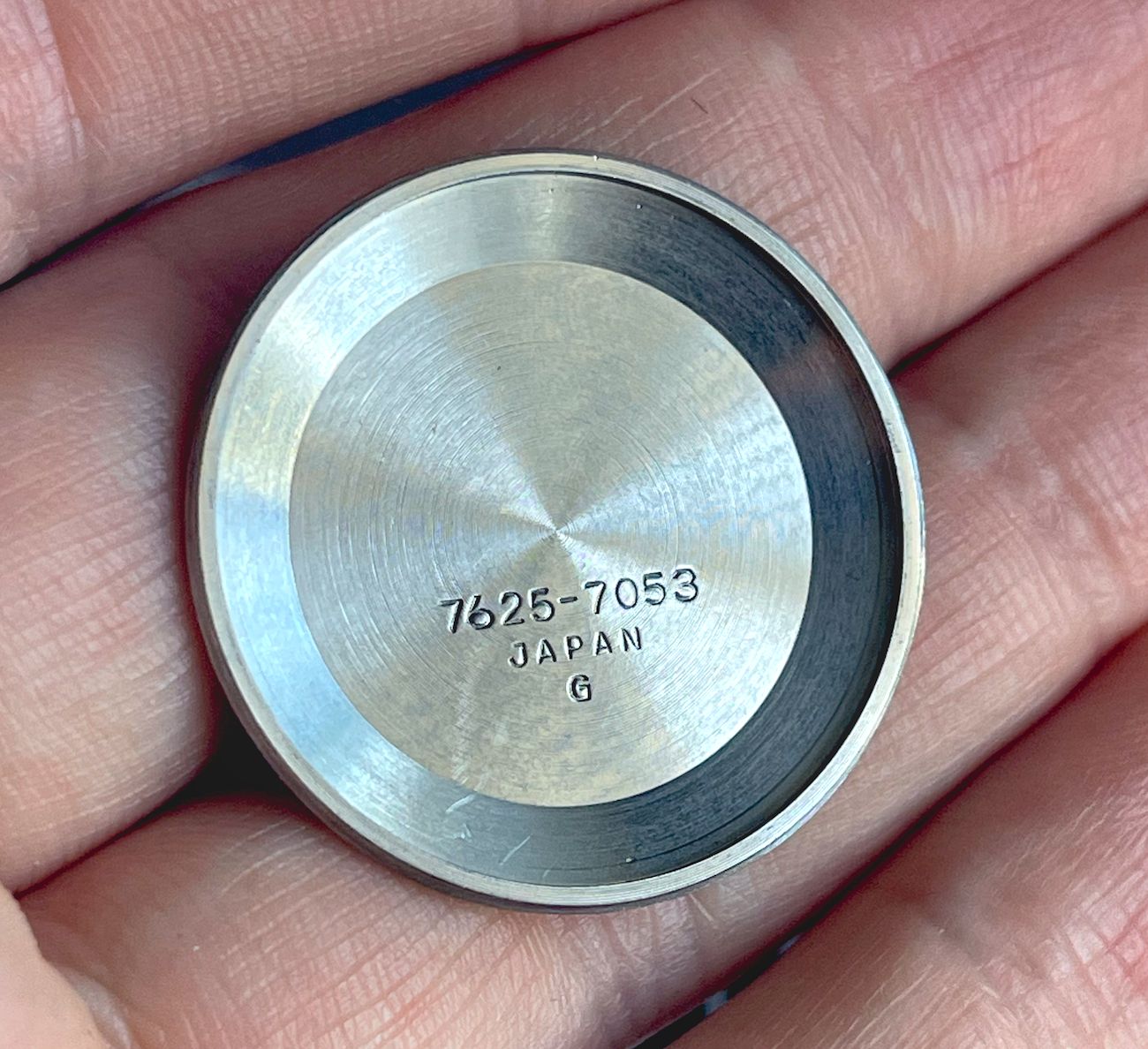
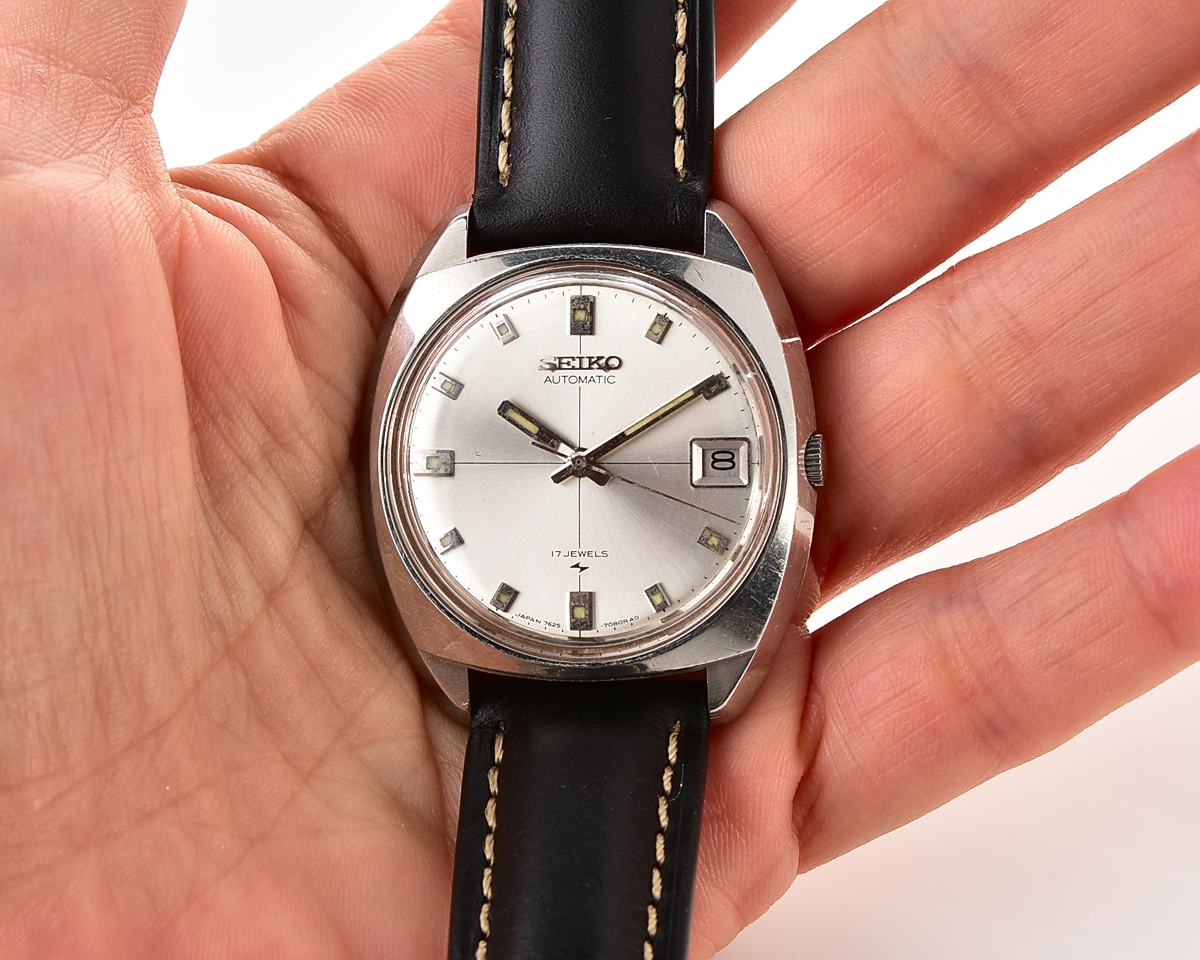
Step back into October 1968 with this Seiko Sportsmatic, reference 7625-7053. This is a watch from the exact period when the cushion case was the shape in men’s watch design worldwide — not a niche revival look, but the mainstream face of a wristwatch in the late ’60s. The case-back serial dates production cleanly to October 1968, putting this piece right at the tail end of the decade that defined Seiko’s automatic ambitions.
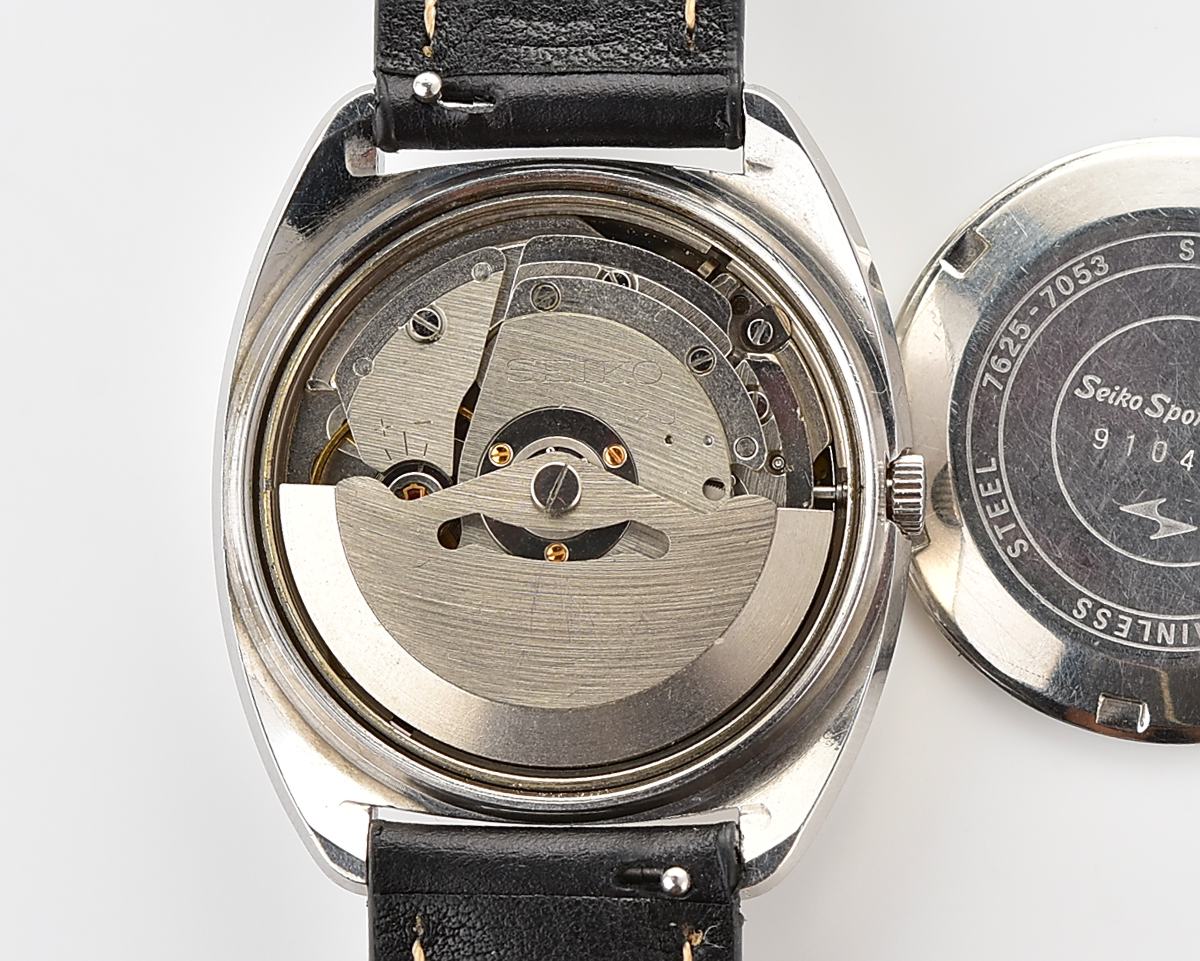
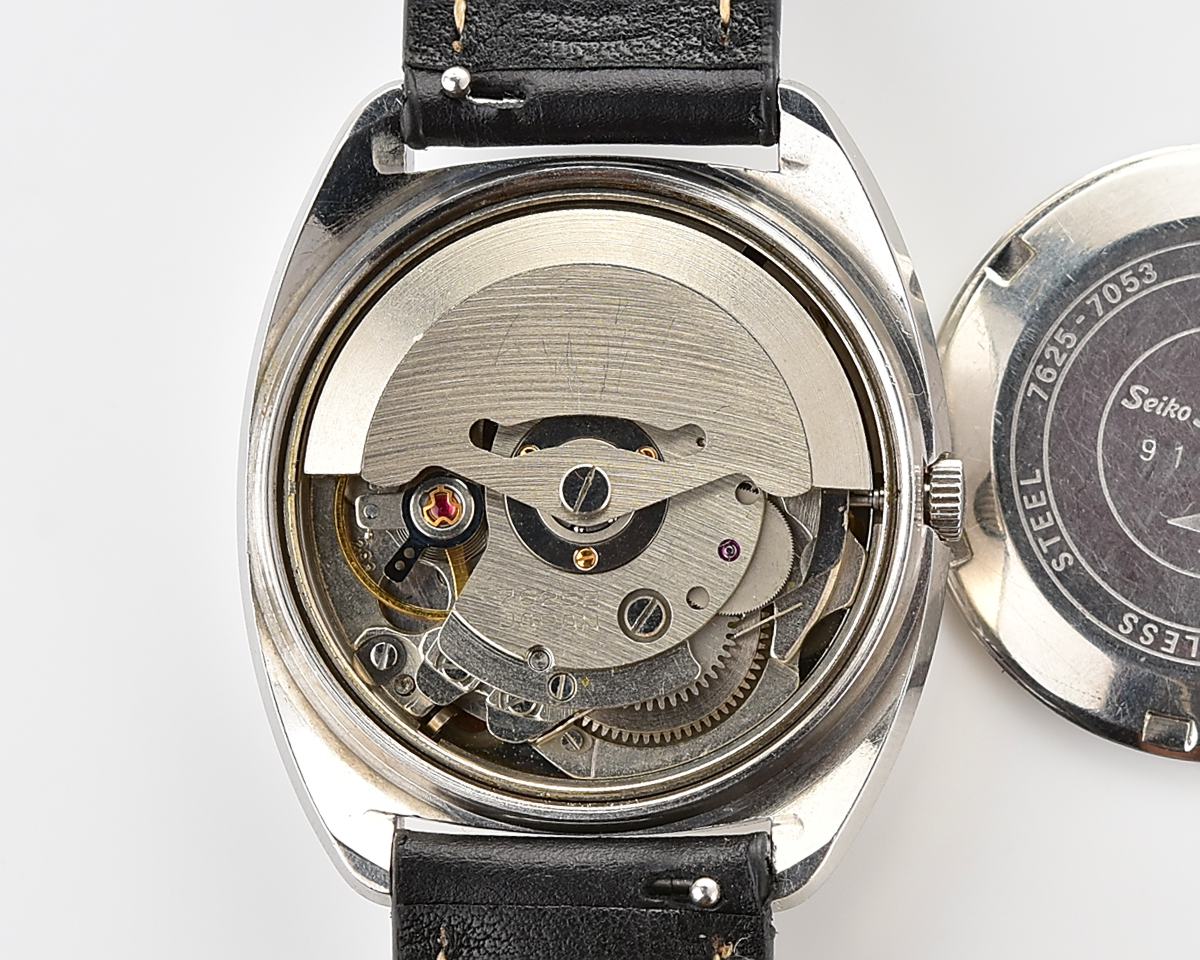
The Heart of the Watch: Caliber 7625
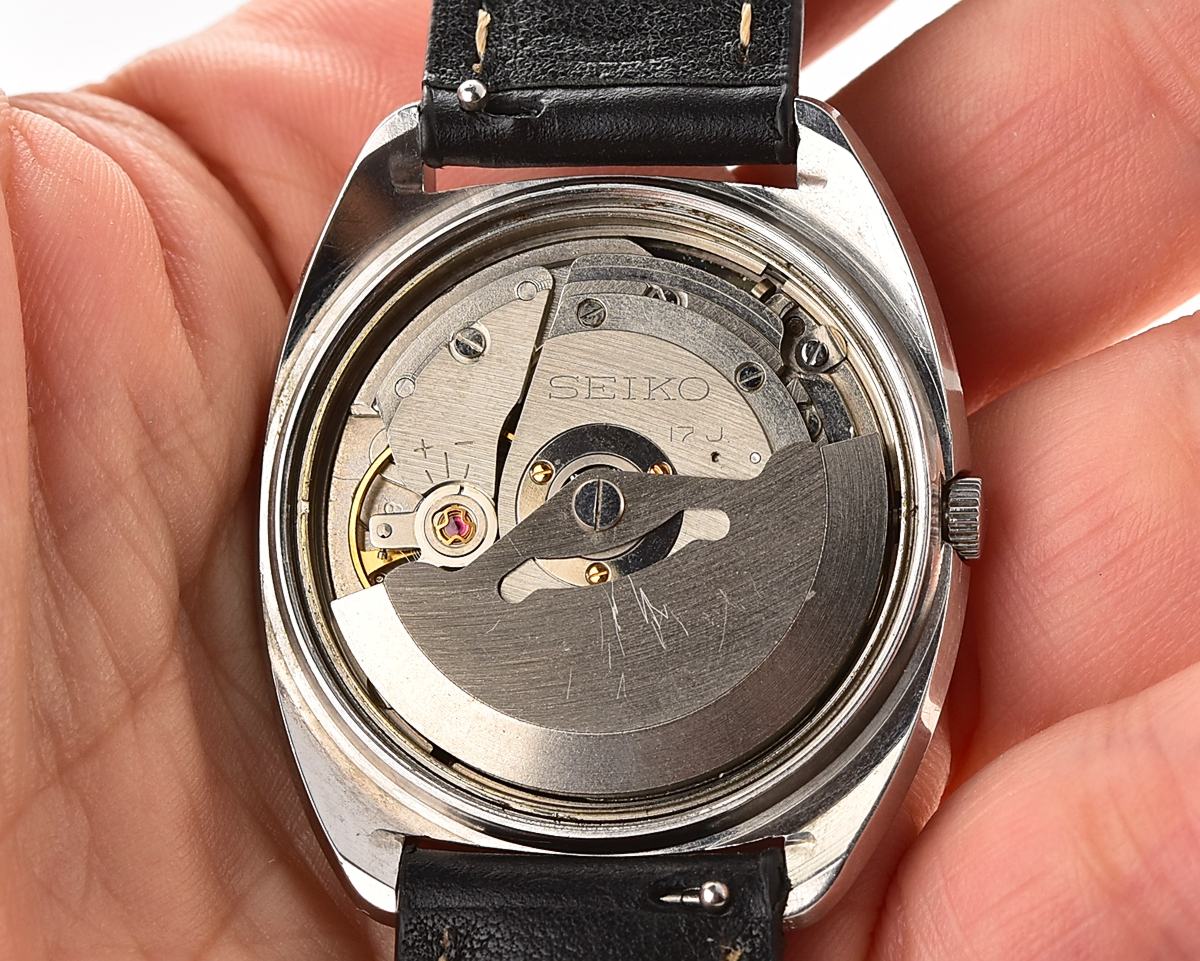
At its core is the Seiko caliber 7625, a 17-jewel automatic movement beating at 18,000 vibrations per hour, with a date display quickset via the crown. It’s an unglamorous, hardworking movement — Seiko built tens of thousands of these through the 1960s specifically because they held up to daily wear with minimal fuss. The rotor visibly winds and engages when the watch is moved, a satisfying bit of mechanical theater every time you glance at the honestly finished movement through the case back.
Iconic Design & Presence
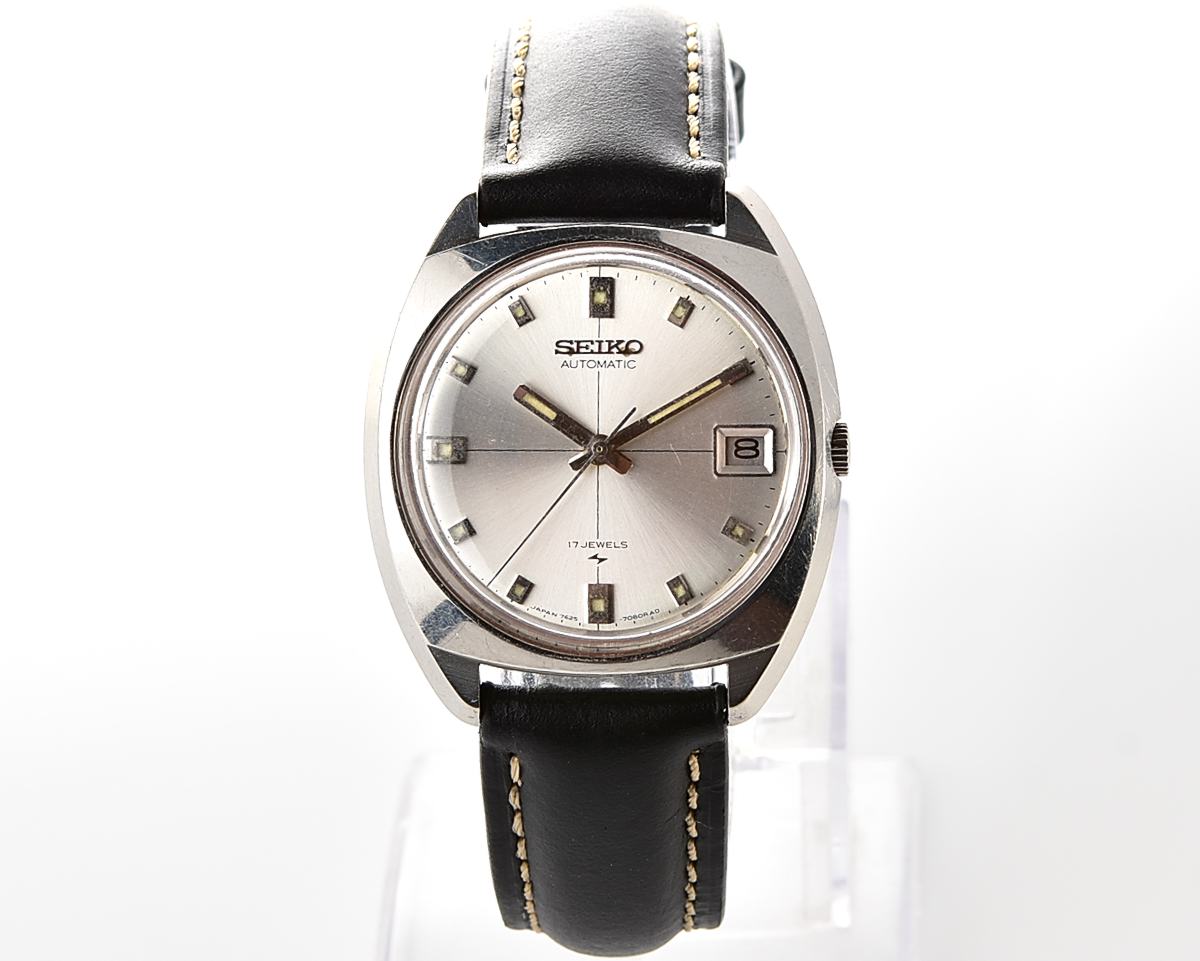
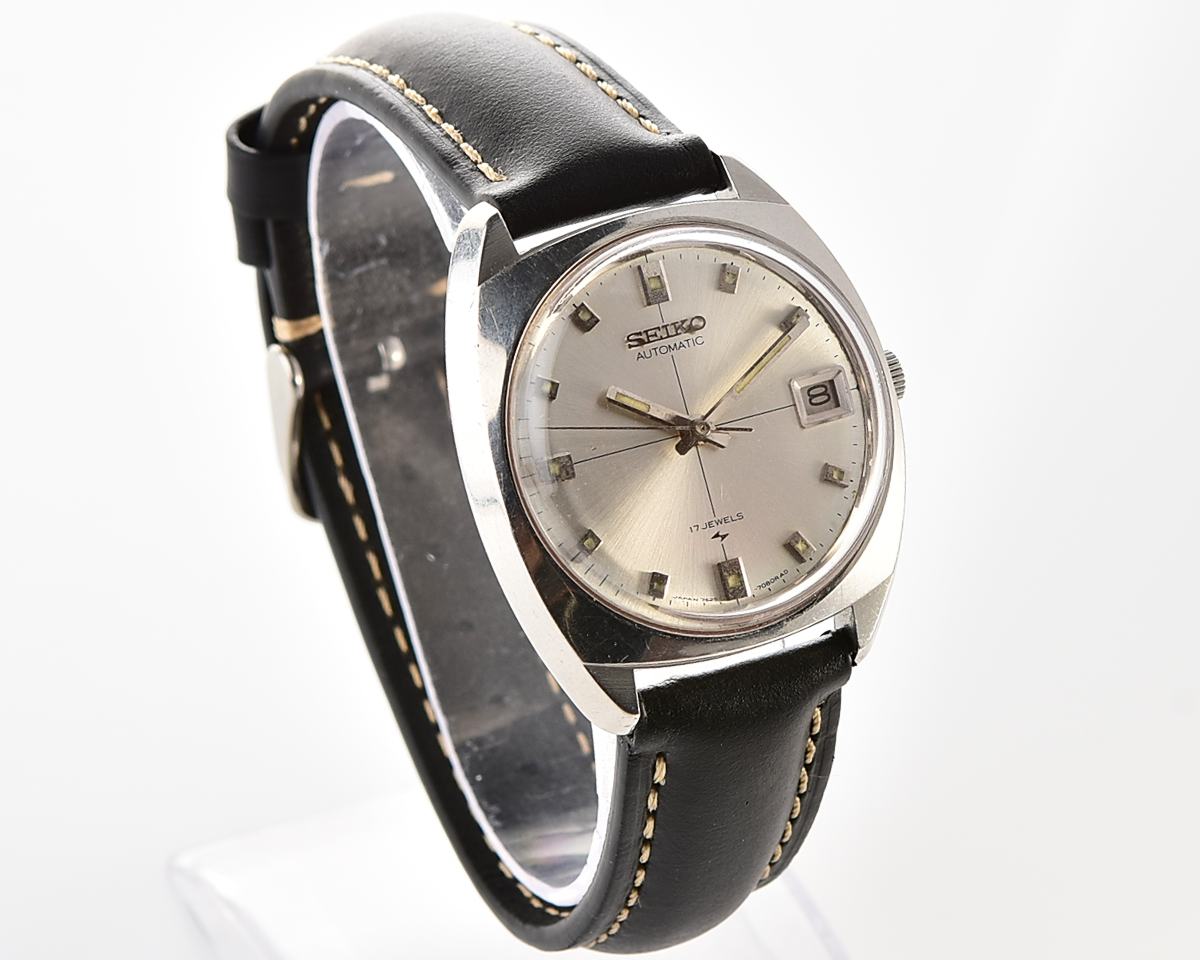
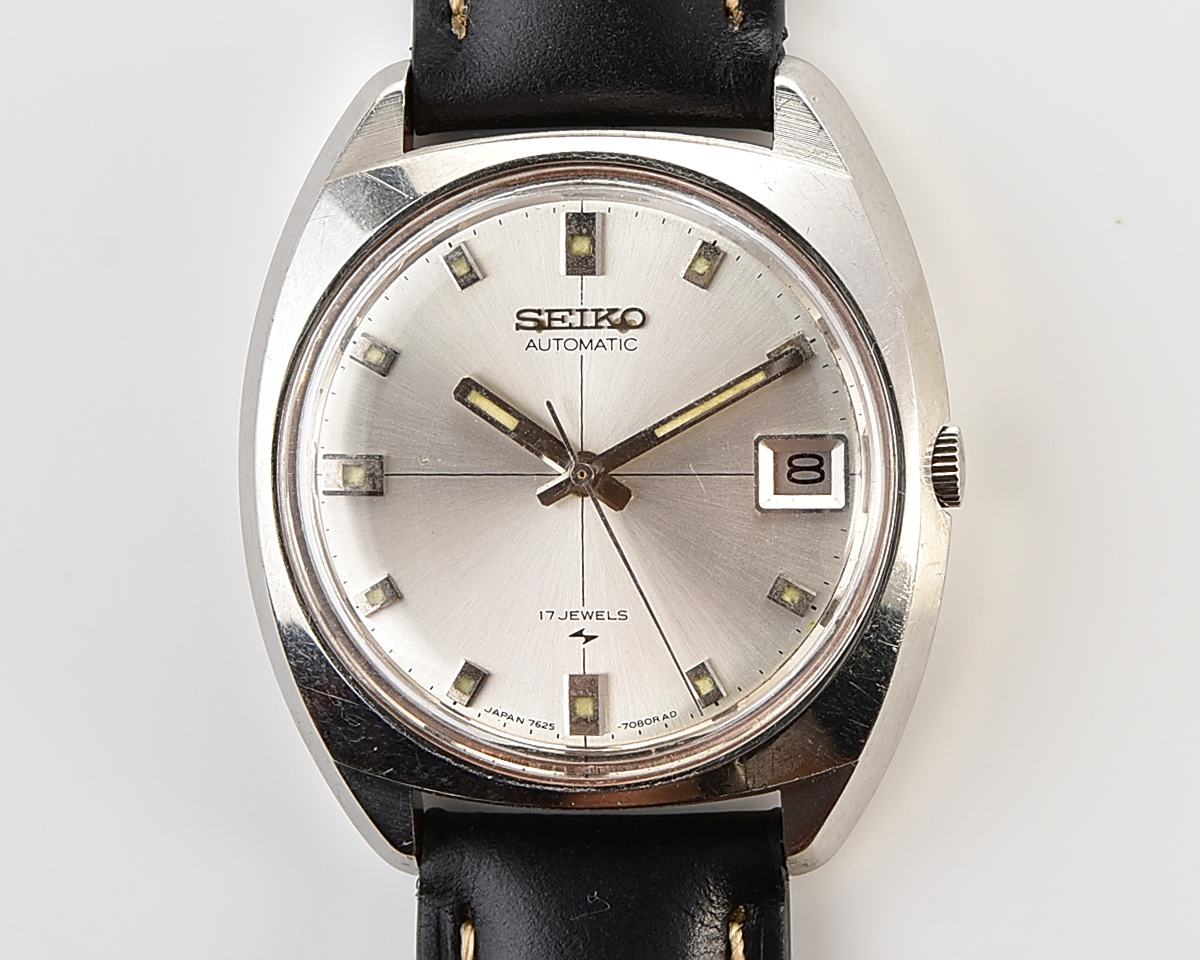
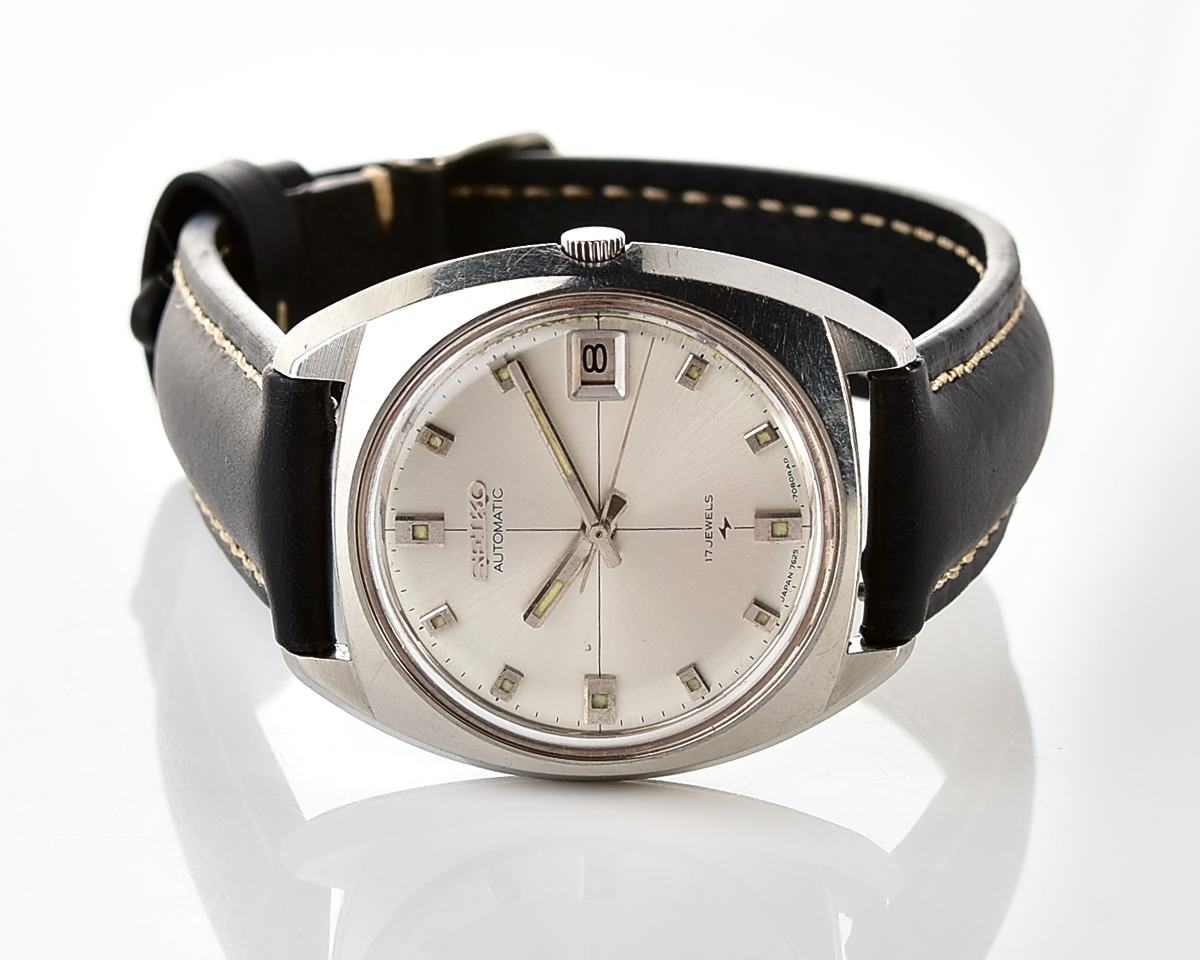
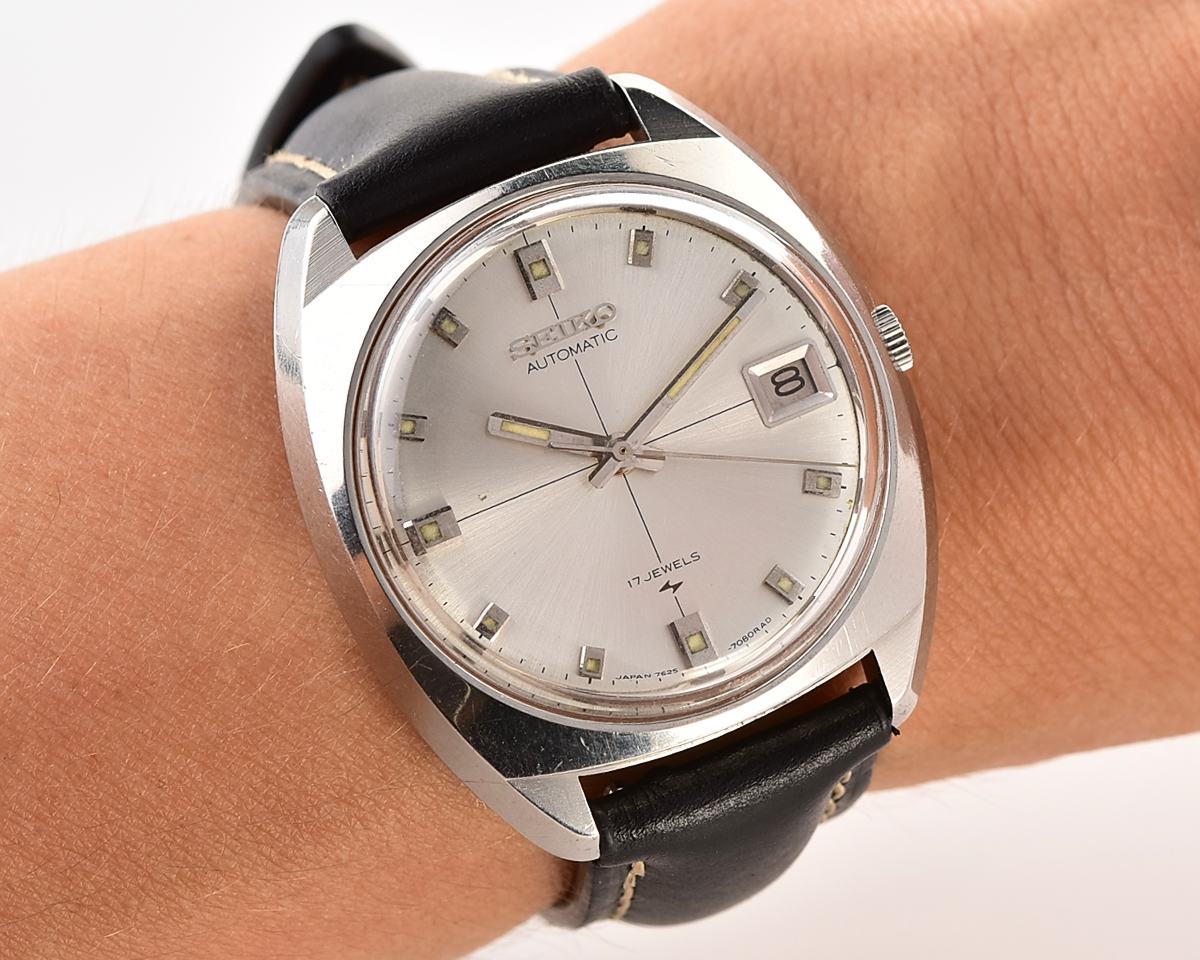
The stainless steel cushion case carries the faceted, multi-angled construction typical of late-’60s Seiko — sharp transitions between facets that catch light differently depending on the angle, giving the case more visual depth than a simple round case would. The silver starburst dial radiates from center, with applied faceted hour markers carrying lume inserts that have aged into a warm, consistent patina. It’s a quiet, confident design — no chronometer branding, no diver pretensions, just a well-proportioned automatic dress watch doing exactly what it was built to do.
Technical Specifications:
- Brand: Seiko
- Model: Sportsmatic
- Reference: 7625-7053
- Movement: 17-Jewel Automatic Cal. 7625
- Manufacture Date: October 1968
- Case Material: Stainless Steel
- Case Diameter: ~35mm (excl. crown), ~39.7mm lug-to-lug
- Lug Width: 18mm
- Dial: Silver starburst with faceted lumed indices
- Calendar: Date only, quickset via crown
- Case Back: Screw-down, signed “Seiko Sportsmatic,” waterproof-marked
- Crystal: Acrylic
Condition Report:
This timepiece is in honest, original vintage condition. The case retains crisp faceted edges with general surface wear and fine handling marks consistent with genuine age and use. The original silver starburst dial is clean with no major blemishes, and the lume on the markers and hands shows natural aging typical for the period. The acrylic crystal is intact with no cracks. The rotor winds and engages visibly and the movement runs.
(Note: As with all vintage watches, water resistance is not guaranteed.)
The watch has been fully serviced by a professional watch tech and keeps good time.
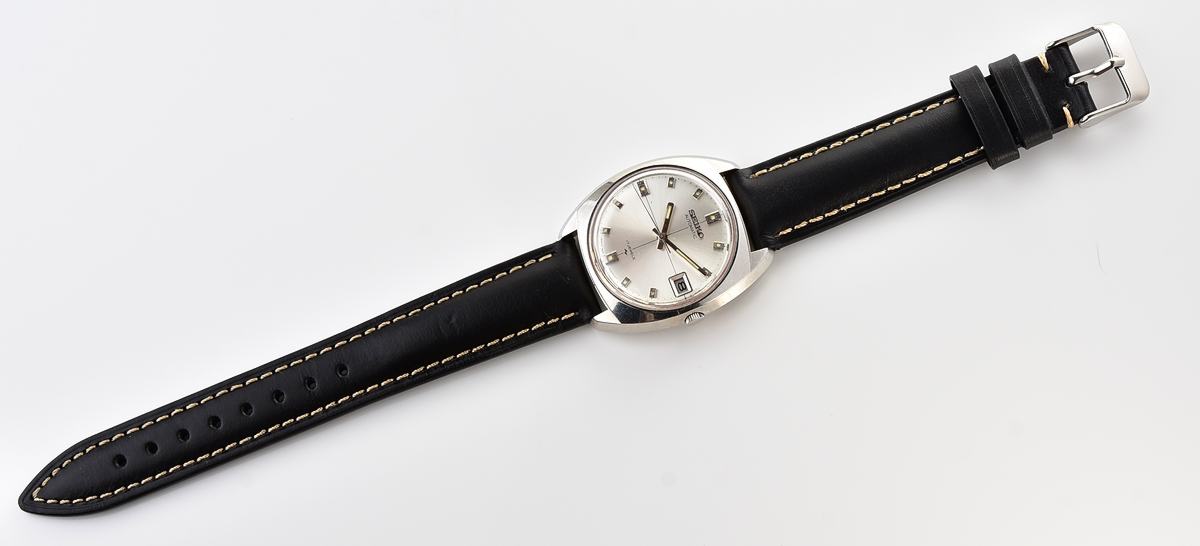
Comes fitted with an aftermarket padded black leather strap.
(*) Note: We recommend adding a new Seiko lug-width-matched leather strap with your order if you’d like additional strap options.
This watch ships from 🇺🇦Ukraine with tracking number
Why Collectors Want This Watch Today
Vintage Seiko automatics have become one of the more active corners of affordable mechanical-watch collecting, and the appeal here is straightforward: the caliber 7625 has a reputation for being genuinely durable, so a 1968 example that still winds and runs today isn’t a fluke — it’s the movement doing what it was designed to do. The cushion case shape is also having a real moment, as collectors increasingly look past round cases for something with more period character. For anyone wanting a wearable mechanical watch with real vintage credentials, without chasing a six-figure Swiss reference, this is the kind of honest, original piece that delivers presence on the wrist at a sane price.
Modes of payment:
PayPal
Credit Cards (VISA, MasterCard, American Express, Discover)
We guarantee that the item in this ad looks and works as advertised and offer money back guarantee on this.
About the watch factory
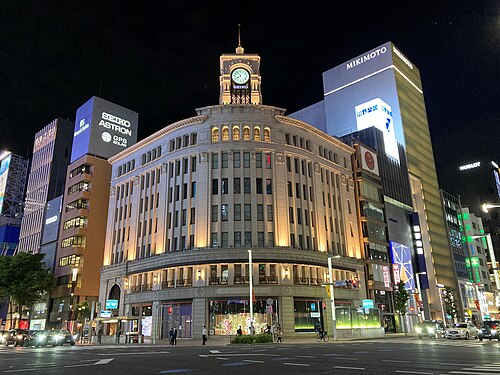
Seiko Group Corporation (セイコーグループ株式会社, Seikō Gurūpu kabushiki gaisha), commonly known as Seiko, is a Japanese maker of watches, clocks, electronic devices, and semiconductors. Founded in 1881 by Kintarō Hattori in Tokyo, Seiko introduced the world’s first commercial quartz wristwatch in 1969.
Seiko is widely known for its wristwatches. Seiko and Rolex are the only two watch companies considered to be vertically integrated. Seiko is able to design and develop all the components of a watch, as well as assemble, adjust, inspect and ship them in-house. Seiko’s mechanical watches consist of approximately 200 parts, and the company has the technology and production facilities to design and manufacture all of these parts internally.
Seiko offers one of the widest ranges of watch technologies in the world—quartz, kinetic, solar, mechanical, and Spring Drive—spanning everything from affordable everyday pieces to six-figure haute horlogerie. Over the decades it has launched multiple global brands, including Lorus, Pulsar, and Alba, while elevating its prestige through innovations like Spring Drive, which helped push Seiko into higher-end territory. In the 2010s, Grand Seiko and Credor were separated into fully independent luxury brands, while Seiko’s own global lineup now includes Grand Seiko, King Seiko, Prospex, Astron, Presage, and Seiko 5 Sports, with Credor remaining primarily Japan-focused.
Among Seiko’s key lines, Seiko 5 (born in 1963) is the gateway mechanical series known for durability and value; Lord Matic defined 1970s style with faceted crystals and colorful dials; Astron remains Seiko’s flagship GPS-solar tech line; Presage focuses on traditional mechanical craftsmanship with enamel and urushi dials; and Prospex delivers professional-grade dive, field, and pilot watches often embraced by enthusiasts. At the top end, Grand Seiko emphasizes precision, Zaratsu polished design, and movements like Spring Drive, while King Seiko—revived in the 2020s—brings back sharp, elegant 1960s styling with modern calibres.
Finally, Credor represents Seiko’s pinnacle of artisanal watchmaking, producing low-volume pieces in precious metals and showcasing Japanese decorative arts and haute complications from the Micro Artist Studio. Beyond watches, Seiko has also produced various electronic devices and, historically, jewelry and eyewear—though those divisions have since shifted to other companies.